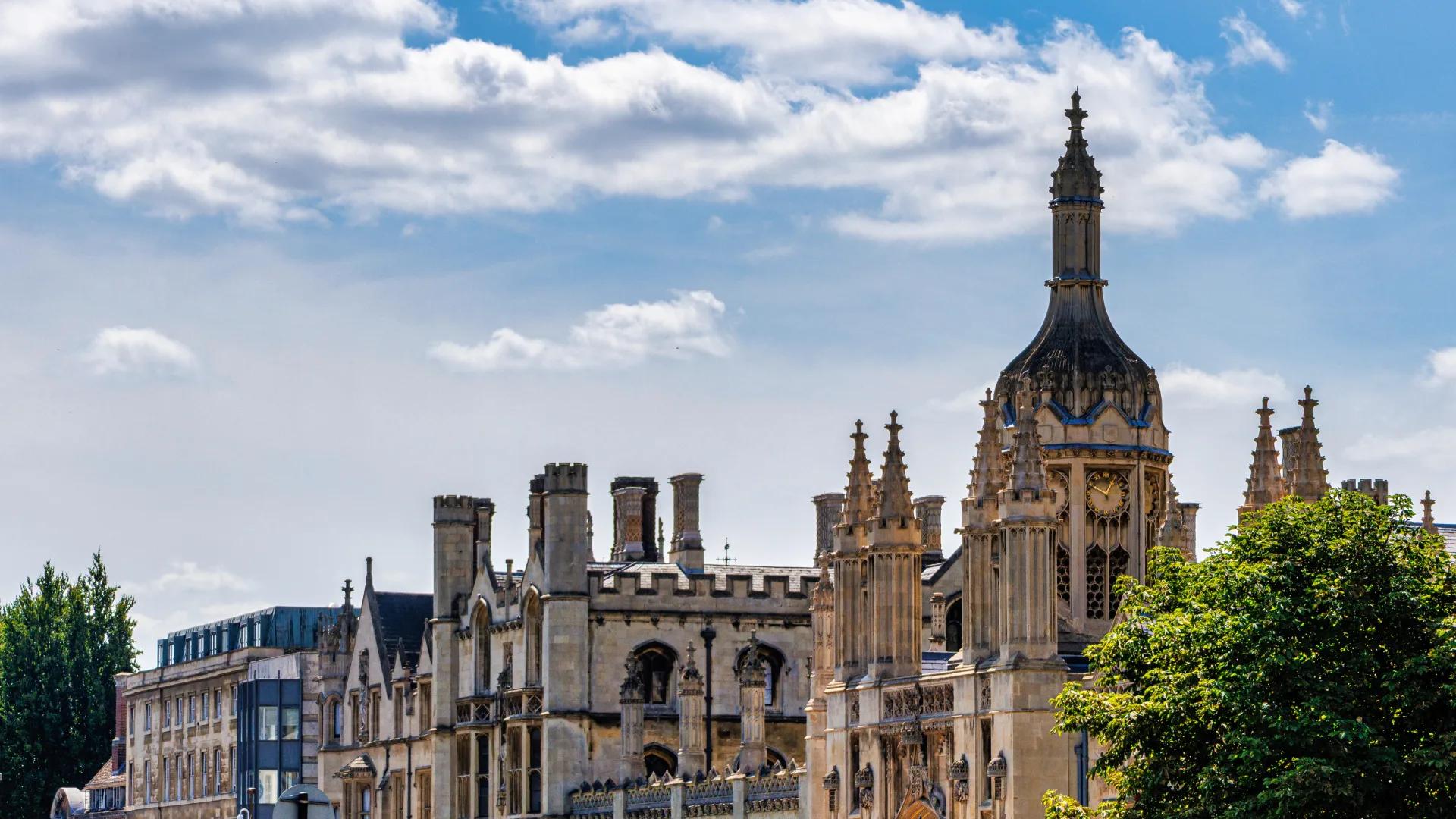
Your Guide to Wageningen University & Research
Wageningen, Netherlands
Wageningen University ranks #1 globally in Agriculture & Forestry, specializing in sustainable food systems, environmental sciences, and nutrition research. A global leader in addressing world food security.
#1
Agriculture & Forestry (QS)
47
Students
€18-20K
Tuition (Non-EU/yr)
1868
Founded
WUR at a Glance
#1 Globally
QS Ranking (Agriculture)
13,000
Student Population
35%
International Students
€18-20K (Non-EU)
Annual Tuition
Wageningen, Netherlands
Location
1868
Founded
1,200+
Faculty
20+
Research Centers

Dr. Karan Gupta's Strategic View
Dr. Karan Gupta's Expert Assessment
Why WUR Is a Strong Choice
World-Leading Agricultural Research
Wageningen's ranking as QS #1 in Agriculture & Forestry reflects decades of pioneering research in sustainable food systems, crop science, and environmental stewardship. The university leads European efforts in precision agriculture, food safety, and climate-resilient farming.
Sustainability & Circular Economy Focus
Unlike traditional universities, Wageningen is built around sustainability principles. Every program emphasizes circular economy models, reducing waste, and creating regenerative agricultural systems. This positioning is crucial for graduates entering the booming sustainability sector.
Global Network in Agribusiness & Development
The university maintains research partnerships across 50+ countries, particularly in developing regions. This global network opens doors for careers in international development, corporate sustainability roles, and impact-driven organizations worldwide.
Wageningen Campus & Facilities
Nestled in the Dutch countryside, Wageningen's 150-hectare campus combines historic academic buildings with state-of-the-art research facilities, experimental farms, and green spaces.
Research Laboratories
Advanced labs for soil science, plant genetics, food microbiology, and environmental analysis.
Experimental Farms
Working farms and greenhouses where students conduct hands-on research and sustainability projects.
Academic Center
Modern library housing 500,000+ volumes with focus on agricultural and environmental sciences.
Student Village
On-campus housing with international student community and cultural exchange programs.
Programs at WUR
MSc Food Technology
Wageningen School of Life Sciences
Combines food science with business sustainability
MSc Plant Sciences
Wageningen School of Life Sciences
Crop genetics, plant breeding, precision agriculture
MSc Soil, Water & Land Management
Wageningen School of Life Sciences
Environmental science and climate resilience
MSc Forest & Nature Conservation
Wageningen School of Life Sciences
Biodiversity protection and ecosystem management
MSc Organic Agriculture
Wageningen School of Life Sciences
Sustainable farming systems and certification
MBA Environmental Systems
Wageningen School of Management
Business strategy for sustainability
MSc Nutrition & Public Health
Wageningen School of Life Sciences
Food security and nutritional epidemiology
MSc International Development
Wageningen School of Social Sciences
Development projects in agriculture-dependent regions
MSc Water Technology
Wageningen School of Engineering
Water purification and management systems
PhD Agricultural Economics
Wageningen Graduate Schools
Research in farm economics and policy
All programs feature field visits to working farms, international research projects, and collaboration with development organizations. Wageningen places strong emphasis on learning-by-doing and real-world problem solving.
Admission Requirements
Admission to Wageningen's Master's programs is competitive but achievable for well-qualified international candidates. The university seeks students with strong academic backgrounds, relevant work experience, and clear motivation.
Wageningen actively recruits talent from developing countries and offers scholarship programs through WOTRO and the scholarship.nl database.
Interview Preparation
What to expect and how to prepare for your WUR interview
Format
Wageningen University uses a matching procedure for bachelor's programs that includes online self-assessment activities and may include a campus visit day. This is non-selective and designed to help students assess their fit. Master's programs are document-based. Some programs may have brief motivation interviews, but formal admissions interviews are not standard.
Duration
Matching activities: 2-3 hours. Motivation conversation (if applicable): 15-20 minutes
Interviewers
Study advisors and program coordinators
Interview Style
Advisory, Motivational, Informal
What WUR Looks For
Sample Interview Questions
What global challenge related to food, environment, or health motivates you most?
Wageningen is mission-driven. Connect your motivation to real-world sustainability or food security challenges.
Describe any hands-on experience you have in science, agriculture, or environmental work.
Even informal experience (gardening, volunteering, science fairs) counts. Show practical curiosity.
How do you feel about working in multidisciplinary teams combining natural and social sciences?
Wageningen's strength is its interdisciplinary approach. Show openness to perspectives beyond your comfort zone.
What do you know about living and studying in Wageningen as a small university town?
Show you've considered the social side. Wageningen is small but has a tight-knit international student community.
Where do you see the biggest opportunity to make a difference in your field?
Be idealistic but grounded. Wageningen produces researchers and professionals who tackle real problems.
Preparation Tips
- Complete all matching activities honestly — they genuinely help you decide if the program fits
- Wageningen's community is small and collaborative — show you value that
- For master's: a strong motivation letter matters more than an interview at Wageningen
- Research Wageningen's unique strengths (it's ranked #1 globally in agriculture and forestry)
Common Mistakes
- Treating matching as a competitive interview — it's designed to help you, not filter you out
- Not understanding Wageningen's niche — it's a specialized research university, not a general one
- Underestimating the importance of the motivation letter for master's applications
What Type of Student Gets In?
Passion for sustainability and environmental impact
Scientific curiosity and strong quantitative skills
Interest in solving global food security challenges
Adaptability and comfort working in multicultural teams
Initiative and ability to work independently
Many applicants assume they need a farm background to study agriculture. Wageningen welcomes chemists, engineers, economists, and social scientists—the program bridges disciplines.
Costs & ROI
Scholarships available through Netherlands Fellowship Programmes (NFP), Erasmus Mundus grants, and university-specific awards for merit and need-based aid.
| Level | Tuition | Living | Total |
|---|---|---|---|
| Master's (Non-EU Students) | €18,000-20,000 | €1,000-1,200/month | €30,000-32,000/year |
| Master's (EU Students) | €2,000-2,500 | €1,000-1,200/month | €14,000-16,000/year |
| PhD | Funded via stipend | €1,000-1,200/month | Tuition covered + stipend |
Salary Ranges
Career & Industry
Unilever
Sustainable sourcing and food innovation partnerships
Nestlé
Food technology and nutrition research collaboration
European Commission
Agricultural policy and sustainability initiatives
World Bank
Development projects in food security and climate
CGIAR
Global agricultural research network
WFP (UN World Food Programme)
Nutrition and food security operations
Wageningen graduates are highly sought by organizations like Unilever, Nestlé, World Bank, FAO, and European agricultural ministries.
Application Timeline
Application
- Prepare documents (CV, transcripts, IELTS/TOEFL)
- Submit application via online portal
- Application deadline varies by program (typically Dec-June)
Evaluation
- Wageningen reviews applications (4-8 weeks)
- Shortlisted candidates may be invited for interview
- Decision notification
Enrollment
- Secure student visa (non-EU)
- Arrange housing via university portal
- Enroll in courses and orientation
Studies
- Attend lectures and practical labs
- Conduct field research and projects
- Thesis or capstone project
- Graduation
Career Launch
- Leverage Wageningen alumni network
- Apply for graduate positions
- Consider PhD or postdoc research
WUR vs Peers
University of Copenhagen
WUR: Stronger in Agriculture & Food Science, More affordable for non-EU students, Larger international student cohort
Other: Broader range of programs, Strong tech & AI research, Slightly higher overall ranking
Compare →Swedish University of Agricultural Sciences
WUR: QS #1 in Agriculture globally, Larger student population, More research centers
Other: Cheaper tuition (Sweden free), Nordic focus, Smaller, more cohesive community
Compare →University of Zurich
WUR: Specialization in sustainability, Lower tuition than Zurich, Practical farm-based learning
Other: Higher overall QS ranking, Stronger in other sciences, Wealthier institution
Compare →WUR Is Right For...
- Professionals passionate about sustainable food systems and agriculture
- Scientists wanting to apply expertise to global challenges
- Career-changers moving into sustainability or food tech
- PhD candidates in agricultural sciences or environmental research
- International development professionals needing agricultural expertise
WUR Is Not Right For...
- Students seeking a large urban university experience (Wageningen is rural)
- Those uninterested in sustainability or practical fieldwork
- Programs requiring on-campus housing year-round (limited availability)
- Career paths outside agriculture/environment sectors
- Students requiring warm-weather climate

Dr. Karan Gupta's Advice
FAQs: WUR for Indian Students
Can I study agriculture at Wageningen without a science background?
Yes! While science backgrounds help, Wageningen accepts students from engineering, economics, and social sciences. The programs are designed to integrate diverse perspectives into agricultural problem-solving.
Is it hard to get a job after Wageningen?
No—Wageningen graduates have excellent employment outcomes (95%+ employed within 6 months). The strong reputation, alumni network, and practical skills make graduates highly competitive for sustainability, food, and development roles globally.
Can international students work in the Netherlands after graduation?
Yes. Graduates receive a 30-month residence permit extension (search year) to find work. Many multinational companies recruit directly from Wageningen, and finding employer sponsorship is typically not difficult.
What makes Wageningen different from other European agricultural universities?
Wageningen's global #1 ranking in Agriculture, strong sustainability focus, and unique farm-based learning environment set it apart. The university is also better integrated with international development and climate policy than competitors.
How is the student life in Wageningen?
Wageningen is a small university town (35,000 students) with a vibrant, international community. Strong student associations, affordable housing, and bicycling culture make it very livable. The main drawback: limited nightlife compared to Amsterdam or Rotterdam.
What scholarships are available?
Main options: NFP (Netherlands Fellowship Programme), Erasmus Mundus grants, Wageningen Fellowship Programme for top applicants, and partner-country-specific schemes. Typically cover tuition + living stipend but are highly competitive.
Related Articles
IMO Olympiad Explained: The Official Pathway in India
Two exams in India are called IMO. Only one is the official pathway to India's International Mathematical Olympiad team.
5 Ways to Get Into an IIM Without CAT
CAT is not the only way into an IIM. Discover five non-CAT routes, from IPMAT and JIPMAT to IIMB's BBA and GMAT/GRE-based MBAs.
The U.S. Government Website Every College Applicant Should Know
College Scorecard is the free U.S. government tool that lets students research college costs, earnings, completion, debt and more.
Related Guides & Resources
Want to Study at WUR?
Get expert guidance from Dr. Karan Gupta: Harvard alumnus, 27+ years of global admissions experience guiding 160,000+ students worldwide.