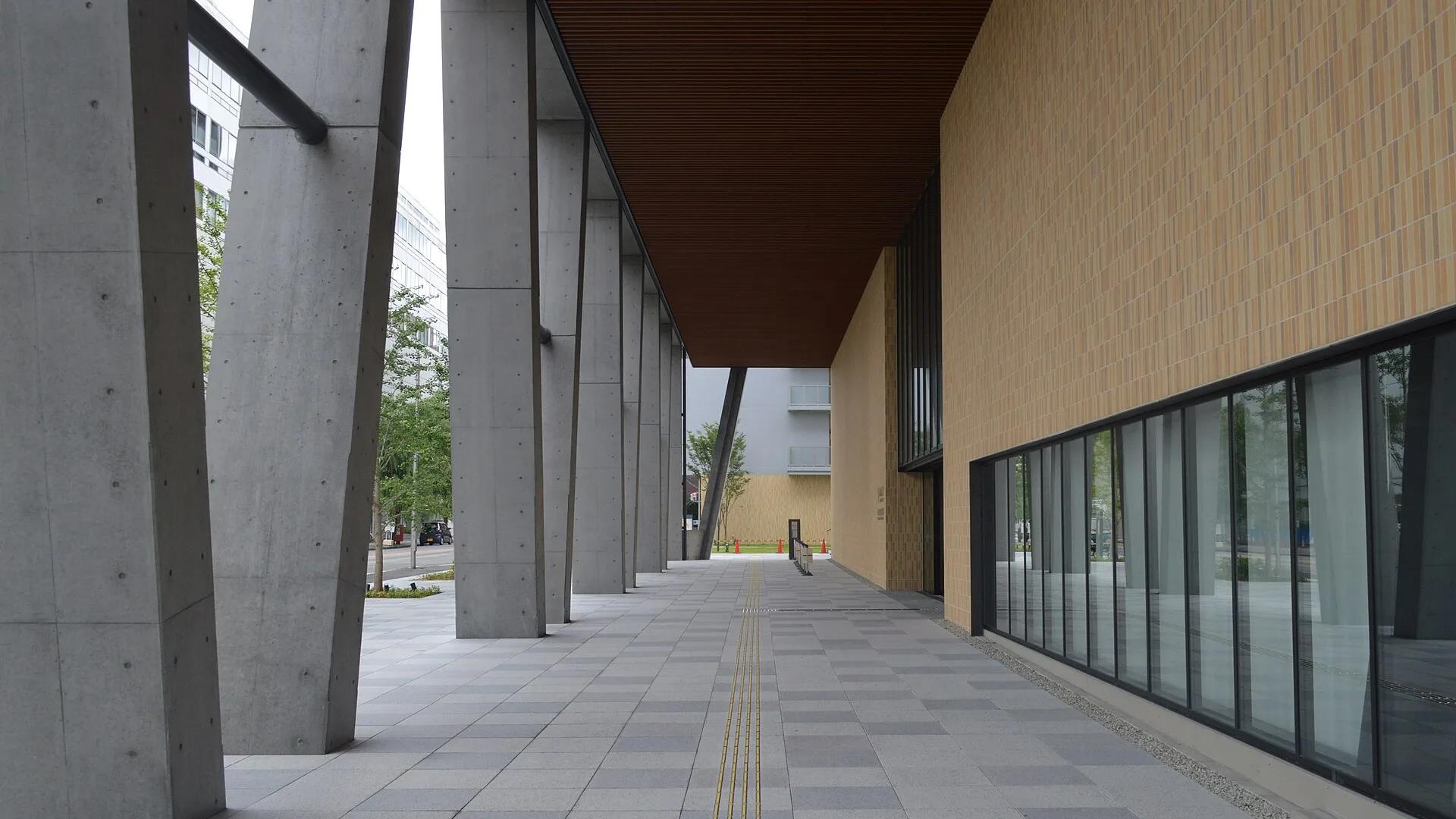
Osaka University
Osaka, Japan
Osaka University is Japan's third-most prestigious institution and one of the seven former Imperial Universities. Known for its practical, applied approach to research, Osaka excels in medicine, engineering, and natural sciences. Located in Japan's second-largest metropolitan area, the university combines world-class research with the energy and affordability of Osaka city — Japan's most liveable major city.
#68
QS World Ranking
1931
Founded
23,000+
Students
#3
In Japan
Osaka at a Glance
#68
QS World Ranking
#3
In Japan
JPY 535K
Annual Tuition
1931
Founded

Dr. Karan Gupta's Strategic View
Why Osaka Is a Strong Choice
The Kansai Advantage — Japan's Industrial Heart
The Kansai region — Osaka, Kyoto, Kobe — is Japan's industrial and pharmaceutical heartland. While Tokyo dominates finance and government, Kansai dominates making things. Panasonic, Sharp, Keyence, Daikin, Murata, Omron, Takeda, Daiichi Sankyo, Shionogi — all headquartered within commuting distance of Osaka University.
For engineering and science students, this concentration of industry means internships and job opportunities that are easier to access than Tokyo's. Kansai companies value Osaka University graduates and recruit from campus events, lab partnerships, and professor recommendations. The alumni network in Kansai is dense and accessible.
The Kansai region is also more affordable, more friendly, and more fun than the Tokyo region. Osaka people are famously outgoing — they will talk to you on the train, laugh at your Japanese mistakes, and invite you for takoyaki. For Indian students adjusting to Japan, Osaka's warmth makes the transition significantly easier.
Medical Research at the Frontier
Osaka University's medical school is one of the top three in Japan. The university led Japan's COVID-19 vaccine research effort, with the AnGes DNA vaccine developed by Osaka researchers. The immunology department has produced research that has shaped global understanding of the immune system.
Osaka University Hospital is a training ground for Japan's best doctors and medical researchers. The hospital handles over 800,000 patient visits annually and offers clinical research opportunities that combine Japanese precision with access to large, diverse patient populations.
For Indian students interested in medical research, Osaka offers English-taught PhD programmes in biomedical sciences with full funding. The combination of clinical access, lab infrastructure, and pharmaceutical industry proximity makes Osaka arguably the best place in Japan for translational medical research — taking discoveries from the lab to the patient.
Osaka City — Japan's Best-Kept Student Secret
Every Japanese person will tell you: Osaka is where you go to eat. The city is Japan's undisputed food capital — from street takoyaki and okonomiyaki to Michelin-starred kaiseki. For Indian students, Osaka also has a growing selection of Indian and vegetarian restaurants, and the city's food culture is more adventurous and affordable than Tokyo's.
Living costs in Osaka are 20-30% lower than Tokyo. A decent apartment near campus costs JPY 40,000-60,000 per month. Eating out is cheap — you can have an excellent meal for JPY 500-800. The city's public transport system is extensive, and many students cycle to campus.
Culturally, Osaka is different from Tokyo. People are more direct, more humorous, and more approachable. The comedy culture is world-famous. For Indian students, who often find Tokyo's formality challenging, Osaka's personality is a better cultural fit. You will make friends faster and feel at home sooner.
Campus & Student Life
Osaka University has three main campuses: Suita (science and engineering), Toyonaka (humanities and social sciences), and Nakanoshima (graduate professional schools in central Osaka). The Suita campus is the largest and most modern, surrounded by parks and residential areas.
Admission Requirements
Osaka values research aptitude and practical problem-solving ability. Like most Japanese national universities, connecting with a potential supervisor before applying is crucial. The university is proactive in recruiting international students through MEXT and its own scholarship programmes.
Osaka's application process is professor-driven. Find a supervisor whose research aligns with yours before applying. Cold applications without faculty support have much lower success rates.
Master's Programs
- MSc Informatics (Computer Science and Robotics)
- MSc Engineering Science
- MSc Biotechnology (Global Course)
- MA International Public Policy (OSIPP)
- MSc Applied Physics
Graduate School of Economics
- MBA-equivalent programmes through OSIPP and Graduate School of Economics
Interview Preparation
What to expect and how to prepare for your Osaka interview
Format
Research presentation and discussion with faculty
Duration
30-45 minutes
Interviewers
Potential supervisor and faculty panel
Interview Style
Technical and research-focused — expect deep questions about your proposed methodology and knowledge of the field
What Osaka Looks For
Sample Interview Questions
Preparation Tips
- Prepare a concise research presentation (5-10 minutes)
- Read the potential supervisor's last 3-5 papers thoroughly
- Demonstrate how your research could have real-world impact
- If applying through MEXT, coordinate your university and embassy applications
Common Mistakes
- Not contacting a potential supervisor before applying
- Proposing theoretical research without practical applications
- Being unfamiliar with the lab's publication record
What Type of Student Gets In?
Practically minded researcher who wants outcomes, not just publications
Comfortable working in a lab-centric academic culture
Interested in Japanese language and culture beyond the superficial
Values affordability and quality of life as part of the decision
Patient and dedicated — Japanese research culture rewards persistence
Indian students overlook Osaka because they have never heard of it. The name recognition issue is real — if you tell an Indian uncle you are going to Osaka University, he will ask if it is good. It is Japan's #3. The mistake is letting brand awareness in India determine where you get your education. Do your own research.
Costs & ROI
Japanese national university tuition is standardised at JPY 535,800/year regardless of programme or nationality. Osaka living costs are 20-30% lower than Tokyo, making it one of the most affordable world-class university cities. With MEXT scholarship, the entire degree is free with a monthly stipend of JPY 144,000.
| Level | Tuition |
|---|---|
| Master's (all programmes) | JPY 535,800/year (~USD 3,600) |
| Enrollment Fee (one-time) | JPY 282,000 (~USD 1,900) |
| Living Costs | JPY 70,000 - 100,000/month (~USD 480-680) |
Salary Ranges
Career & Industry
Panasonic
Panasonic's global headquarters is in Osaka, and the company has deep ties with Osaka University across engineering, materials science, and AI research. Panasonic sponsors labs, funds PhD students, and recruits heavily from the engineering programmes.
Takeda Pharmaceutical
Japan's largest pharmaceutical company is headquartered in Osaka and partners with Osaka University on drug discovery, immunology, and clinical research. The university's medical and biotechnology graduates feed directly into Takeda's research pipeline.
Keyence
The world's most profitable sensors and measurement company is based in Osaka. Keyence recruits Osaka University engineering and physics graduates for its R&D and product development teams, offering some of the highest starting salaries in Japanese industry.
Osaka graduates are well-placed in the Kansai region's industrial ecosystem and across Japan. The university's practical research focus means graduates are immediately productive in industry. Osaka's pharmaceutical and manufacturing sectors are particularly strong employers.
Application Timeline
12-18 Months Before
- Identify target labs at Osaka and read their publications
- Begin MEXT scholarship preparation if applying through embassy route (April deadline)
- Start Japanese language study
9-12 Months Before
- Contact potential supervisors with research summary
- Take TOEFL/IELTS
- Prepare research proposal with supervisor guidance
6-9 Months Before
- Submit formal application to graduate school
- Complete entrance examination if required
3-6 Months Before
- Receive admission and scholarship decisions
- Begin Japanese student visa (CoE) application
1-3 Months Before
- Accept offer and complete enrollment
- Arrange housing — Osaka University International House or private apartments in Suita/Toyonaka
- Prepare for life in Osaka
Arrival
- Attend orientation and complete residence registration at city hall
- Join lab and begin research
- Enroll in free Japanese language courses at Osaka University
Osaka vs Peers
Osaka vs Kyoto University
Osaka: Stronger industry connections in Kansai, more practical research focus, Osaka city is more affordable and livelier, stronger in applied medicine and pharma
Other: Higher global ranking, more Nobel Prizes, stronger fundamental research culture, stronger global brand recognition
Osaka vs University of Tokyo
Osaka: 30% lower living costs, friendlier city culture, stronger pharma industry connections, more accessible campus
Other: Higher ranking, broader programme range, Tokyo location for finance and government, larger international community
Osaka Is Right For...
- Research-oriented students targeting medicine, pharma, or applied engineering
- Those who want quality of life — Osaka is more affordable and liveable than Tokyo
- Students interested in Japan's manufacturing and pharmaceutical sectors
- Applicants seeking MEXT-funded research at a top-3 Japanese university
- Those who prefer a warmer, more sociable culture than Tokyo's formality
Osaka Is Not Right For...
- Students who want the prestige signalling of a Tokyo address
- Those seeking a large English-speaking international community
- Applicants focused on finance or business (Osaka is weaker here than Tokyo)
- Students who need a 1-year professional master's format

Dr. Karan Gupta's Advice
FAQs: Osaka for Indian Students
Is Osaka University good for Indian students?
Osaka is excellent for Indian students targeting research careers in medicine, engineering, or applied sciences. The tuition is the same ultra-low rate as all Japanese national universities (JPY 535,800/year), MEXT scholarships are available, and Osaka's living costs are 20-30% lower than Tokyo. The city is friendlier and more affordable than any other major Japanese university city.
How does Osaka compare to Kyoto University?
Kyoto has higher prestige and more Nobel Prizes. Osaka is more practical and industry-connected. For fundamental research and academic freedom, Kyoto edges ahead. For applied research with direct industry collaboration — especially in pharma, manufacturing, and medicine — Osaka is equally strong or stronger. Osaka city is also more affordable and livelier than Kyoto city.
What are the living costs in Osaka?
Budget JPY 70,000-100,000 per month for rent, food, transport, and daily expenses. University dormitories cost JPY 10,000-30,000 per month. Eating out in Osaka is cheap — excellent street food for JPY 300-500 and full meals for JPY 500-800. Osaka is 20-30% cheaper than Tokyo for comparable living standards.
Can I get the MEXT scholarship for Osaka University?
Yes. The MEXT scholarship is available for Osaka University through both embassy recommendation and university recommendation routes. It covers full tuition, JPY 144,000 monthly stipend, and round-trip airfare. Having a professor at Osaka who supports your application significantly improves your chances. Indian students have a strong track record of securing MEXT for Osaka.
Related Articles
Wall Street Internships: What Matters More Than Your College Name
A Wall Street job isn't guaranteed by an Ivy League degree. Here's how students from any college can compete for elite finance internships.
Common Data Set: What Harvard and Top U.S. Colleges Really Consider
The Common Data Set reveals what U.S. colleges say matters in admissions—and what they say does not.
Your College Scholarship Isn’t Always Final: How to Ask for More
A three-paragraph scholarship appeal email can sometimes unlock more college aid. Learn when to negotiate, what to say, and when an appeal can backfire.
Related Guides & Resources
Want to Study at Osaka?
Get expert guidance from Dr. Karan Gupta: Harvard alumnus, 27+ years of global admissions experience guiding 160,000+ students worldwide.