Your Guide to University of Cape Town: Africa's Premier Institution
Cape Town, South Africa
University of Cape Town is Africa's leading institution with QS #171 global ranking. The Graduate School of Business (GSB) is ranked among top business schools globally. Offering MBA, MSc Finance, Data Science, and specialized programs with access to Africa's 1.3 billion person market and emerging economy dynamics. Tuition is remarkably affordable (ZAR 80-200K or ~$4,400-11,000 annually) while delivering world-class education.
#171
QS Ranking
#1
Africa Ranking
ZAR 150-200K
Annual Cost (~$8-11K)
Africa
Gateway
UCT at a Glance
#171
QS World Ranking
#1
Africa Ranking
ZAR 80-200K
Annual Tuition (~$4-11K)
Cape Town
World's Most Beautiful City
7
Master's Programs
English
Program Language
Free
Visa for Some

Dr. Karan Gupta's Strategic View
Dr. Karan Gupta's Expert Assessment
Why UCT Is a Strong Choice
Africa's #1 University with Global Rankings at Exceptional Cost (ZAR 80-200K/year)
University of Cape Town is Africa's preeminent institution with world-class faculty, research output, and networks. Yet tuition is remarkably affordable at ZAR 80-200K annually (~$4,400-11,000), roughly 1/10th of equivalent Western programs. For African/emerging market focused careers, UCT provides elite education at fraction of cost of Western alternatives while delivering superior continental access and market understanding.
Africa's 1.3 Billion Person Market with Fastest Growth Rates
Africa represents 17% of world's population with 60% median age below 25 and fastest growth rates globally. Emerging sectors (fintech, e-commerce, renewable energy, mobile technology) are creating enormous opportunities. Unlike Western schools teaching Africa theoretically, UCT students directly engage with African entrepreneurs, multinational corporations operating continentally, and development finance institutions. This real-time market exposure is invaluable for professionals seeking first-mover advantage in African expansion.
Cape Town: World's Most Beautiful City with Exceptional Quality of Life
Cape Town is consistently ranked world's best city for quality of life, natural beauty, safety, and culture. Combined with affordable cost of living (ZAR 15-25K monthly or ~$800-1,350), the lifestyle value is exceptional. The combination of world-class education, continental access, and personal quality of life makes UCT distinctive among global MBA options.
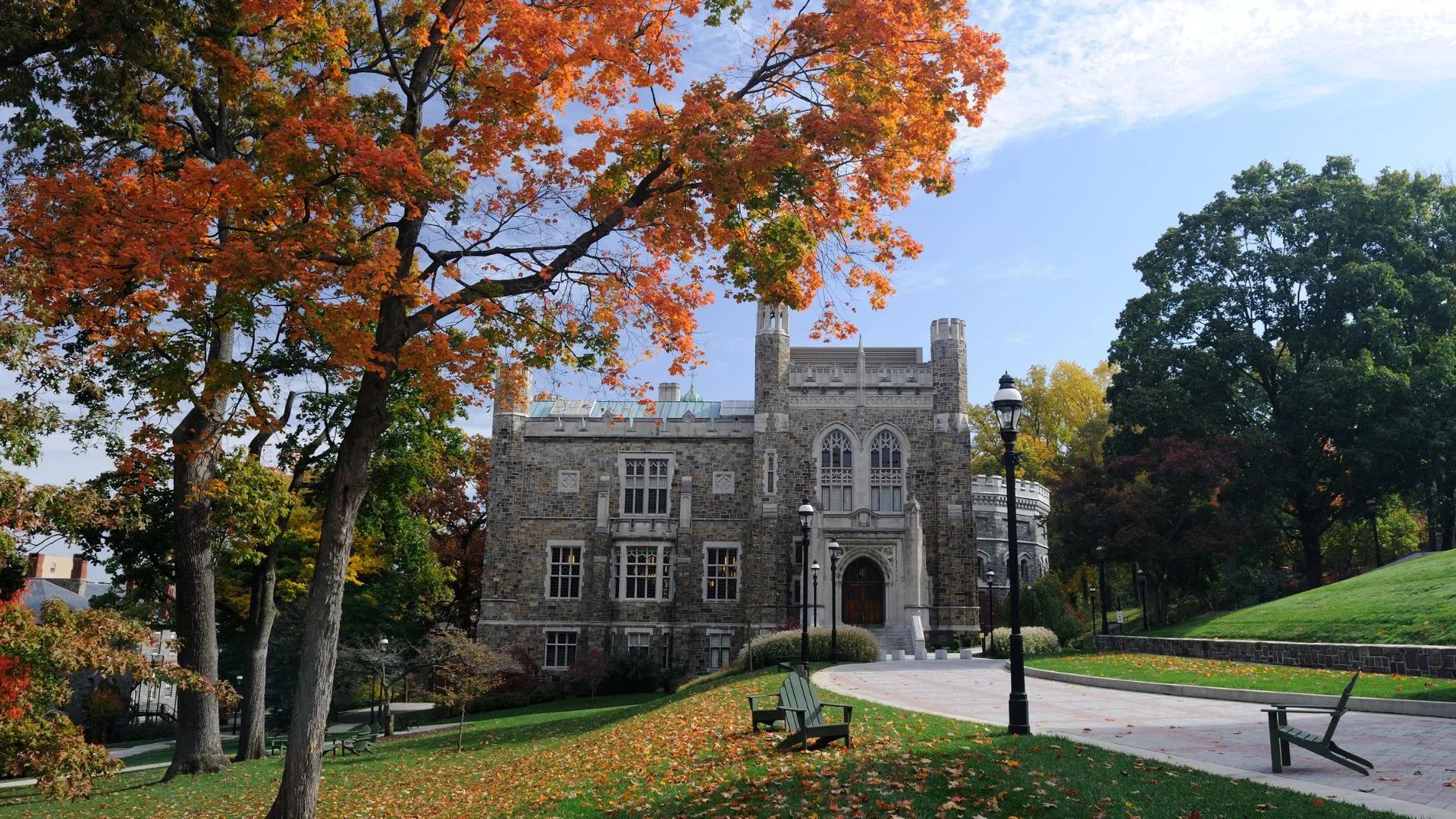
University of Cape Town: Africa's Premier Campus
UCT's main campus is located on slopes of Table Mountain with views of Cape Town, surrounded by research facilities and overlooking the Atlantic Ocean. Multiple campuses serve different academic departments.
Iconic Table Mountain Campus
Historic campus on Table Mountain slopes with modern research facilities and iconic natural setting
State-of-the-Art GSB Facilities
Modern business school facilities with dedicated executive education and innovation labs
International Student Body
Diverse international students from across Africa, Europe, and Asia
Cape Town Integration
Integrated into Cape Town's business, tech, and cultural ecosystem
African Market Access
Direct connections to African entrepreneurs, multinational corporations, and development finance
Programs at UCT
MBA (GSB)
Graduate School of Business
Comprehensive MBA with African market focus and global perspective
MSc Finance
Graduate School of Business
Corporate and development finance with emerging market emphasis
MSc Management
Graduate School of Business
Strategic management with African corporate governance focus
MSc Data Science
Faculty of Engineering
Advanced analytics with emerging market applications
MSc Computer Science
Faculty of Engineering
Computer science with tech innovation in emerging markets focus
LLM (Master of Laws)
Faculty of Law
International and development law with African legal systems
MPhil Development Finance
Graduate School of Business
Specialized development finance for emerging market development
MCom Economics
Faculty of Commerce
Advanced economics with emerging market and development focus
All programs taught in English. MBA and master's programs 2 years full-time. Tuition ZAR 80-200K/year (~$4,400-11,000) depending on program.
Admission Requirements
UCT GSB MBA is selective (25-35% acceptance). GMAT 650+ typical; 3+ years work experience required. English instruction; English proficiency demonstrated by education or TOEFL/IELTS.
UCT MBA is competitive but affordable. Tuition ZAR 80-200K/year (~$4-11K) is exceptional for world-class African institution. South African rand weakness makes tuition very affordable for non-ZAR earners. International students may qualify for study permits with no visa fees.
Interview Preparation
What to expect and how to prepare for your UCT interview
Format
UCT does not typically interview for most undergraduate programs. Select professional programs (medicine, MBA at GSB, architecture, performing arts) and some competitive master's programs conduct interviews or portfolio reviews.
Duration
20-30 minutes (professional programs)
Interviewers
Faculty panel, admissions committee, or program-specific assessors
Interview Style
Academic and socially conscious — reflecting UCT's commitment to transformation and African scholarship
What UCT Looks For
Sample Interview Questions
How does your proposed research or study connect to challenges facing Africa?
UCT positions itself as Africa's leading research university. Show genuine engagement with African issues, not just global ones.
Why UCT specifically for your studies?
Reference UCT's specific programs, the Cape Town setting, and its role as a bridge between Africa and the world.
How do you think about the role of education in social transformation?
UCT has undergone significant transformation post-apartheid. Show awareness and sensitivity to this ongoing process.
Describe a research or professional experience that shaped your academic direction.
Show depth of engagement and how your experience connects to your proposed studies at UCT.
How would you contribute to UCT's diverse academic community?
UCT values diversity in all forms. Share your unique perspective and what you would bring.
Preparation Tips
- UCT is the highest-ranked university in Africa — understand its continental leadership role
- The Graduate School of Business (GSB) in the V&A Waterfront is one of Africa's top business schools
- Cape Town offers a unique living and studying environment — the mountain-campus setting is iconic
- UCT's Afropolitan vision means connecting African scholarship to global conversations — align with this
Common Mistakes
- Applying to UCT without understanding South Africa's transformation context and its impact on higher education
- Not demonstrating genuine interest in African issues and scholarship
- Being unaware of UCT's specific research strengths and how they serve the African continent
What Type of Student Gets In?
Interest in African markets and emerging economy dynamics
Strategic thinking about continental expansion
Entrepreneurial mindset with emerging market focus
Cultural adaptability and openness to African business practices
Long-term commitment to African development or commerce
Interest in sustainable development and impact investing
Professionals overlook African institutions assuming emerging market schools are inherently lower quality. UCT is QS #171 globally, comparable to many US state schools, with MBA teaching equivalent to Western programs. For African-focused careers, UCT is unquestionably superior to Western schools in market knowledge and networks.
Costs & ROI
University of Cape Town offers exceptional cost structure—ZAR 160-400K total MBA cost (~$8-22K) is among world's most affordable for elite institution. Combined with Cape Town's low living costs (ZAR 15-25K monthly or ~$800-1,350), total 2-year cost is $28-54K including living expenses. South African rand weakness makes programs even more affordable for non-ZAR earners.
| Level | Tuition | Living | Total |
|---|---|---|---|
| Annual Tuition (MBA/Master's) | ZAR 80-200K (~$4-11K) | ZAR 180-300K (~$10-16K) | ZAR 260-500K (~$14-27K) |
| 2-Year Program Total | ZAR 160-400K (~$8-22K) | ZAR 360-600K (~$20-32K) | ZAR 520-1M (~$28-54K) |
Salary Ranges
Career & Industry
South African Banks (ABSA, FirstRand, Nedbank)
Major banks recruiting MBA/finance graduates for corporate and investment banking roles
Multinational Corporations (Unilever, Nestlé, Procter & Gamble)
Global companies with African operations recruiting for strategy, operations, and finance roles
African Conglomerates (Naspers, Shoprite)
Pan-African companies recruiting for strategic and expansion roles across continent
Development Finance Institutions (IFC, AfDB)
International development finance organizations recruiting for emerging market investment roles
Consulting Firms (McKinsey, BCG, Deloitte South Africa)
Global consulting firms with South African offices recruiting for African market consulting
Tech & Startup Ecosystem
South African and African startups recruiting for product, strategy, and finance roles
South African graduate salaries are solid (ZAR 600K-1.5M or $32-81K) with cost of living favorable for this income. Many graduates pursue entrepreneurship leveraging African market access. Multinational corporations with African operations actively recruit for regional roles (higher salaries in hard currency).
Application Timeline
Application & Admission
- Prepare GMAT (650+)
- Develop application with African market focus
- Submit via GSB portal (deadlines vary)
- Attend interview
- Confirm admission and visa planning
Visa & Pre-Arrival
- Apply for study permit (South African immigration)
- Secure accommodation in Cape Town
- Register with university and get residence
- Open bank account
- Attend orientation program
First Year: Foundation & African Immersion
- Complete core MBA courses
- Participate in company visits and industry networking
- Explore South African and broader African markets
- Join student organizations and professional groups
- Identify internship/consulting opportunities
Second Year: Specialization & Career Launch
- Complete specialization electives
- Execute internship or consulting project
- Develop thesis or capstone on African market
- Network with employers and development organizations
- Secure employment or entrepreneurial opportunities
Post-Graduation
- Complete degree and graduate
- Secure work permit if employed in South Africa
- Leverage UCT network across African continent
- Begin career in multinational, local company, or entrepreneur path
- Contribute to African development objectives
UCT vs Peers
University of Witwatersrand
UCT: UCT ranks #171 vs Wits #401, stronger international prestige, better MBA ranking, Cape Town location
Other: Wits is in Johannesburg (economic hub), strong engineering programs
Compare →Stellenbosch University
UCT: UCT ranks higher, stronger business school, better international recognition, more diverse
Other: Stellenbosch has strong engineering, wine industry connections, beautiful campus
Compare →INSEAD or Western MBA
UCT: UCT costs ZAR 160-400K ($8-22K) vs INSEAD €120K+, delivers superior African market insight and access
Other: INSEAD ranks higher globally, stronger Western brand, more international mobility
Compare →UCT Is Right For...
- Professionals with 10-year African continent strategy
- Finance and development specialists interested in emerging markets
- Entrepreneurs seeking African market expansion
- Those interested in development finance and impact investing
- Candidates valuing quality of life alongside education
- Cost-conscious professionals seeking elite education (ZAR 160-400K total)
UCT Is Not Right For...
- Those primarily focused on Western markets (African advantage is continent-specific)
- Candidates uncomfortable with emerging market business practices
- Students requiring maximum Western brand recognition
- Those unable to secure South African study permit
- Individuals uncomfortable with African geography and political environment

Dr. Karan Gupta's Advice
FAQs: UCT for Indian Students
Is University of Cape Town recognized globally?
Yes, UCT is QS #171 globally and Africa's #1 institution. The MBA is recognized by international employers, consulting firms, and multinational corporations. However, Western brand recognition is lower than Harvard or Stanford. For African-focused careers, UCT's reputation is unmatched by Western schools.
What is the cost of living in Cape Town?
Cape Town is very affordable with student budgets of ZAR 15-25K monthly (~$800-1,350). Rent ranges ZAR 5-10K, food ZAR 5-8K, transportation ZAR 1-2K, entertainment ZAR 3-5K. Student housing through university is particularly affordable at ZAR 4-7K monthly.
Can I work after studying at UCT?
Yes, graduates can secure post-study work permits if employed by South African companies. Many pursue multinational assignments (higher salaries in hard currency). Others start African ventures leveraging continental networks developed during studies.
Related Articles
IMO Olympiad Explained: The Official Pathway in India
Two exams in India are called IMO. Only one is the official pathway to India's International Mathematical Olympiad team.
5 Ways to Get Into an IIM Without CAT
CAT is not the only way into an IIM. Discover five non-CAT routes, from IPMAT and JIPMAT to IIMB's BBA and GMAT/GRE-based MBAs.
The U.S. Government Website Every College Applicant Should Know
College Scorecard is the free U.S. government tool that lets students research college costs, earnings, completion, debt and more.
Explore More
Want to Study at UCT?
Get expert guidance from Dr. Karan Gupta: Harvard alumnus, 27+ years of global admissions experience guiding 160,000+ students worldwide.