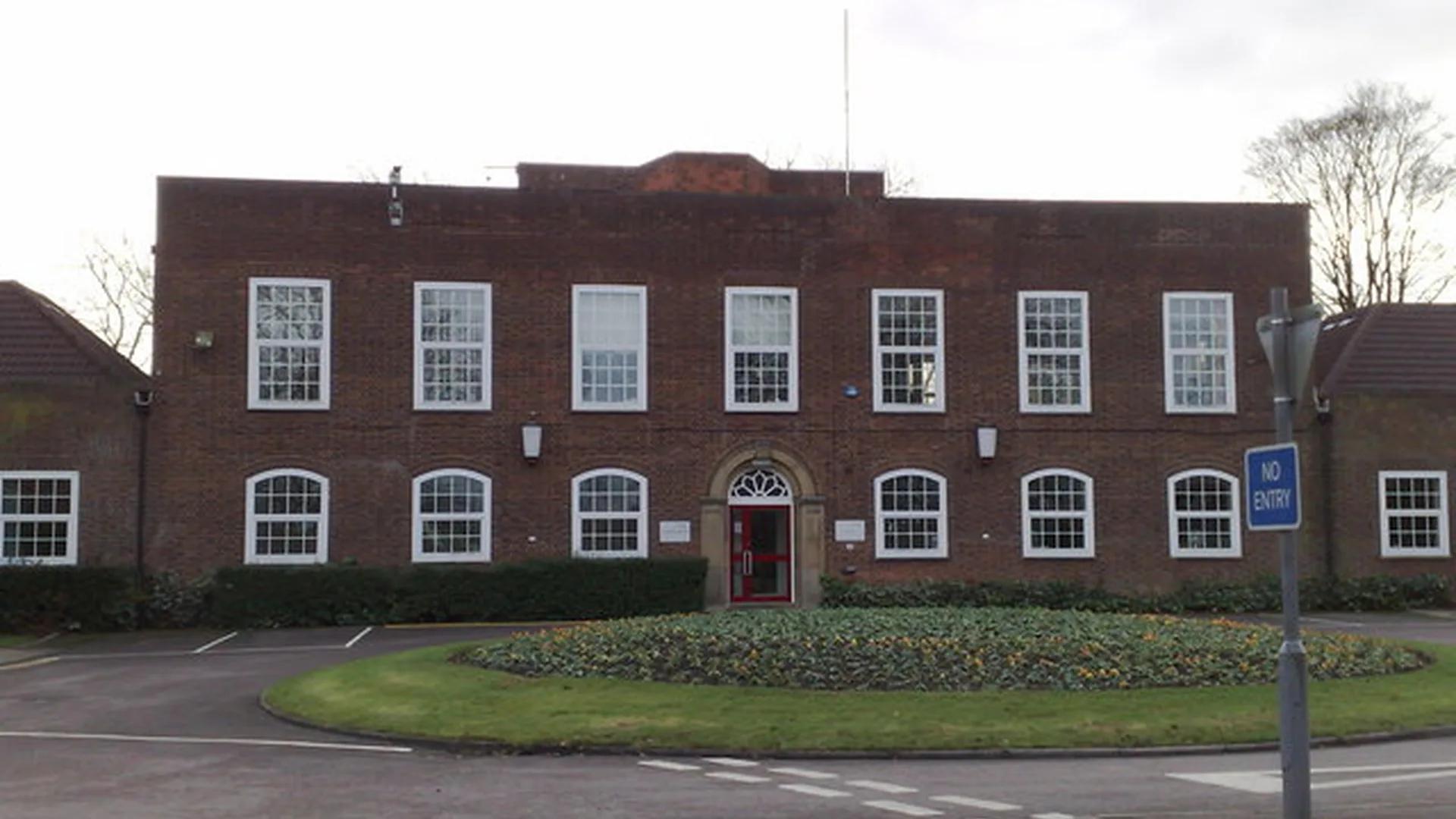
Cranfield University
Cranfield, Bedfordshire, England
Cranfield University is the UK's only exclusively postgraduate university, specialising in aerospace, defence, management, and manufacturing. With its own airport, wind tunnels, and close links to industry, Cranfield produces graduates for roles most universities cannot train for.
100%
Postgraduate
Top 5
Aerospace (UK)
1946
Founded
5,500+
Students
Cranfield at a Glance
100%
Postgraduate Students
Top 10 UK
MBA (FT Ranking)
53%
International Students
1946
Founded

Dr. Karan Gupta's Strategic View
Why Cranfield Is a Strong Choice
A University With Its Own Airport
Cranfield is the only university in Europe that owns and operates its own airport and flight test fleet. Aerospace students do not just study aerodynamics in a classroom; they test aircraft, run flight experiments, and use wind tunnels that aerospace companies pay to access.
This practical, hands-on approach extends across all Cranfield programs. MSc theses are typically based on real industry problems provided by partner companies. Students work on projects that their future employers actually need solved, which is why Cranfield graduates hit the ground running in ways that graduates from more theoretical programs often cannot.
For Indian students who want to work in aerospace, Cranfield's facilities and industry connections provide a training environment that is genuinely unique in European higher education.
The Cranfield MBA: Practical and Elite
The Cranfield MBA is ranked in the Financial Times top 10 in the UK and is triple-accredited (AACSB, AMBA, EQUIS). What distinguishes it from competitor MBAs is the emphasis on practical leadership, real consulting projects, and a cohort of experienced professionals rather than fresh graduates.
The MBA requires at least three years of work experience, which means every student in the room has managed teams, handled budgets, and navigated real business challenges. This makes classroom discussions richer and the network more valuable than at programs that accept students straight from university.
For Indian professionals with 3-5 years of experience who want an MBA that is respected by UK employers and priced lower than London Business School or Oxford Said, Cranfield offers outstanding value and career outcomes.
Industry-First Education Model
Cranfield's entire educational model is built around industry needs. Advisory boards of senior industry professionals shape every program's curriculum. Companies sponsor research projects, provide guest lecturers, and recruit directly from graduation cohorts.
This is not a university where you study theory for a year and then figure out how to apply it. From day one, the curriculum is designed around what employers need graduates to know and be able to do. The Manufacturing Technology Centre (MTC), a partner institution, exemplifies this approach with its focus on industry-ready manufacturing research.
For Indian students targeting specific career paths in aerospace, defence, manufacturing, or environmental management, Cranfield's industry-first model means you graduate with both the knowledge and the professional network to begin your career immediately.
Campus & Student Life
Cranfield's campus is set in the Bedfordshire countryside between Bedford and Milton Keynes. The campus includes an airport, research facilities, accommodation, and a close-knit postgraduate community. It is quiet and focused, not a typical university town.
Admission Requirements
Cranfield typically requires a first-class or strong upper-second-class honours degree for MSc programs. The MBA requires at least three years of work experience. As a postgraduate-only institution, the admissions process is focused and industry-aware.
Cranfield does not appear in most university rankings because it has no undergraduates. Do not let the absence of a QS or Times ranking fool you. In aerospace, defence, and management, Cranfield's reputation with employers is elite.
Master's Programs
- MSc Aerospace Vehicle Design
- MSc Astronautics & Space Engineering
- MSc Manufacturing Technology & Management
- MSc Defence & Security
- MSc Water & Wastewater Engineering
MBA Program
- Cranfield MBA (Full-time, 1 year)
- Executive MBA (Part-time, 2 years)
Interview Preparation
What to expect and how to prepare for your Cranfield interview
Format
MBA: structured interview (in-person or virtual). MSc: not always required.
Duration
30-45 minutes (MBA)
Interviewers
MBA admissions panel or senior faculty
Interview Style
Professional and career-focused; assessing leadership potential and fit
What Cranfield Looks For
Sample Interview Questions
Preparation Tips
- Research Cranfield's industry partnerships specific to your field
- For MBA: articulate a clear pre- and post-MBA career narrative
- For aerospace: mention specific facilities (airport, wind tunnels)
- Demonstrate awareness of Cranfield's practical, industry-led teaching model
Common Mistakes
- Not understanding that Cranfield is postgraduate-only and industry-focused
- Applying without relevant work experience for the MBA
- Expecting a traditional university campus experience
What Type of Student Gets In?
Career-focused with specific industry goals
Mature and professional (MBA requires 3+ years work experience)
Comfortable in a small, intensive academic environment
Drawn to practical, industry-connected education
Values specialist expertise over generalist breadth
Indian applicants often overlook Cranfield because it does not appear in QS or Times Higher Education rankings (these rankings exclude postgraduate-only institutions). This is a fundamental misunderstanding. Cranfield's absence from rankings reflects a structural exclusion, not a quality issue. In aerospace and defence, Cranfield's reputation with employers is on par with Imperial and Cambridge.
Costs & ROI
Cranfield is located in a rural area with lower living costs than London or other major UK cities. The university offers a range of scholarships for international students, including the Cranfield Scholarship which can cover up to 60% of tuition for exceptional candidates.
| Level | Tuition |
|---|---|
| MSc (International) | ~£26,000 - £32,000 |
| MBA | ~£42,000 |
| PhD | ~£20,000/year |
| Living Costs | ~£10,000/year |
Salary Ranges
Career & Industry
Airbus
Airbus is one of Cranfield's closest industry partners, collaborating on aerospace research, offering placements for MSc students, and recruiting graduates into engineering and management roles across European operations.
Rolls-Royce
Rolls-Royce has a deep, multi-decade partnership with Cranfield spanning propulsion research, manufacturing technology, and executive education. Many Rolls-Royce engineers hold Cranfield MSc degrees.
BAE Systems
BAE Systems partners with Cranfield Defence and Security on research in military technology, cybersecurity, and autonomous systems. The company sponsors students and recruits directly from the defence programs.
Cranfield graduates are in high demand in aerospace, defence, manufacturing, and management. The university's industry connections translate directly into employment, and the small cohort sizes mean personalised career support.
Application Timeline
12-18 Months Before
- Research Cranfield's postgraduate programs and industry partnerships
- Assess whether you meet the work experience requirement (MBA)
- Identify funding options and scholarships
9-12 Months Before
- Draft personal statement with clear career goals
- Arrange professional and academic references
- Prepare GMAT if applying for MBA
6-9 Months Before
- Submit application (rolling admissions, but early application recommended)
- Apply for Cranfield scholarships
- Submit IELTS scores
3-6 Months Before
- Complete MBA interview if required
- Accept offer and pay deposit
- Arrange accommodation on or near campus
1-3 Months Before
- Apply for UK student visa
- Arrange travel to Cranfield (Bedford/Milton Keynes area)
- Complete pre-arrival registration
Arrival
- Attend induction week
- Meet cohort and faculty
- Begin intensive program schedule
Cranfield vs Peers
Cranfield vs Imperial College (Aerospace MSc)
Cranfield: Own airport and flight test facilities, more industry-focused curriculum, smaller cohort with more personalised attention, lower tuition
Other: Higher global ranking, London location, broader research portfolio, stronger brand recognition globally
Cranfield MBA vs Warwick MBA
Cranfield: Requires more work experience (more mature cohort), triple-accredited, stronger in manufacturing and defence sectors, more practical focus
Other: Higher QS MBA ranking, Warwick campus amenities, stronger in finance sector, more recognizable university name
Cranfield Is Right For...
- Aerospace engineers targeting careers at Airbus, Rolls-Royce, or space agencies
- Experienced professionals seeking a practical, industry-focused MBA
- Defence and security professionals wanting advanced technical training
- Manufacturing engineers interested in cutting-edge research and MTC access
- Students who know their career direction and want specialist training
Cranfield Is Not Right For...
- Undergraduates (Cranfield offers no undergraduate programs)
- Students seeking a traditional university campus experience
- Those who prioritize global university rankings over industry reputation
- Students without clear career goals who want to explore broadly
Our Students at Cranfield

Dhruv Shah
Cranfield University
“Karan changed my mindset and outlook completely. He not only understood and took into consideration my interests but also gave insights based on his e...”
Read full story
Dr. Karan Gupta's Advice
FAQs: Cranfield for Indian Students
Why doesn't Cranfield appear in university rankings?
Major ranking systems (QS, Times Higher Education, US News) require universities to have undergraduate programs. Cranfield is exclusively postgraduate, so it is structurally excluded from these rankings. This does not reflect quality. In its specialist fields (aerospace, defence, management, manufacturing), Cranfield is ranked among the best in the UK and Europe by employers and industry bodies.
Is Cranfield good for Indian students?
Cranfield has a significant Indian student population, particularly in aerospace and manufacturing programs. The university's industry connections include companies with major Indian operations (Airbus India, Rolls-Royce India, Tata), and the alumni network in India is active. For Indian engineers and MBA candidates with clear career goals, Cranfield is an excellent choice.
What is the Cranfield MBA like?
The Cranfield MBA is a 1-year full-time program requiring minimum 3 years of work experience. It is triple-accredited, ranked top 10 in the UK by the Financial Times, and emphasises practical leadership, consulting projects, and entrepreneurship. The cohort is small (around 70 students) and international, creating a tight-knit professional network.
Is Cranfield good for aerospace engineering?
Cranfield is one of the best universities in Europe for aerospace engineering. It has its own airport, wind tunnels, and flight test aircraft. The university's aerospace MSc programs are designed with input from Airbus, Rolls-Royce, and BAE Systems, and graduates enter these companies at a high rate. For aspiring aerospace engineers, Cranfield is a top-tier choice.
Related Articles
How to Prepare for the SAT: 3 Free Tools and a 12-Week Plan
Prepare for the SAT with three free tools and a practical 12-week study plan to strengthen your skills without expensive coaching.
Is a Foreign Degree Still Worth It? What I Told Raj Shamani
Every year Indian families spend crores on a foreign degree. In two hours with Raj Shamani on Figuring Out I answered one question honestly: in 2026, is it still worth it? Here is the fifteen-minute version, with the six student profiles, the Five Removals test, the ROI formula and the funding routes most families never use.
The ₹0 List: Free Opportunities That Actually Strengthen a Student’s Profile
The best summer opportunities are not always expensive. Discover selective ₹0 programs that can demonstrate genuine student achievement.
Related Guides & Resources
Want to Study at Cranfield?
Get expert guidance from Dr. Karan Gupta: Harvard alumnus, 27+ years of global admissions experience guiding 160,000+ students worldwide.