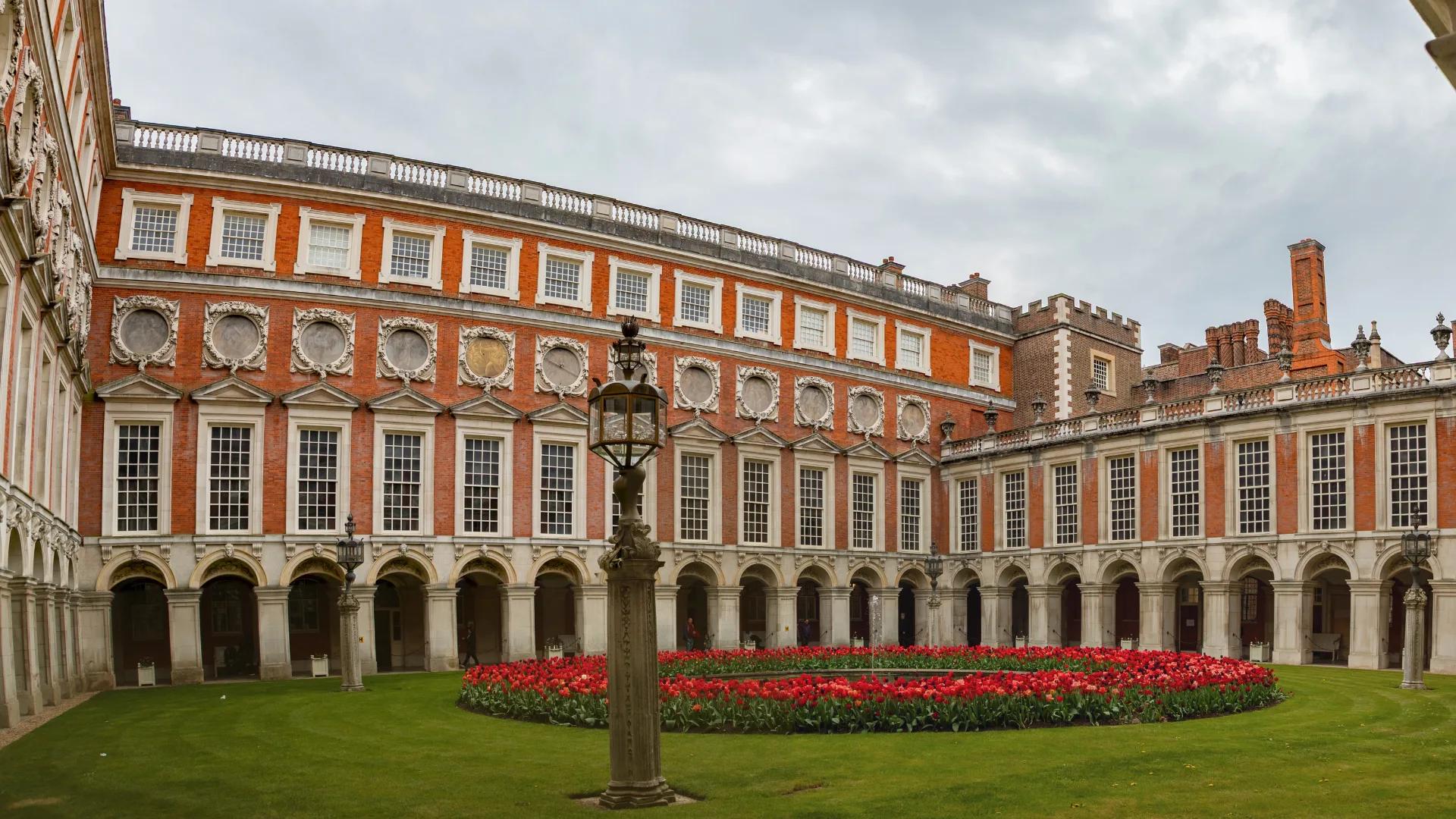
University College London Interview Preparation
Master the interview process with expert tips, sample questions, and proven strategies from Dr. Karan Gupta
Interview Format
Format
UCL does NOT conduct interviews for the vast majority of undergraduate programmes. Admissions are based on UCAS personal statement, predicted grades, and references. Exceptions: Medicine (MMI format), Dentistry, Architecture (portfolio review + interview), and some Arts & Humanities programmes. For postgraduate taught programmes, most departments admit on application alone, though competitive programmes (e.g. Management MSc, Clinical Psychology) may interview. PhD applicants are typically interviewed by their prospective supervisor.
Duration
Medicine MMI: 7 stations, ~7 minutes each (~50 minutes total). Architecture portfolio interview: 15-20 minutes. Postgraduate interviews (where applicable): 20-30 minutes.
Interviewers
Medicine: trained assessors at MMI stations (mix of clinicians, academics, and sometimes senior students). Architecture: portfolio review panel. Postgraduate: 1-2 academics from the department, often including the programme director.
Interview Style & Expectations
Medicine MMI: scenario-based ethical dilemmas, role-play, data interpretation — no traditional Q&A. Architecture: portfolio-led discussion. Postgraduate: academic motivation, research interests, fit with programme. UCL values intellectual curiosity, independent thinking, and a genuine London-global outlook.
What UCL Looks For
Sample Interview Questions
Motivation
Why have you chosen this particular programme at UCL rather than a similar one elsewhere?
Tip: UCL wants specificity. Reference particular modules, research groups, or the London location advantage. Generic 'prestigious university' answers fall flat.
Academic Curiosity
Tell us about something you've read or explored outside your school syllabus that deepened your interest in this subject.
Tip: This is where supercurricular reading pays off. Name the book, paper, or project. Explain what surprised you or changed your thinking.
Ethics (Medicine)
Medicine MMI: A 16-year-old patient refuses a blood transfusion on religious grounds. Their parents agree with the refusal. What do you do?
Tip: Demonstrate structured ethical reasoning: autonomy vs. beneficence, Gillick competence, legal framework. Don't rush to a 'right answer' — show you can hold complexity.
Postgraduate Fit
How does your previous academic or professional experience prepare you for this master's programme?
Tip: Draw direct lines between past work and the programme's focus areas. UCL postgrad panels want to see you've done your homework on the curriculum.
Career Vision
What do you hope to do after completing your degree?
Tip: Be honest but show ambition. UCL likes students who think beyond the first job — show awareness of how the degree opens doors.
Portfolio (Architecture)
Architecture: Walk us through this piece in your portfolio. What was the brief, and what design decisions did you make?
Tip: Lead with your design thinking process, not just the final product. Explain constraints, iterations, and what you learned.
Preparation Strategy
Do's - Preparation Tips
- For most UCL undergraduate programmes, your personal statement IS your interview — invest serious time in it
- UCL's admissions tutors read thousands of statements; specificity and genuine voice stand out far more than polished generalities
- If you are called for a Medicine MMI, practise with timed stations — the format rewards structured thinking under pressure, not rehearsed answers
- For postgraduate applications, a strong research proposal or statement of purpose often matters more than the interview itself
- UCL is London's global university — demonstrating awareness of how London's resources (museums, hospitals, industries) enhance your studies is a plus
- Check each department's specific entry requirements carefully — UCL is decentralized and requirements vary significantly between faculties
Don'ts - Common Mistakes
- Assuming every UCL programme requires an interview — most do not; wasting energy preparing for an interview that won't happen
- Writing a generic personal statement that could apply to any university — UCL tutors notice immediately
- For Medicine MMI: giving a definitive 'right answer' to ethical scenarios instead of demonstrating balanced reasoning
- Neglecting the UCAS reference — a strong teacher reference that corroborates your personal statement claims carries real weight
- For postgraduate: applying without contacting potential supervisors first (especially for research degrees)
- Underestimating UCL's grade requirements — they are strict and rarely make exceptions on grades
Ready to Master Your Interview?
Practice with our AI Interview Coach and get real-time feedback on your responses.
Start AI Interview Practice