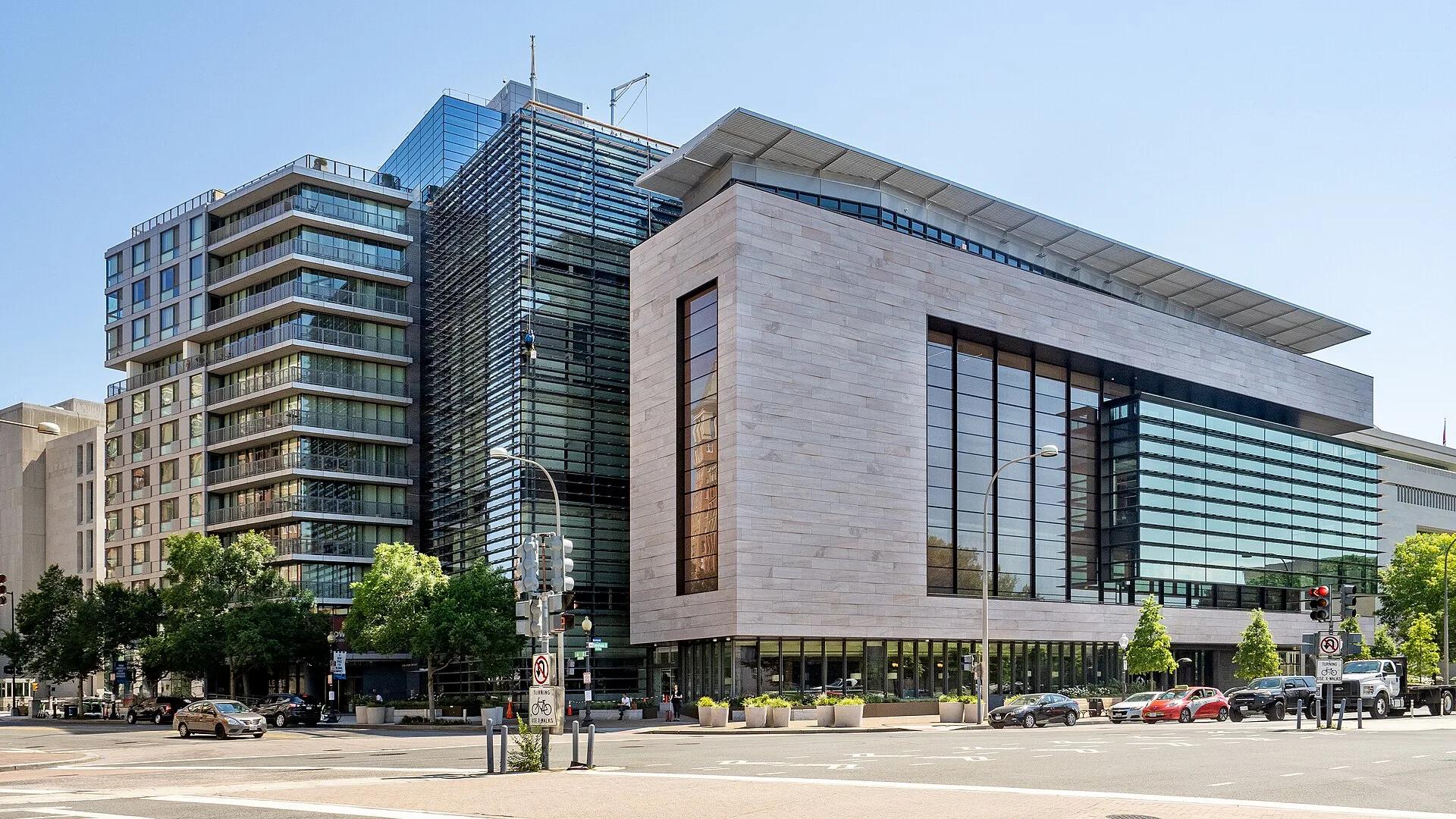
Johns Hopkins University Interview Preparation
Master the interview process with expert tips, sample questions, and proven strategies from Dr. Karan Gupta
Interview Overview
The Johns Hopkins Carey MBA Interview: Purpose-Driven Leadership
Johns Hopkins Carey's interview is conversational and forward-focused, designed to assess whether you have clear goals and genuine interest in the program. Rather than pressure-testing you, Carey's interview is a dialogue about your aspirations, what you're looking to develop, and how Carey will help you get there.
Conducted by admissions staff members, interviews are approximately 30 minutes and feel more like a conversation with someone interested in understanding your story than a traditional business school interview. The tone is warm and professional, and the interviewer genuinely wants to understand your motivations and goals.
What makes Carey distinctive is its emphasis on purpose-driven leadership and collaboration. Located in Baltimore with proximity to policy, healthcare innovation, and civic leaders, Carey is known for graduating leaders who want to make a difference, not just climb the ladder. The interview assesses whether you have authentic goals, whether you're genuinely interested in collaborative leadership, and whether you'll thrive in Carey's community-oriented culture.
Carey values genuine motivation, self-awareness, and commitment to impact. Your interview should demonstrate that you've thought seriously about what you want to achieve in your career, that you're self-aware about your development areas, and that you're motivated by more than just financial success.
Because the interview is conversational and focused on understanding you, preparation should center on clarity about your goals, genuine reflection on what you want to develop, and authentic interest in Carey's culture and values.
Interview Format
Format
One-on-one conversational interview
Duration
30 minutes
Interviewers
Admissions staff
Interview Format Details
Interview Format Breakdown
Duration: Approximately 30 minutes, one-on-one conversational format.
Interviewer Background: Conducted by trained admissions staff members who know the program and student community deeply. Interviewers are not faculty or students, but rather professionals who can speak credibly about the Carey experience.
Interview Style: Conversational and exploratory rather than interrogatory. Your interviewer is genuinely interested in understanding your background, goals, and what you hope to develop through an MBA. The tone is warm and collaborative, not competitive or high-pressure.
Focus Areas: Rather than grilling you on resume details, Carey's interviews focus on understanding: What are your goals? What drives you? What will you develop during an MBA? Why Carey? The interview is evaluative and informational simultaneously.
Format & Location: Interviews are available both virtually and on-campus, with no preference expressed for either format. Choose based on where you'll feel most comfortable being authentic.
Interview Requirement: Interview is offered by invitation after application review. While not mandatory for all candidates, an interview significantly strengthens candidacy and provides an opportunity to clarify fit and goals.
Interview Style & Expectations
Conversational, focused on motivations and goals
What Johns Hopkins University Looks For
Interview Questions: In-Depth Analysis
Common Interview Questions & What Carey Values
Goal & Motivation Questions (50%)
Carey prioritizes understanding your goals and what drives you. They ask about post-MBA aspirations, why you want an MBA, and what you're hoping to develop as a leader. They're assessing whether your goals are clear, whether you're genuinely motivated, and whether an MBA is the right next step.
Background & Experience (30%)
Through questions about your background, Carey wants to understand your career journey and what you've accomplished. But they're primarily interested in what you learned and how you've grown, not just what you achieved.
Carey Fit (20%)
These questions assess whether you understand Carey's culture and values, whether you're genuinely interested in the program, and whether you're motivated by purpose and collaboration, not just prestige.
What Carey Values in Responses:
- Clear, authentic goals rooted in genuine interest, not prestige
- Self-awareness about development areas and growth mindset
- Collaborative mindset and interest in lifting others up
- Genuine interest in purpose-driven leadership and impact
- Honest, conversational communication
Sample Interview Questions
Background
Tell me about yourself and your career to date.
Tip: Share your story—what you've learned, how you've grown, not just titles and accomplishments.
Goals
What are your post-MBA goals, and why?
Tip: Be specific and authentic. What genuinely motivates you? Your answer should feel rooted in real values.
Motivation
Why do you want an MBA? What will you develop?
Tip: Focus on what you want to develop, not just career advancement. What's missing that an MBA provides?
Collaboration
Tell me about a time you collaborated with a diverse team.
Tip: Show genuine learning from working with different perspectives and backgrounds.
Resilience
Describe a time you faced a challenge and how you handled it.
Tip: Show how you approached it and what you learned. Authentic reflection matters.
School Fit
Why Johns Hopkins Carey specifically?
Tip: Reference Carey's values, culture, location, or specific programs. Show you've thought about fit.
Values
What does leadership mean to you?
Tip: Carey values collaborative leadership. Show that you think about how you enable others.
Self-Awareness
How would your colleagues describe you?
Tip: Give an honest answer about how you're perceived and where you want to grow.
Development
What area do you want to develop during an MBA?
Tip: Show self-awareness and growth orientation. This matters more than current perfection.
Contribution
What will you contribute to the Carey community?
Tip: Think about perspective, values, or skills you'll bring. How will you add value?
Values & Integrity
Tell me about a time you showed integrity or stood up for your values.
Tip: Carey values ethical leadership. Give a real example where you did the right thing.
Purpose
What does impact mean to you in your career?
Tip: Show that you care about making a difference, not just accumulating credentials.
Preparation Strategy
Do's - Preparation Tips
- Be yourself and be genuine. Carey can tell the difference between authentic and performed.
- Ground your goals in genuine values and interests, not career prestige chasing
- Show that you've thought about self-development, not just external achievements
- Ask questions that show you're seriously evaluating whether Carey is right for you
- If you're interested in leadership development or impact work, Carey is genuinely focused on this
- Be warm and conversational, not formal. Carey values human connection.
- If Baltimore isn't your target location, be honest but show how Carey's network and culture serve your goals
Don'ts - Common Mistakes
- Having vague goals that sound generic rather than authentic
- Being overly formal or trying to sound like a business school robot
- Not showing genuine interest in Carey's collaborative culture
- Focusing only on compensation or prestige as motivation
- Not having done genuine research on Baltimore or Carey's unique strengths
- Being defensive about background or not showing openness to development
- Not asking genuine questions back—signals you're not evaluating fit seriously
Comprehensive Preparation Guide
Preparing for Your Johns Hopkins Carey Interview
1. Clarify Your Genuine Goals
Before the interview, spend time thinking about what you actually want to achieve in your career and what you want to develop as a leader. Carey's interviewers can tell the difference between authentic goals and goals you think an MBA program wants to hear. Be honest about what drives you—is it impact? Building a business? Leading change in an industry? Solving a problem?
2. Understand Your Development Journey
Think about what you want to develop during an MBA: strategic thinking? Leadership skills? Network in a specific industry? Self-awareness as a leader? The ability to articulate what you're trying to develop—and why—is more important than listing accomplishments.
3. Prepare Authentic Stories
Have 3-4 stories ready that illustrate: leadership and growth, collaboration and teamwork, overcoming a challenge, learning from failure. These should feel like real experiences, not polished pitches. Carey wants to understand how you think and approach problems, not impress with credentials.
4. Research Carey's Mission & Culture
Know: Carey's emphasis on purpose-driven leadership and collaboration, proximity to Baltimore's innovation and policy ecosystems, programs aligned with your goals, Carey's values around ethical leadership and community. Show genuine interest in how Carey's culture aligns with your values.
5. Prepare Thoughtful Questions
Ask questions that show you're genuinely evaluating fit: How does Carey support collaborative leadership development? What does the student community value most? How does Baltimore's location shape the MBA experience? What's the culture like among students and faculty? Good questions show authentic interest.
6. Practice Being Yourself
Carey values authenticity above all else. Be yourself—don't try to be what you think Carey wants. Practice discussing your goals and background conversationally with friends until it feels natural, not rehearsed.
Key Statistics
~45%
inviteRate
700
averageGMAT
3.5
averageGPA
150
classSize
35%
internationalStudents
5
avgYearsExperience
Student Success Stories
A Successful Johns Hopkins Carey Interview
Candidate Profile: Healthcare administrator, 6 years experience, interested in health equity and community health innovation.
Interview highlights: When asked about her goals, she articulated a specific vision: build systems that make high-quality healthcare accessible to underserved communities, starting at the organizational level before potentially moving to policy. When asked what she wanted to develop at Carey, she said strategic thinking and the ability to navigate complex healthcare systems more effectively. When asked about collaboration, she shared a story about working with clinical and administrative teams to redesign a patient workflow, noting what she learned from each perspective.
Why she succeeded: Her goals were specific and rooted in genuine passion, not prestige. She was self-aware about development areas. She showed that collaboration and impact genuinely matter to her, not just as buzzwords. She was warm and genuine in conversation, treating the interviewer like a peer interested in the same things.
Result: Admitted. Interviewer noted: "Authentic purpose. Will be great addition to Carey community and healthcare sector."
Expert Interview Coaching

Dr. Karan Gupta's Interview Advice
Final Expert Advice from Dr. Karan Gupta
Johns Hopkins Carey interviews reward authenticity, self-awareness, and genuine commitment to purpose-driven leadership. The admissions team wants to understand who you really are and what genuinely drives you, not what you think they want to hear.
Carey is different from many MBA programs in its explicit focus on purpose and collaboration. If you're motivated primarily by prestige or compensation, you may not be a good fit (and the interviewer will sense that). If you genuinely care about making a difference and developing as a leader, Carey is a wonderful program.
Be yourself in the interview. Warmth, authenticity, and genuine curiosity resonate far more than polish. Remember that Baltimore has been underrated as an MBA destination, but the city offers real opportunities in healthcare innovation, civic engagement, and social impact work.
Finally, show that you're thinking about your own development as a leader, not just your career trajectory. Carey graduates leaders who want to make the world better, not just climb the ladder. If that's you, let that come through authentically.
Ready to Master Your Interview?
Practice with our AI Interview Coach and get real-time feedback on your responses.
Start AI Interview Practice