What can be done to help students who want to study abroad? Dr. Karan Gupta offers some solutions
 Dr. Karan Gupta
What can be done to help students who want to study abroad? Dr. Karan Gupta offers some solutions

Dr. Karan Gupta's Perspective
Harvard Alumnus · 27 Years · 160,000+ Students
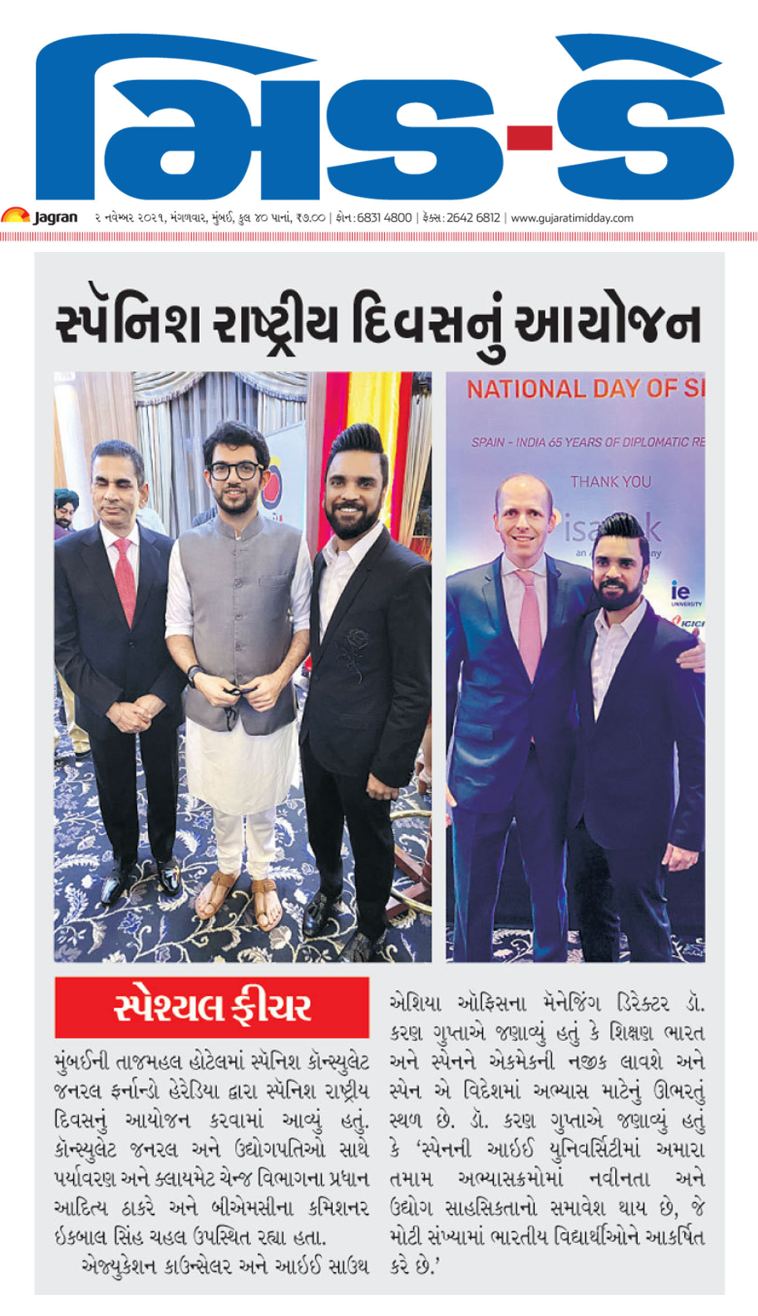
"Studying overseas is not just an academic choice; it's a life-changing decision that shapes careers, worldviews, and even identities. I recently discussed this on Mid-Day, elaborating on what can be done to aid students aspiring to study abroad. Reflecting on this media appearance, I see that the interest in international education continues to soar—fueled by the prospect of top-tier education, global exposure, and career prospects. However, it isn’t merely about securing admission overseas; it's about a holistic approach that involves preparation, adaptation, and growth. Each step, although challenging, is an opportunity waiting to be harnessed.
Throughout my 27 years of guiding students, I’ve noticed a recurring theme: the lack of actionable information creates a sense of overwhelm among students and parents. Understanding international educational landscapes and making informed decisions can be daunting. For instance, last year I worked with a family whose daughter was eager to apply for a highly competitive course in the United States. They were misguided by numerous sources, leading to unnecessary anxiety about entrance requirements and cost management. This scenario is not unique. A majority of families face these hurdles due to mismatched information. It's crucial to have a streamlined process that begins with identifying an institution that aligns with both academic goals and personal proclivities.
It's vital to begin the journey with introspection: Why study abroad? What does the student hope to achieve, and which country or university best aligns with these aspirations? Parents and students must engage in open discussions about targets and possibilities. Once clarity is achieved regarding goals, it’s important to research extensively about the potential universities and the various programs they offer. While research might sound mundane, it’s the cornerstone of informed decision-making. Throughout the decades, I’ve seen the most successful students are those whose university choices resonated with their own life's values and aspirations.
Beyond traditional research methods, I urge students to directly reach out to alumni or current students. A young man I guided two years ago was set on pursuing engineering at a particular institution in Canada. He proactively engaged with current students through alumni networks and social media platforms. They provided invaluable insights and realistic perspectives about the coursework, campus life, and job opportunities. This first-person perspective can unravel hidden gems of information far beyond glossy brochures and official websites.
Financial planning is another element that demands meticulous attention. The perceived costs of international education can be intimidating, and understandably so. However, with scholarships, grants, and part-time work opportunities, many students find the means to support their education without being buried under financial burdens. A case in point: I worked with a family anxious about their son's ambition to study in the UK. Once I illustrated the broad spectrum of scholarships he could apply for and the potential of earning while learning, the situation appeared much more manageable. I encourage students to explore financial aid options early in their planning process. This could significantly offset costs and transform perceived unattainability into a feasible dream.
Moreover, we must not ignore the socio-cultural aspect of studying abroad. While educational opportunities abroad are beyond compare, adjusting to cultural differences can be quite challenging. Over the years, I've witnessed students experiencing culture shock and feeling homesick. A brilliant student I guided last year shared that joining cultural clubs and communities on campus helped her transition smoothly and made her feel connected to her roots while embracing new cultures. Such engagements foster personal and interpersonal growth and ease the sense of isolation.
When a student is well-prepared for these various facets—academic, financial, and socio-cultural—the experience of studying abroad becomes not just a passage of degrees but acts as a bridge to global citizenship. What I tell my students is that this journey requires them to be both diligent and patient. Success doesn’t come merely from admission but from flourishing in this new, vibrant learning environment.
In conclusion, as overseas education continues to captivate the imagination of Indian students, it's imperative to transform curiosity into clarity through structured information, research, and preparation. This nuanced pathway demands a balance of academic objectives, financial viability, and active cultural adaptation. By embracing this holistic approach, students are not only poised for academic success but are also groomed for a lifetime of global opportunities.
Looking ahead, I propose a shift towards more personalized educational counseling. With ever-evolving educational landscapes, there is a need for dynamic guidance that keeps pace with these changes—providing students with real, actionable steps customized to their unique needs and aspirations. To every student and parent considering this path, I invite you to delve deeper, ask the right questions, and stay resilient. The world is brimming with opportunities; it’s about equipping yourself to explore them with confidence and clarity."
Need Personalized Guidance?
Dr. Karan Gupta has been featured in leading media outlets for his expertise. Book a consultation to get the same trusted advice for your education journey.