One can change the world through education. Dr. Karan Gupta at the Spanish National Day with key influencers
 Dr. Karan Gupta
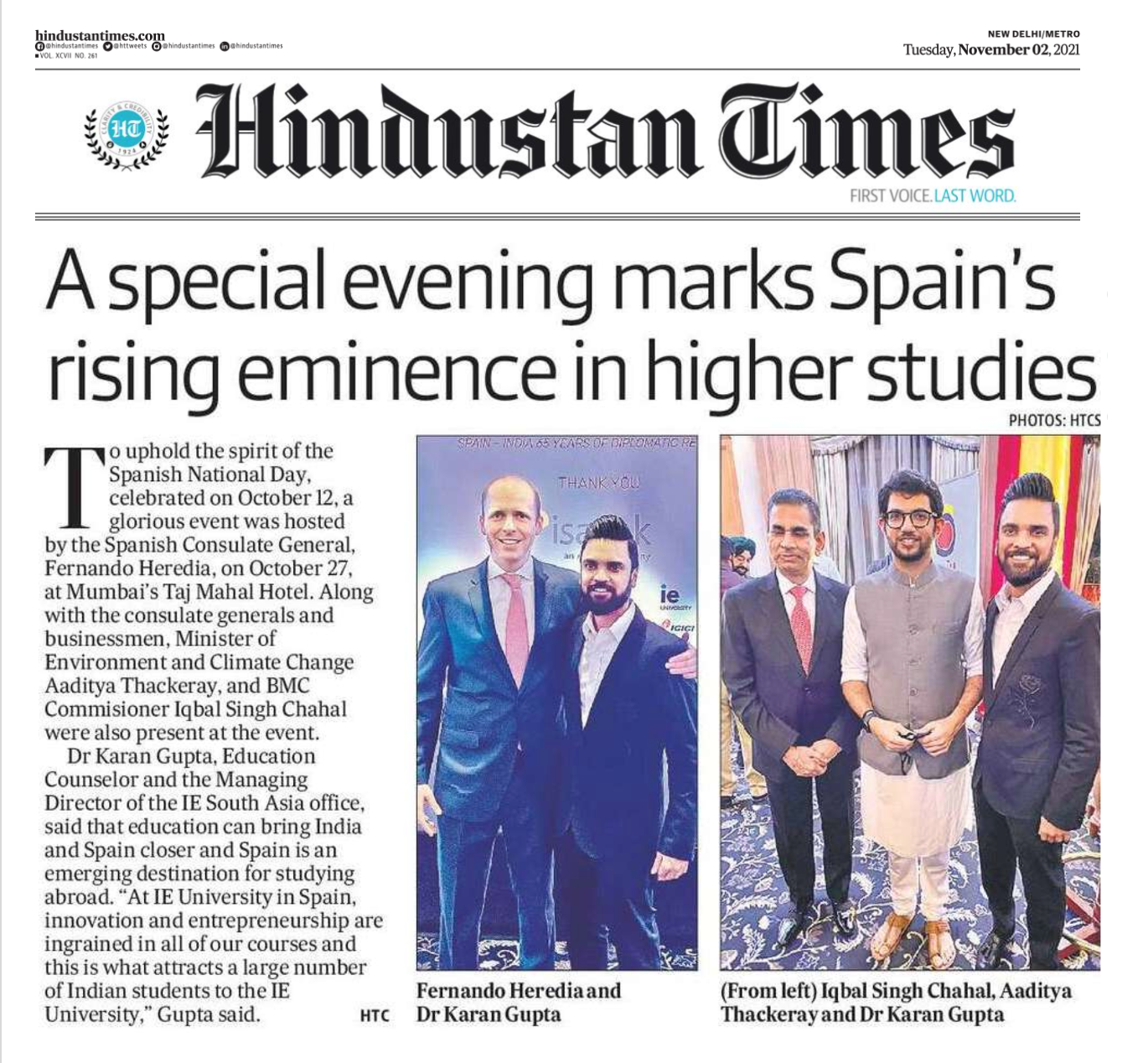
One can change the world through education. Dr. Karan Gupta at the Spanish National Day with key influencers

Dr. Karan Gupta's Perspective
Harvard Alumnus · 27 Years · 160,000+ Students
Attending the Spanish National Day event, where I had the opportunity to speak alongside prominent influencers and dignitaries, reminded me of the profound impact education can have on individuals and societies. It was a poignant moment, realizing again that education can indeed change lives, cultures, and the world. This belief is not merely idealistic rhetoric; it is a conviction honed through decades of observing the transformative power of learning on countless students and their families.
Reflecting on that occasion, I was struck by how the celebration of cultural ties dovetailed with the fundamental role of education in bridging global communities. The event was a shimmering tapestry of people who represented different facets of influence, and as I engaged in conversations, it became clearer that education is a common thread that can weave disparate backgrounds into a unified vision of progress.
Through 27 years in education consultancy, I’ve noticed a consistent pattern that reinforces this idea: students who pursue studies abroad often emerge with a broader worldview, increased adaptability, and heightened problem-solving skills. For Indian students, this is particularly significant. The global exposure not only opens up myriad career opportunities but also instills a sense of independence and confidence that thrives on diversity.
Take, for instance, a young student from a modest background whom I guided last year. He was determined to study in Spain and explore its rich educational offerings in design, a field not as prominently developed in India as in some Western countries. His determination and the exposure he gained during his studies led to a remarkable metamorphosis. Upon his return, he started his own design consultancy, incorporating influences from both Indian and Spanish cultures. This kind of cross-cultural fertilization is a testament to how education abroad can propel students into becoming catalysts for innovation in their home countries.
However, the journey to achieving such transformative experiences is not without its challenges. One of the biggest trends I’ve witnessed over the years is the growing anxiety among both students and parents regarding the overwhelming choices and financial burdens associated with international education. With so many options available and myths perpetuating about costs and quality, it’s easy to become paralyzed by indecision.
My advice always centers around clarity of purpose. Before delving into applications, students need to ask themselves critical questions: What do I want to achieve with this education? Which countries offer the best programs aligned with my goals? Can I foresee a career path that benefits from this particular international exposure? Honest reflection on these questions can significantly narrow down choices and reduce stress.
Another insight involves finances. One particular instance that comes to mind is that of a family from Bangalore. Initially deterred by high fees at prestigious institutions abroad, they were contemplating compromising on the student’s dream. I helped them explore scholarships and financial aid opportunities, often overlooked components of international studies. Many foreign universities offer substantial scholarships for Indian students, and financial planning should incorporate these potential aids as strategic components in the decision-making process.
The key takeaway for parents and students is to research meticulously. Understand the course requirements, the university’s culture, the teaching methodologies, and even the local lifestyle. Each of these factors can influence not just academic success but also personal growth. Moreover, consider approaching industry professionals or alumni who have navigated similar paths. Their insights can provide guidance far beyond what official brochures offer.
In a rapidly changing world, another consideration is the adaptability to new technological landscapes. Future careers may look vastly different from those today, and students should choose programs that emphasize not just current knowledge but the skills needed to learn and adapt continuously. Programs that encourage internships and real-world projects allow students to test their classroom learning in practical scenarios, a crucial aspect of modern education.
Looking ahead, the objective for students and parents should be to cultivate an educational journey that is not about ticking boxes but transforming narratives—their own and those of their communities. It is about equipping oneself with more than a degree: with resilience, empathy, and a vision that can navigate and influence diverse global environments.
Returning home from the Spanish National Day, my reflections align with a hopeful message: Education, when pursued with intent and passion, is an unparalleled vehicle for change. It can turn insular views into global visions, solitary dreams into collective accomplishments. As I continue to guide students on their educational journeys, my endeavor is to inspire them to not just seek opportunities but to create them and, in doing so, contribute to a world that values education as much as it prizes progress. Let us embrace education not as a mere stepping stone but as a cornerstone of a brighter, more inclusive tomorrow.
Need Personalized Guidance?
Dr. Karan Gupta has been featured in leading media outlets for his expertise. Book a consultation to get the same trusted advice for your education journey.