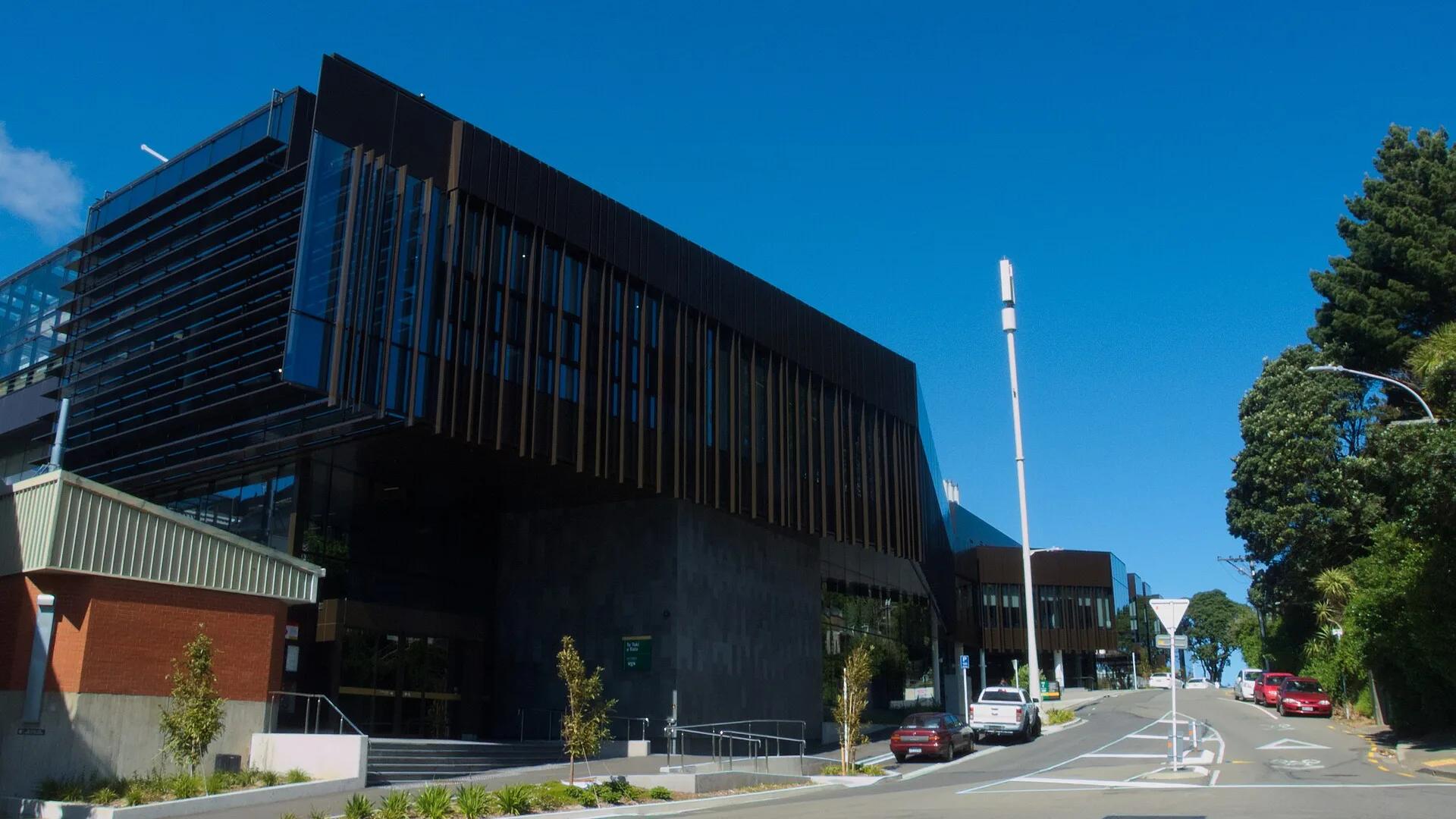
University of Victoria
Victoria, BC, Canada
The University of Victoria (UVic) is one of Canada's top comprehensive universities, renowned for its co-operative education programme — the largest in the country. Located on Vancouver Island in beautiful British Columbia, UVic combines strong research in climate science, ocean technology, and computer science with a co-op model that gives every student real Canadian work experience before graduation.
Top 350
QS World Ranking
1963
Founded
22,000+
Students
#1
Co-op in Canada
UVic at a Glance
Top 350
QS World Ranking
#1
Co-op in Canada
22,000+
Students
1963
Founded

Dr. Karan Gupta's Strategic View
Why UVic Is a Strong Choice
Co-op — The Immigration Accelerator
Canada's Express Entry immigration system awards points for Canadian work experience. The BC Provincial Nominee Programme fast-tracks candidates with BC work experience. UVic's co-op programme builds this experience into your degree — you do not have to graduate and then scramble for work. You work during your studies, earn money, and accumulate the Canadian work experience that the immigration system rewards.
UVic's co-op office maintains relationships with hundreds of employers across BC. Students in science and engineering programmes typically complete 2-4 co-op work terms of 4 months each. Co-op employers include the BC Government, Schneider Electric, Ocean Networks Canada, local tech firms, and Vancouver-based companies. The placement rate is high — over 90% of co-op students secure placements.
For Indian students, the co-op income is also significant. At CAD 3,500-5,500 per month, co-op earnings over multiple work terms can total CAD 15,000-25,000. This substantially offsets tuition and living costs. Many students graduate with minimal or no debt — a rarity for international students in Canada.
Victoria — Canada's Best-Kept Secret
Victoria is the capital of British Columbia, but it feels nothing like a capital city. With a population of about 400,000 in the metro area, it is compact, walkable, and surrounded by ocean and mountains. The weather is the mildest in Canada — average winter temperatures hover around 5°C, and snow is rare. While Toronto shivers at minus 20°C, Victoria students are cycling to campus in light jackets.
The city's tech sector has grown steadily, with companies in ocean technology, defence, software, and clean energy establishing Victoria offices. The proximity to Vancouver (90-minute ferry) gives students access to a larger job market while living in a more affordable, more beautiful city. Victoria housing costs are high by Canadian standards but 30-40% lower than Vancouver.
For Indian students, Victoria has a growing but intimate Indian community. The cultural adjustment is real — Victoria is not Toronto's diversity. But students who embrace the outdoor lifestyle — whale watching, hiking, cycling, surfing — find Victoria to be one of the most rewarding places they have ever lived. The quality of life is genuinely world-class.
Ocean and Climate Research at the Frontier
UVic is home to Ocean Networks Canada — the world's most advanced cabled ocean observatory, monitoring the Pacific Ocean floor in real-time. The Pacific Climate Impacts Consortium, also at UVic, is Canada's leading centre for regional climate change research. These are not small research centres — they are nationally significant facilities that attract global attention.
For students in earth sciences, environmental science, engineering, and computer science, these research platforms provide unique data access and fieldwork opportunities. Where else can you work with real-time data from ocean-floor sensors, or model climate impacts for Pacific Northwest communities using the latest global datasets?
UVic's location on Vancouver Island provides natural laboratory access that no inland university can match. Marine biology, coastal engineering, earthquake research, and Pacific fisheries management all benefit from UVic's geography. If your research interests connect to oceans, climate, or the environment, UVic offers a combination of facilities, data, and location that is globally unique.
Campus & Student Life
UVic's campus is a 163-hectare forested parkland in the Gordon Head neighbourhood, 15 minutes from downtown Victoria. The campus features modern facilities, nature trails through old-growth forest, and a rabbit population that has become an unofficial campus mascot.
Admission Requirements
UVic is competitive for international students but more accessible than U of T or UBC. The university values research potential, co-op readiness, and genuine interest in British Columbia as a study destination. Strong English skills and relevant background are essential.
UVic's co-op programme is the real differentiator — it gives you paid Canadian work experience during your degree. This is enormously valuable for post-graduation employment and permanent residency applications. Prioritise programmes with co-op components.
Master's Programs
- MSc Computer Science
- MEng Electrical and Computer Engineering
- MSc Earth and Ocean Sciences
- MSc Data Science
- MSc Mathematics and Statistics
MBA Program
- MBA (Gustavson, 20 months with co-op)
- MBA (Accelerated, 16 months)
Interview Preparation
What to expect and how to prepare for your UVic interview
Format
Video or in-person interview (MBA); informal discussion for some research programmes
Duration
20-30 minutes
Interviewers
MBA admissions committee or potential research supervisor
Interview Style
Conversational — focused on fit, career goals, and why UVic specifically
What UVic Looks For
Sample Interview Questions
Preparation Tips
- Research Victoria's tech sector and potential co-op employers
- Show enthusiasm for the co-op model — it defines UVic's identity
- Know why Victoria specifically appeals to you (not just Canada generally)
- If applying to research programmes, connect with potential supervisors beforehand
Common Mistakes
- Not understanding UVic's co-op programme and its value
- Treating UVic as a backup to UBC or U of T without genuine interest
- No plan for permanent residency or career in Canada
What Type of Student Gets In?
Strategically focused on Canadian immigration and career goals
Values work experience as much as academic credentials
Comfortable in a smaller, community-oriented city
Outdoorsy and appreciates natural beauty as part of quality of life
Practical about post-graduation employment and immigration
Self-starter who creates opportunities rather than waiting for them
Indian students default to Toronto or Vancouver because they have heard the names. UBC and U of T are excellent, but they offer limited co-op for graduate students and are in cities with brutal housing costs. UVic's co-op programme gives you the work experience that Canada's immigration system rewards, in a city where your money goes further. The immigration maths favours UVic.
Costs & ROI
UVic offers strong value — science and engineering tuition is among the most affordable in Canada for a research university. Co-op earnings during work terms (CAD 3,500-5,500/month) significantly offset tuition and living costs. Many students graduate with minimal or no debt. Victoria living costs are lower than Vancouver, though higher than prairie cities.
| Level | Tuition |
|---|---|
| Master's (Science/Engineering) | CAD 8,000 - 12,000/year (domestic-rate scholarships may apply) |
| MBA (Gustavson) | CAD 38,000 - 42,000 total |
| Living Costs | CAD 1,200 - 1,800/month |
| Co-op Earnings | CAD 3,500 - 5,500/month during work terms |
Salary Ranges
Career & Industry
Schneider Electric (Aveva)
Schneider's Victoria office (formerly Aveva) is one of the largest tech employers in the city. The company partners with UVic's computer science and engineering programmes for co-op placements, research collaboration, and graduate recruitment.
Ocean Networks Canada
Headquartered at UVic, Ocean Networks Canada operates the world's most advanced cabled ocean observatory. UVic students access real-time ocean data, research infrastructure, and paid positions through this globally unique facility.
BC Government
The British Columbia provincial government is headquartered in Victoria, making it one of the largest employers in the city. UVic students access co-op placements in IT, policy, data analytics, and public administration across government ministries.
UVic graduates benefit from co-op experience that gives them Canadian work history before graduation — a critical advantage for permanent residency applications. Victoria's tech sector is growing, and Vancouver's larger market is a 90-minute ferry ride away. BC's Provincial Nominee Programme favours graduates with local work experience.
Application Timeline
12-18 Months Before
- Research UVic programmes and the co-op model
- Explore BC Provincial Nominee Programme for post-graduation immigration
- Identify potential research supervisors for thesis programmes
9-12 Months Before
- Take IELTS/TOEFL and GRE/GMAT if needed
- Prepare application with co-op-focused statement of intent
- Apply for UVic and external scholarships
6-9 Months Before
- Submit application (deadlines vary — January-March for September entry)
- Follow up on scholarship applications
3-6 Months Before
- Receive offer and accept
- Apply for Canadian study permit
- Research co-op employer options in Victoria and Vancouver
1-3 Months Before
- Arrange accommodation — UVic residence or off-campus in Gordon Head, Shelbourne area
- Arrange BC health insurance (MSP) after 3-month waiting period
- Plan travel to Victoria (fly to Victoria or Vancouver + ferry)
Arrival
- Attend UVic orientation
- Register with co-op office early to access job postings
- Get a bus pass (UVic U-Pass included in student fees) and explore Victoria
UVic vs Peers
UVic vs UBC
UVic: Canada's largest co-op programme, lower tuition, more affordable Victoria living, closer faculty relationships, co-op income offsets costs
Other: Much higher ranking, Vancouver's larger job market, stronger global brand, more diverse programme range, larger international community
UVic vs University of Waterloo
UVic: Beautiful Pacific coast location, milder climate, stronger in ocean and climate research, Victoria's quality of life
Other: Stronger co-op brand in Ontario tech, higher ranking for CS and engineering, closer to Toronto job market, larger tech employer network
UVic vs Dalhousie University
UVic: Stronger co-op programme, milder climate, BC's stronger tech sector, Victoria's higher quality of life, better ocean technology research
Other: Lower tuition, Halifax's growing tech scene, Atlantic Immigration Pilot advantages, stronger medical school
UVic Is Right For...
- Students who see Canadian permanent residency as a primary goal
- Those who want paid co-op work experience integrated into their degree
- Applicants interested in ocean science, climate, or environmental research
- Students who prefer a small, beautiful city over a large metropolitan area
- Tech students targeting BC's growing tech sector (Victoria and Vancouver)
UVic Is Not Right For...
- Students who need a large-city experience (Victoria has ~400,000 people)
- Those targeting Bay Street finance or Toronto consulting careers
- Applicants who want a globally recognised brand name (UBC and U of T carry more weight)
- Students who dislike rain (Victoria is mild but wet in winter)

Dr. Karan Gupta's Advice
FAQs: UVic for Indian Students
Is UVic good for Indian students?
UVic is excellent for Indian students whose primary goal is staying and working in Canada. The co-op programme provides Canadian work experience during your degree, which is the single most important factor for permanent residency applications. Victoria is safe, beautiful, and more affordable than Vancouver or Toronto. The Indian community is small but growing.
How does UVic compare to UBC?
UBC has higher rankings, stronger brand recognition, and Vancouver's larger job market. UVic's advantages are its co-op programme (the largest in Canada), lower tuition, more affordable living costs, and a smaller campus community with closer faculty relationships. For immigration strategy, UVic's co-op gives you a head start on Canadian work experience that UBC's master's programmes typically do not provide.
What is the cost of studying at UVic?
Science and engineering master's tuition is CAD 8,000-12,000 per year — among the lowest in Canada for a research university. The MBA costs CAD 38,000-42,000 total. Living costs in Victoria are CAD 1,200-1,800 per month. Co-op earnings (CAD 3,500-5,500/month) significantly offset these costs. Many students graduate with minimal debt.
How does co-op work at UVic?
Co-op students alternate between academic terms and 4-month work placements. UVic's co-op office posts job listings and supports students in finding placements. Employers include the BC Government, tech companies, research labs, and private sector firms. Over 90% of co-op students secure placements. Co-op is paid — CAD 3,500-5,500/month is typical. The work experience counts toward Canadian immigration requirements.
Can I get permanent residency after UVic?
Yes — UVic graduates receive a 3-year Post-Graduation Work Permit. Combined with co-op work experience earned during the degree, many graduates have sufficient Canadian work experience to apply for permanent residency through Express Entry or the BC Provincial Nominee Programme within 1-2 years of graduation. UVic's co-op gives you a significant head start on this pathway.
Related Articles
Wall Street Internships: What Matters More Than Your College Name
A Wall Street job isn't guaranteed by an Ivy League degree. Here's how students from any college can compete for elite finance internships.
Common Data Set: What Harvard and Top U.S. Colleges Really Consider
The Common Data Set reveals what U.S. colleges say matters in admissions—and what they say does not.
Your College Scholarship Isn’t Always Final: How to Ask for More
A three-paragraph scholarship appeal email can sometimes unlock more college aid. Learn when to negotiate, what to say, and when an appeal can backfire.
Want to Study at UVic?
Get expert guidance from Dr. Karan Gupta: Harvard alumnus, 27+ years of global admissions experience guiding 160,000+ students worldwide.