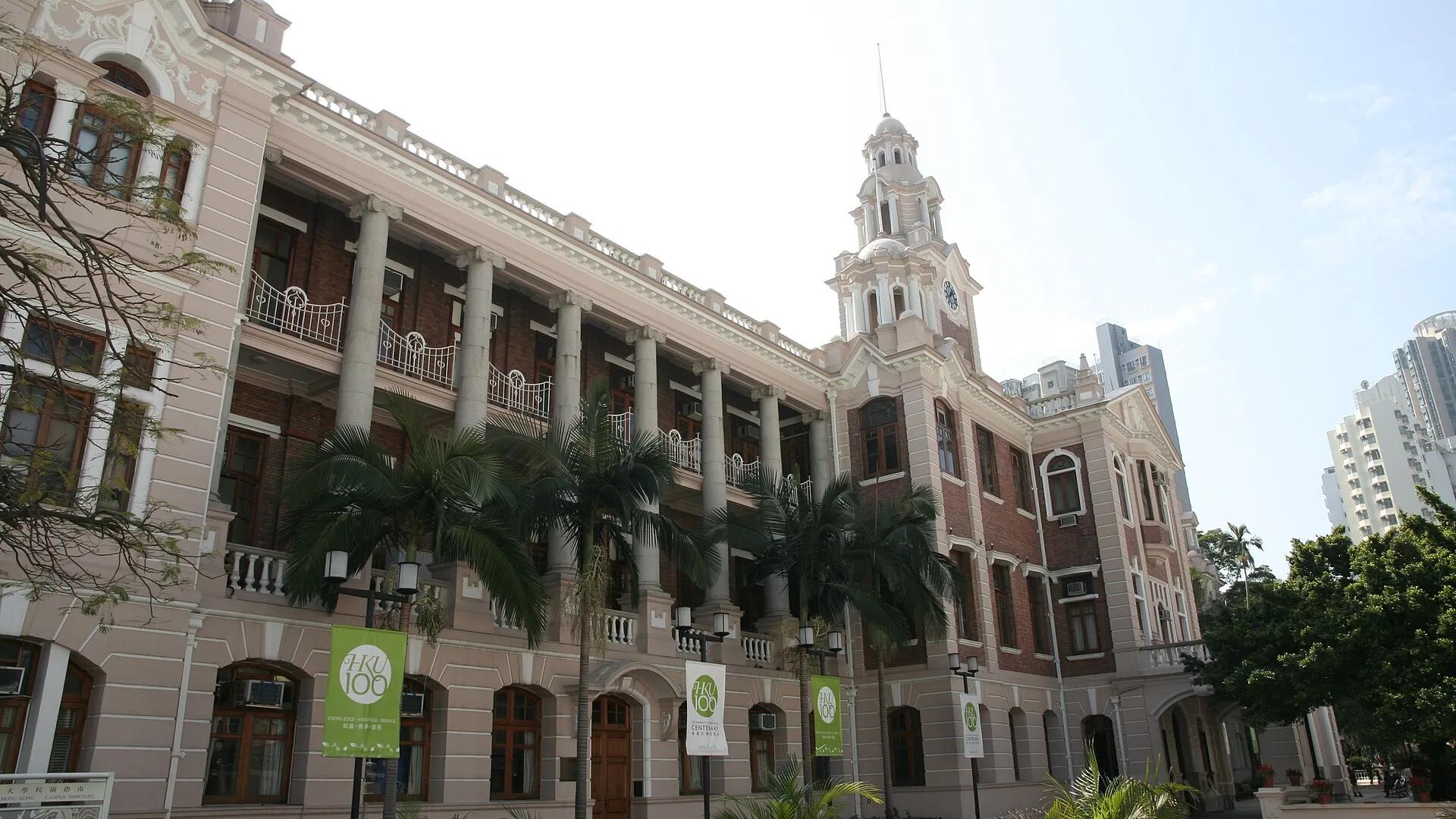
University of Hong Kong Interview Preparation
Master the interview process with expert tips, sample questions, and proven strategies from Dr. Karan Gupta
Interview Overview
The HKU MBA Interview: Asia's Premier Business School
HKU conducts a two-round interview process: an initial conversational round followed by a presentation round if shortlisted. This dual approach allows HKU to assess both your thinking and communication, plus your ability to structure and present ideas under pressure.
What makes HKU distinctive is its prestige (ranked among Asia's top business schools), location in Hong Kong (global financial hub), and emphasis on rigorous business analysis combined with global perspective. HKU attracts ambitious leaders from across Asia and globally. The interview assesses whether you have strong business acumen, whether you can communicate effectively, and whether you'll thrive in HKU's intellectually rigorous environment.
HKU values analytical thinking, clear communication, and genuine leadership potential. Your interview should demonstrate that you think rigorously about business problems, that you can articulate ideas clearly under pressure, and that you're ready for HKU's demanding program.
Because HKU uses a two-round format with a presentation component, preparation should focus on business acumen, communication skills, and ability to think on your feet while presenting ideas.
Interview Format
Format
Two-round interview: initial round + presentation round
Duration
First round: job interview style; Second round: presentation + discussion
Interviewers
Admissions staff and alumni; faculty members for presentation round
Interview Format Details
Interview Format Breakdown
Round 1: Initial Interview
Duration: Job interview style (conversational, typically 30-45 minutes). Conducted by admissions staff or alumni. Questions focus on background, motivation, goals, and thinking on business topics.
Round 2: Presentation Round (if shortlisted)
Format: Presentation on a business case or prompt provided beforehand, followed by discussion with faculty. Assesses ability to structure analysis, communicate ideas clearly, and defend thinking under questioning.
Interview Importance: HKU places greater emphasis on interviews than on essays—they believe personal interaction is best way to evaluate fit. Interviews are a critical admissions component.
Format & Location: Offered both in-person and virtually. Both formats valued equally.
Timeline: Decisions typically within 2-4 weeks after final round.
Interview Style & Expectations
Conversational initial interview; skills-based presentation
What HKU Looks For
Interview Questions: In-Depth Analysis
Common Interview Question Patterns
Round 1 (45%)
Background and career progression questions. Motivation for MBA and interest in HKU. Business thinking questions about trends or scenarios relevant to your background.
Round 2 (if shortlisted - 45%)
Business case presentation and faculty questioning assessing analytical thinking and communication under pressure.
Overall Assessment (10%)
General evaluation of communication clarity, business acumen, leadership potential, fit with HKU's rigorous program.
Sample Interview Questions
Background
Tell us about your career progression and key accomplishments.
Tip: Show logical progression and what you've learned at each stage.
Strategic Thinking
What business challenges or opportunities interest you most?
Tip: Show analytical thinking. If relevant, connect to Hong Kong or Asia context.
Motivation & Fit
Why MBA, and why HKU specifically?
Tip: Show specific understanding of HKU's strengths and how MBA serves your goals.
Business Acumen
Tell us about a time you analyzed a complex business problem.
Tip: Show your analytical approach and conclusions.
Regional Awareness
How do you see Hong Kong or Asia's business landscape evolving?
Tip: Show you follow trends and think about implications.
Presentation
[Round 2] Present your analysis of this business case.
Tip: Structure clearly. Show assumptions. Invite faculty questions. Engage naturally.
Preparation Strategy
Do's - Preparation Tips
- HKU values business analysis and strategic thinking—show rigor in your thinking
- In Round 1, be precise and analytical—avoid vague or generic answers
- Demonstrate awareness of Hong Kong and Asia if relevant to your goals
- If advancing to Round 2, practice case analysis and presentation skills
- In presentations, structure your thinking clearly and invite questions
- When questioned, engage thoughtfully and honestly—admit if you don't have all answers
- Remember HKU emphasizes interviews over essays—interview performance is critical
- Show leadership potential through examples of influence and development of others
Don'ts - Common Mistakes
- Not demonstrating business acumen—HKU values analytical rigor
- Rambling or unclear communication in either round
- Not showing understanding of Hong Kong or Asia context
- In presentation round: over-scripting instead of engaging naturally with faculty
- Defensiveness when questioned—humility and honest thinking matter more
- Generic 'why HKU' answers that don't show research
- Not being prepared for the two-round format
Comprehensive Preparation Guide
Preparing for Your HKU MBA Interview
1. Prepare for First Round (Job Interview Style)
Be ready to discuss: your career progression, accomplishments, lessons learned, MBA motivation, career goals, interest in HKU. Practice clear, concise answers. Have examples ready illustrating leadership, problem-solving, business acumen.
2. Develop Business Analysis Skills
Study business case frameworks: problem analysis, data interpretation, strategic thinking, recommendations. Review case interview resources. Be prepared to structure business problems logically. HKU values analytical rigor.
3. Clarify Your Strategic Goals
Be able to articulate: What business challenges interest you? Why leadership in Asia? Post-MBA vision? How does HKU position you? Your goals should show strategic thinking, not just personal advancement.
4. Understand Hong Kong & Asia Context
Research: Hong Kong's role as global financial hub, Asia's growth opportunities, relevant business trends, geopolitical context. Show awareness of regional dynamics if relevant to your goals.
5. Practice Presentation Skills
If you advance to Round 2, you'll present analysis or recommendations on a business case. Practice: structuring ideas clearly, presenting without being too scripted, explaining thinking, handling challenging questions. Practice with friends or mentors.
6. Prepare for Questioning Under Pressure
In presentation round, faculty will ask follow-up questions testing your thinking. Practice defending your analysis, acknowledging limitations, thinking on your feet. Confidence and honesty matter—admitting you don't know is better than inventing answers.
7. Show Business Acumen
Be ready to discuss business concepts, analyze situations strategically, show understanding of financial and operational thinking. HKU values candidates who think analytically about business problems.
Key Statistics
~45%
inviteRate
730
averageGMAT
3.7
averageGPA
220
classSize
60%
internationalStudents
5
avgYearsExperience
Student Success Stories
A Successful HKU MBA Interview
Candidate Profile: Finance professional from Hong Kong, 7 years experience in investment banking, interested in venture capital and emerging tech.
Interview highlights: Round 1: He articulated clear progression from banking (capital markets knowledge) to VC (growth-stage investing focus). When asked about emerging tech opportunity in Asia, he discussed fintech and e-commerce, showing understanding of market dynamics, regulatory environment, investment thesis. He was precise and analytical, not vague. In Round 2 (presentation): He received a case about expanding a SaaS company into Southeast Asia. His analysis showed structured thinking: market assessment, competitive landscape, revenue model implications, go-to-market strategy. He acknowledged assumptions and limitations. When questioned by faculty about risks, he engaged thoughtfully, not defensively.
Why he succeeded: He demonstrated strong business acumen and analytical thinking. He was precise and clear in communication. He showed Hong Kong/Asia context understanding. In presentation, he structured analysis logically and engaged thoughtfully with faculty questions. He didn't try to have all answers—instead, he showed honest analytical thinking.
Result: Admitted. Faculty noted: "Strong financial thinker. Clear communication. Will thrive in HKU's rigorous environment and excel in VC career."
Expert Interview Coaching

Dr. Karan Gupta's Interview Advice
Final Expert Advice from Dr. Karan Gupta
HKU's two-round interview process is rigorous because HKU truly believes personal interaction is the best way to evaluate whether you'll thrive in their demanding MBA. Treat interviews seriously as a critical admissions component.
Demonstrate business acumen through analytical thinking and strategic perspective. HKU wants leaders who can analyze complex problems rigorously, not just talk about business in general terms.
In the presentation round (if invited), practice case analysis and presentation skills. Clarity of communication and ability to structure ideas matter. Faculty will probe your thinking—show confidence in your analysis but humility about limitations.
Hong Kong is one of the world's best MBA locations—global financial hub, gateway to Asia, vibrant startup ecosystem. Show you understand and value this unique location for your career development.
Finally, remember that HKU's program is intellectually demanding. Your interview performance demonstrates whether you're ready for that rigor. Precise thinking and clear communication signal readiness.
Ready to Master Your Interview?
Practice with our AI Interview Coach and get real-time feedback on your responses.
Start AI Interview Practice