Supply Chain and Operations MBA Specialisation: Best Programs for Indian Students

Dr. Karan Gupta is a Harvard Business School alumnus and career counsellor with 27+ years of experience and 160,000+ students guided. His insights on MBA come from decades of hands-on experience helping students achieve their goals.
Why Supply Chain Is the MBA Specialisation of the Decade
The global supply chain disruptions of 2020-2023 did something that decades of academic advocacy couldn't: they made supply chain management visible to the C-suite. When container ships couldn't dock, semiconductor shortages halted automobile production, and grocery shelves went empty, CEOs suddenly realized that supply chain wasn't a back-office function — it was a strategic competitive advantage. That realization hasn't faded.
For Indian MBA students, this shift creates exceptional career opportunities. India sits at the center of several structural supply chain megatrends: manufacturing diversification away from China (the "China+1" strategy), growth of domestic e-commerce requiring last-mile logistics innovation, the Make in India initiative driving industrial supply chain development, and India's emergence as a global services and technology hub. Companies operating in and around India need MBA-caliber supply chain leaders who can navigate these complex, interconnected dynamics.
The numbers reflect the demand. Supply chain management roles have seen 15-20% salary growth since 2020, outpacing most other MBA specializations. The gap between demand for qualified supply chain leaders and available talent is widening, not narrowing. For strategic-minded MBA students who combine analytical skills with operational understanding, supply chain offers one of the strongest career trajectories available.
Top MBA Programs for Supply Chain and Operations
MIT Sloan School of Management
MIT Sloan is the undisputed leader in operations and supply chain management education. The school's operations research faculty includes pioneers in network optimization, inventory theory, and operations strategy. MIT's Center for Transportation and Logistics (CTL) conducts cutting-edge research and maintains partnerships with Amazon, Apple, Dell, Procter & Gamble, and dozens of other supply chain-intensive companies.
The MBA curriculum includes specialized electives in supply chain strategy, operations analytics, logistics systems, and sustainable operations. The capstone project allows students to work directly with companies on real supply chain challenges. MIT Sloan graduates in supply chain command starting salaries of USD 130,000-150,000, with placement at companies like Amazon, Apple, McKinsey, and Boston Consulting Group.
University of Michigan Ross School of Business
Michigan Ross has one of the strongest operations and supply chain programs among top MBA schools. The Tauber Institute for Global Operations — a joint program between the business school and engineering school — provides a dedicated supply chain focus with industry-sponsored projects and summer internships. The program places graduates at automotive companies (Ford, GM, Toyota), tech firms (Amazon, Google), and consulting firms with operations practices.
Penn State Smeal College of Business
Penn State Smeal's supply chain program is consistently ranked among the top 3 in the US by Gartner and US News. The Center for Supply Chain Research provides research and corporate partnerships, and the program's alumni network in supply chain management is exceptionally strong. For students who are laser-focused on supply chain careers and want deep industry connections, Smeal offers a specialized pathway that more generalist top-10 programs don't match.
Cranfield School of Management (UK)
In Europe, Cranfield is the supply chain and logistics equivalent of MIT — a smaller, highly specialized school with deep industry connections in procurement, logistics, and operations. The one-year MBA with a supply chain focus provides strong placement in European manufacturing, retail, and logistics companies. Cranfield's location near major UK distribution hubs provides practical exposure that campus-based programs in London or Oxford lack.
Rotterdam School of Management (RSM)
RSM's location in Rotterdam — home to Europe's largest port — provides a natural laboratory for supply chain education. The school's logistics and supply chain faculty conduct research in port operations, intermodal transport, and global trade flows. For Indian students interested in trade and logistics careers with European exposure, RSM offers a unique combination of academic rigor and physical proximity to global supply chain infrastructure.
What You'll Learn: Core Curriculum
Operations Strategy
Operations strategy connects supply chain decisions to business strategy. Topics include make-vs-buy decisions, capacity planning, vertical integration analysis, and the design of operations systems that create competitive advantages. This is the course that bridges the gap between "running operations efficiently" and "using operations as a strategic weapon."
Supply Chain Analytics
Modern supply chain management is data-intensive. MBA programs increasingly teach Python, SQL, and simulation tools alongside traditional spreadsheet analysis. Demand forecasting, inventory optimization, transportation network modeling, and supplier risk assessment all require quantitative skills that go beyond basic MBA analytics. Indian students with engineering backgrounds often find this the most natural part of the curriculum.
Procurement and Sourcing Strategy
Strategic sourcing — deciding what to buy, from whom, at what terms, and how to manage supplier relationships — is a critical supply chain function. MBA courses cover total cost of ownership analysis, supplier evaluation frameworks, contract negotiation, and the increasingly important topic of supply chain sustainability and ethical sourcing. Procurement leaders are among the highest-paid supply chain professionals.
Logistics and Distribution
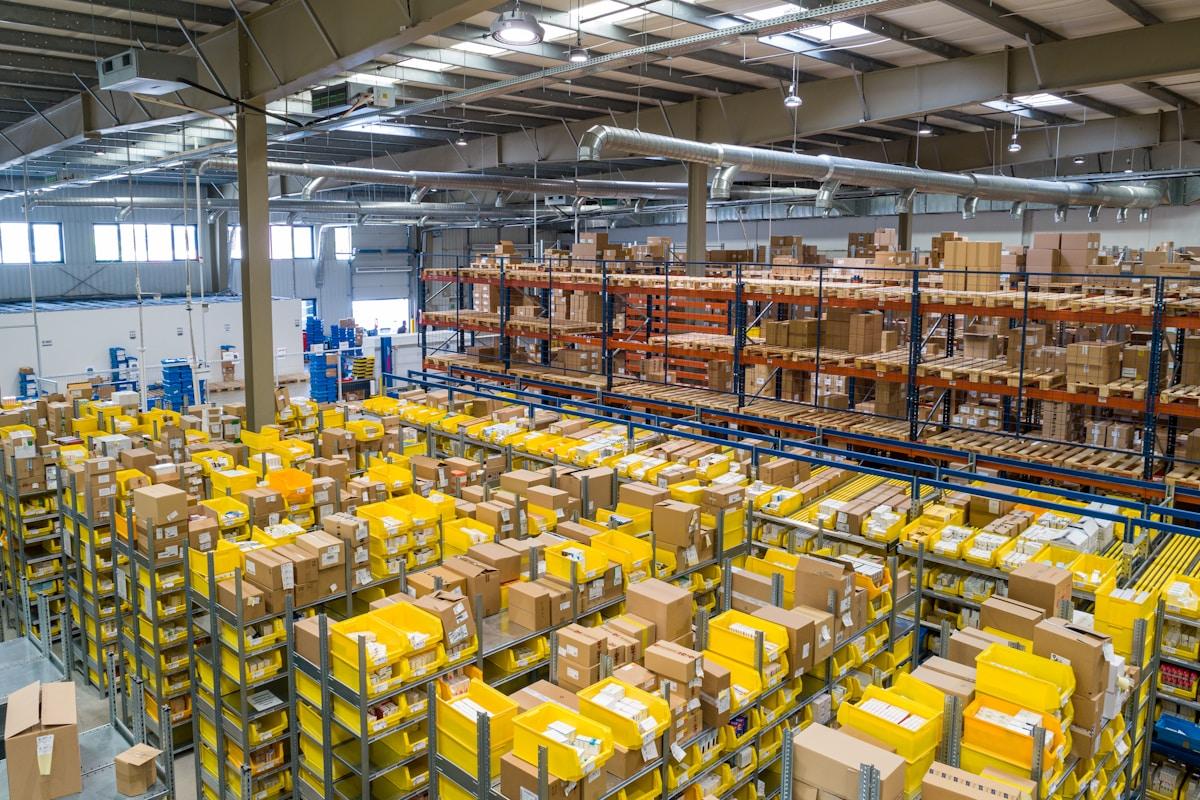
Physical logistics — warehousing, transportation, distribution network design — remains the operational backbone of supply chains. MBA courses cover network optimization, mode selection, inventory positioning, and the technology platforms (TMS, WMS) that manage logistics operations. E-commerce has dramatically increased the complexity and importance of last-mile logistics, creating new career paths that didn't exist a decade ago.
Career Paths After Supply Chain MBA
Consulting
McKinsey, BCG, Bain, and Kearney all have dedicated operations and supply chain practices that are growing faster than their strategy practices. Supply chain consultants earn USD 150,000-180,000 starting and work on projects ranging from manufacturing network redesign to procurement transformation to logistics optimization. Indian MBA graduates with technical backgrounds are particularly valued for quantitative supply chain consulting roles.
Technology Companies
Amazon, Apple, Google, Microsoft, and other tech giants are among the largest employers of supply chain MBA graduates. Amazon alone hires hundreds of MBA graduates annually for operations and supply chain roles, from fulfillment center management to global logistics strategy. Starting salaries at tech companies range from USD 130,000-160,000 plus stock options.
Manufacturing and CPG
Traditional manufacturing (automotive, industrial, electronics) and consumer packaged goods (P&G, Unilever, Nestlé) companies continue to be major employers of supply chain MBAs. These roles offer deep operational exposure, international assignments, and clear career paths to COO and CEO positions — supply chain experience is increasingly the most common background for manufacturing company CEOs.
Indian Market Opportunities
India's supply chain landscape is being transformed by e-commerce growth (Flipkart, Amazon India, Reliance Retail), infrastructure development (Dedicated Freight Corridors, Sagarmala port modernization), manufacturing expansion (PLI schemes attracting global manufacturers), and organized logistics growth (Delhivery, Rivigo, BlackBuck). MBA graduates with global supply chain training and Indian market understanding are in high demand — starting salaries of INR 25-40 lakh at top companies, with rapid progression.
The Supply Chain MBA vs. MS in Supply Chain Management
Some students consider a Master of Science in Supply Chain Management (offered by MIT, Michigan, Georgia Tech, and others) instead of an MBA with a supply chain focus. The MS is more technically focused, shorter (9-12 months), cheaper, and goes deeper into quantitative methods. The MBA is broader, develops general management skills alongside supply chain expertise, and provides access to a wider alumni network and career placement infrastructure.
For Indian students who are certain they want supply chain careers and have limited budgets, the MS may be more efficient. For those who want career flexibility — the ability to move into general management, consulting, or leadership roles that span beyond supply chain — the MBA's broader curriculum and stronger brand recognition provide more optionality. The ideal combination, for those who can afford it, is an engineering undergraduate degree, 3-5 years of operations experience, and then an MBA with supply chain electives.
Skills That Set You Apart
Beyond the MBA curriculum, supply chain leaders need: technology fluency (ERP systems, analytics platforms, IoT, blockchain for traceability), cross-cultural management (supply chains span countries and cultures), negotiation skills (procurement is fundamentally about negotiation), risk management (identifying and mitigating supply disruptions before they occur), and sustainability expertise (ESG compliance is now a supply chain function).
Indian MBA graduates bring natural advantages in several of these areas. The ability to manage complex projects across time zones and cultures — a daily reality in Indian IT and manufacturing — translates directly to global supply chain management. Quantitative skills from engineering backgrounds provide the analytical foundation. And familiarity with both developed and emerging market business practices creates the versatility that global supply chain roles demand.
Why Supply Chain and Operations MBA Specialisation Is Booming Post-COVID
The COVID-19 pandemic permanently elevated supply chain management from a back-office function to a C-suite priority. The semiconductor shortage that halted automotive production, the container shipping crisis that disrupted global trade, and the vaccine distribution logistics challenge all demonstrated that supply chain competence is a strategic competitive advantage. Companies are now investing heavily in supply chain talent — McKinsey reports that Chief Supply Chain Officer (CSCO) compensation has increased 30-40% since 2020, and supply chain MBA graduates are receiving 15-20% salary premiums over general management MBA counterparts.
Key employers for Operations/Supply Chain MBA graduates: Amazon (the world's most sophisticated logistics operation — Operations Manager roles start at $100,000-$130,000 with signing bonuses of $20,000-$50,000), Apple (supplier management — Cupertino and Shanghai), McKinsey Operations Practice and BCG's Operations group (consulting), Procter & Gamble (Cincinnati — one of the original supply chain management pioneers), Unilever (Rotterdam/London), Toyota (the birthplace of lean manufacturing), Tesla (Fremont/Austin — manufacturing operations), and logistics companies like Flexport, Maersk, and FedEx.
Best MBA Programs for Operations and Supply Chain
MIT Sloan (the birthplace of operations research — Professor Yossi Sheffi's Center for Transportation & Logistics is world-class), Kellogg (operations and supply chain faculty including Sunil Chopra, whose textbook is the industry standard), Michigan Ross (strong manufacturing and operations connections to Detroit automotive), Carnegie Mellon Tepper (operations research heritage from the GSIA tradition), and Indiana Kelley (supply chain consistently ranked #1 or #2 by Gartner/US News). In Europe, INSEAD (supply chain and operations electives with global case studies), Rotterdam School of Management (logistics hub of Europe — proximity to Europe's largest port), and Cranfield School of Management (UK — dedicated MSc in Logistics and Supply Chain Management) offer specialized programs.
Certifications that complement an MBA for Operations/Supply Chain careers: APICS CSCP (Certified Supply Chain Professional — the gold standard in supply chain certification, $1,500 exam fee), Lean Six Sigma Black Belt (demonstrates process improvement methodology), and PMP (Project Management Professional — relevant for manufacturing and logistics project leadership). These certifications combined with an MBA from a strong operations program make candidates virtually irresistible to supply chain employers.
The Future of Supply Chain Careers: Digital, Sustainable, and Resilient
Three mega-trends are reshaping supply chain careers and creating new specializations for MBA graduates. First, digital supply chains — AI-powered demand forecasting, blockchain for supply chain transparency, IoT sensors for real-time inventory tracking, and digital twin technology for supply chain simulation — are creating roles that combine operations expertise with data science and technology skills. MBA graduates who can bridge the gap between traditional supply chain management and digital transformation are commanding premium salaries at companies like Amazon, Walmart, and Procter & Gamble.
Second, sustainable supply chains — ESG reporting requirements, carbon footprint reduction, circular economy design, and ethical sourcing — are creating dedicated sustainability roles within supply chain organizations. Companies like Unilever, Patagonia, IKEA, and Apple have appointed Chief Sustainability Officers and built sustainability teams within their supply chain functions. MBA graduates with operations expertise and sustainability knowledge are increasingly sought after by these companies.
Third, supply chain resilience — near-shoring, multi-sourcing strategies, strategic inventory buffers, and geopolitical risk management — has become a board-level priority following the disruptions of 2020-2023. MBA graduates who understand how to design supply chains that balance efficiency with resilience are particularly valuable to companies that learned painful lessons from over-optimized, single-sourced supply chains during the pandemic. These strategic roles sit at the intersection of operations, strategy, and risk management — exactly where an MBA education provides the most value.
For Indian MBA graduates targeting supply chain careers abroad, the combination of strong quantitative skills from Indian engineering education, growing familiarity with Indian manufacturing ecosystems (a critical link in global supply chains), and MBA-level business acumen creates a uniquely competitive profile. India is the world's fifth-largest manufacturing economy, and Indian professionals who understand both the Indian supply base and Western demand markets are invaluable to companies managing complex global supply chains. This bridge-building capability — understanding both ends of the supply chain — is precisely what separates Indian supply chain MBA graduates from their peers in the international job market.
Explore Related Resources & Tools
Free tools and expert services from Karan Gupta Consulting
TAGS
Frequently Asked Questions
Which MBA programs are best for supply chain management?
What is the salary for MBA graduates in supply chain management?
Is supply chain management a good MBA specialization?
What skills do supply chain MBA graduates need?
Can I specialize in supply chain with a general MBA?
Why Choose Karan Gupta Consulting?
- 27+ years of expertise in overseas education consulting
- 160,000+ students successfully counselled
- Personal guidance from Dr. Karan Gupta, Harvard Business School alumnus
- Licensed MBTI® and Strong® career assessment practitioner
- End-to-end support from career clarity to visa approval
SHARE THIS ARTICLE

Dr. Karan Gupta
Founder & Chief Education Consultant
Harvard Business School alumnus and India's leading career counsellor with 27+ years guiding 160,000+ students to top universities worldwide. Licensed MBTI® practitioner. Managing Director of IE University (India & South Asia).