MBBS in Czech Republic for Indian Students: Charles University and Masaryk Guide

Dr. Karan Gupta is a Harvard Business School alumnus and career counsellor with 27+ years of experience and 160,000+ students guided. His insights on Study Abroad come from decades of hands-on experience helping students achieve their goals.
Czech Republic: Europe's Best-Kept Secret for Medical Education
When Indian families research MBBS abroad, Czech Republic rarely appears on the first page of their Google search. The conversation is usually dominated by Russia (cheapest), Hungary (well-known), UK (prestigious), and more recently, the Philippines and Kazakhstan (easiest admission). Czech Republic sits quietly in the background, and that is a shame -- because for students who care about the quality of their medical education rather than just getting a degree, Czech Republic offers arguably the strongest value proposition in continental Europe.
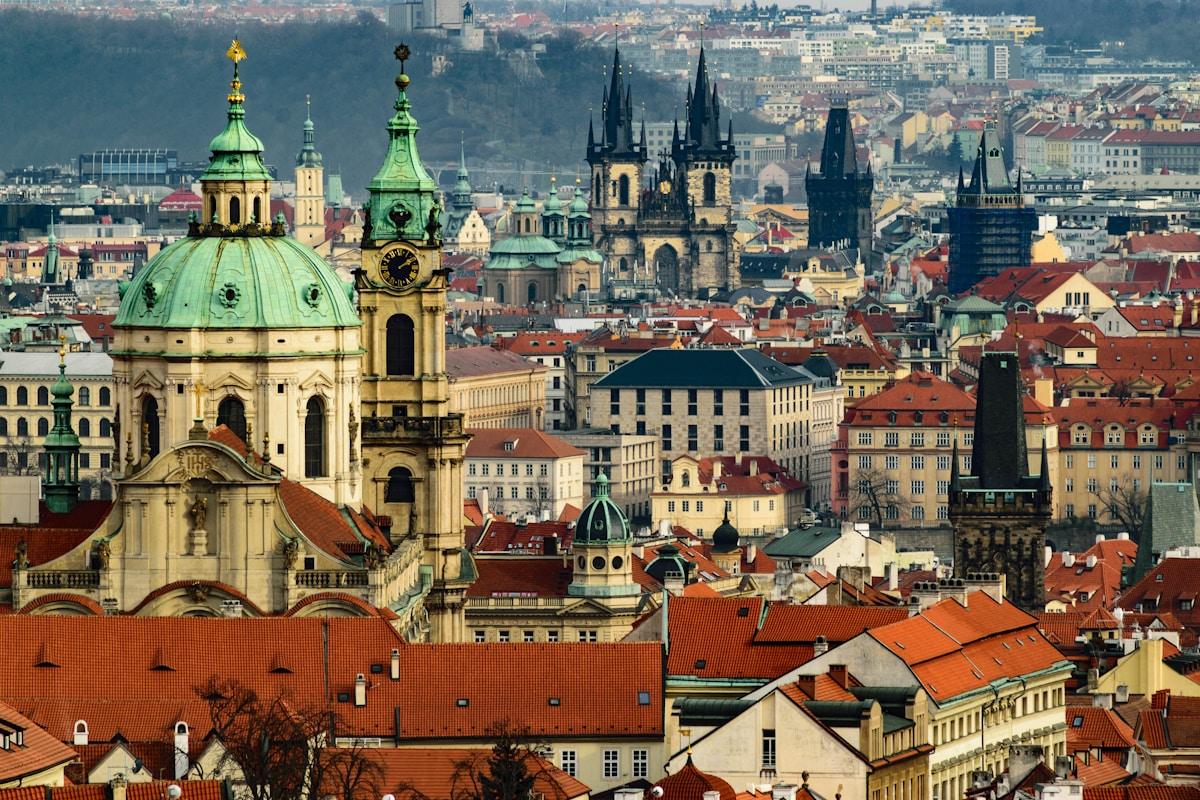
Charles University in Prague was founded in 1348. It is the oldest university in Central Europe and one of the oldest in the world. Its Faculty of Medicine has been teaching doctors for nearly 700 years. Masaryk University in Brno, while younger (founded 1919), has built a reputation for modern clinical facilities and innovative teaching methods. Both universities are NMC-recognised, WHO-listed, and produce graduates who successfully practise medicine across Europe, the US, and India.
This guide provides Indian students and parents with everything they need to evaluate Czech Republic as a medical education destination in 2026 -- no recruitment agent required.
Charles University, Prague
University Profile
Charles University has five medical faculties, three of which are located in Prague and offer English-taught programmes:
Free Tool
Study Abroad Cost Calculator
Get a personalised cost estimate for your country and course.
Try it free →- First Faculty of Medicine (1LF): The oldest and most prestigious. Located in central Prague near the Vltava River. Focuses on research-oriented medical education. Approximately 200 international students per intake year.
- Second Faculty of Medicine (2LF): Located in the Motol University Hospital complex. Known for strong paediatric and surgical training. Slightly smaller international cohort.
- Third Faculty of Medicine (3LF): Located near the Vinohrady University Hospital. Known for its emphasis on primary care and community medicine. Most diverse student body among the three Prague faculties.
Additionally, the Faculty of Medicine in Hradec Kralove and the Faculty of Medicine in Pilsen (both part of Charles University but in different cities) also offer English-taught programmes. These are smaller, less well-known, but often easier to get into and located in cheaper cities.
Tuition Fees (2025-2026 Academic Year)
| Faculty | Annual Tuition (CZK) | Annual Tuition (EUR) | Approximate INR |
|---|---|---|---|
| First Faculty of Medicine, Prague | 390,000 | 15,800 | 14,22,000 |
| Second Faculty of Medicine, Prague | 390,000 | 15,800 | 14,22,000 |
| Third Faculty of Medicine, Prague | 360,000 | 14,500 | 13,05,000 |
| Faculty of Medicine, Hradec Kralove | 360,000 | 14,500 | 13,05,000 |
| Faculty of Medicine, Pilsen | 360,000 | 14,500 | 13,05,000 |
The First and Second Faculties in Prague are the most expensive but also the most prestigious and best-equipped. For Indian students on a tighter budget, the Third Faculty in Prague or the faculties in Hradec Kralove and Pilsen offer the same Charles University degree at lower tuition and significantly lower living costs outside Prague.
The Curriculum: 6-Year Structure
Charles University's medical programme follows the traditional European model but with a distinctly Czech emphasis on early patient contact and integrated teaching:
| Year | Key Subjects | Notable Features |
|---|---|---|
| Year 1 | Anatomy, Histology, Embryology, Medical Chemistry, Biophysics, Czech Language | Cadaver dissection from Week 1. Anatomy is the heaviest subject -- failure rate is highest here. |
| Year 2 | Physiology, Biochemistry, Anatomy (continued), Immunology, Czech Language | Oral examinations begin. Physiology is often considered the most challenging subject in Year 2. |
| Year 3 | Pathology, Microbiology, Pharmacology, Pathophysiology, Introduction to Clinical Medicine | First patient contact. Students learn basic clinical examination skills. |
| Year 4 | Internal Medicine, Surgery, Paediatrics, Obstetrics and Gynaecology, Dermatology | Full clinical rotations begin. Hospital-based daily schedule. |
| Year 5 | Neurology, Psychiatry, Orthopaedics, ENT, Ophthalmology, Forensic Medicine | Specialty rotations. Students choose electives based on career interest. |
| Year 6 | State Examination subjects, Intensive Clinical Rotations, Thesis | Final state exams are comprehensive oral vivas covering all major fields. |
The Examination System: Why It Terrifies and Transforms Students
Czech medical schools are famous -- or notorious -- for their rigorous examination system. Unlike Indian medical colleges that rely heavily on written exams with MCQs, Czech universities primarily use oral examinations (colloquiums and rigorous state exams). Here is what this means in practice:
For a typical anatomy exam at Charles University's First Faculty, you arrive at the examination room, draw two random topics from a hat (out of approximately 200 possible topics), and have 20-30 minutes to prepare brief notes. You then sit across from a professor and explain both topics in detail for 15-20 minutes each. The professor asks follow-up questions to test depth. There is no hiding behind memorised bullet points -- you either understand the anatomy or you do not.
This system has a high failure rate in early years. At the First Faculty, approximately 20-30% of international students fail at least one exam in Year 1 (most commonly anatomy or histology). Retakes are allowed (typically 2 retakes per exam per semester), but each retake costs additional fees (approximately CZK 500-2,000) and the examiners are often stricter on retakes.
For Indian students accustomed to the MCQ-based NEET format, this transition is jarring. But it is also transformative -- students who survive the Czech examination system develop deep, communicable knowledge of medicine that serves them well in clinical practice and in oral components of licensing exams worldwide.
Masaryk University, Brno
University Profile
Masaryk University is located in Brno, Czech Republic's second-largest city (approximately 380,000 people). The Faculty of Medicine has been offering an English-taught General Medicine programme since 2005. While younger than Charles University's English programme, Masaryk has invested heavily in modern teaching facilities and clinical infrastructure.
Brno is a significant university city -- approximately 80,000 of its 380,000 residents are students across multiple universities. This gives the city a young, vibrant atmosphere while remaining significantly cheaper and more manageable than Prague.
Tuition and Costs
| Item | Annual Cost (CZK) | Annual Cost (EUR) | Approximate INR |
|---|---|---|---|
| Tuition | 340,000-370,000 | 13,800-15,000 | 12,42,000-13,50,000 |
| Accommodation (shared, monthly) | 8,000-12,000 | 325-490 | 29,250-44,100 |
| Food (monthly) | 5,000-8,000 | 200-325 | 18,000-29,250 |
| Transport (monthly) | 500-800 | 20-32 | 1,800-2,880 |
Total monthly living costs in Brno are approximately EUR 450-700 (INR 40,500-63,000), making it one of the most affordable medical study destinations in the EU.
Why Choose Masaryk Over Charles?
The choice between Masaryk and Charles University is not about quality -- both are excellent. It is about fit:
- Cost sensitivity: Masaryk in Brno is approximately 15-20% cheaper overall (tuition + living) compared to Charles in Prague
- Class size: Masaryk's English programme cohort is smaller (approximately 80-120 per year vs 200+ at Charles's First Faculty), which means more individual attention from professors
- City vibe: Brno is quieter, more walkable, and less touristy than Prague. Indian students who want fewer distractions and a more focused study environment often prefer Brno.
- Clinical facilities: The University Hospital Brno is modern and well-equipped. Lower student numbers mean better access to clinical training opportunities.
- Indian community: Smaller in Brno (approximately 50-80 Indian students across all years) compared to Prague (approximately 150-200+). This can be either a positive (forces integration) or a negative (less support network), depending on your personality.
Student Visa and Residence Permit
Indian students need a long-term student visa (Type D) for Czech Republic. The process is straightforward but time-consuming:
- Application: Submit at the Czech Embassy in New Delhi. Required documents include: acceptance letter, proof of accommodation, proof of financial means (minimum CZK 89,940 per year -- approximately EUR 3,650), travel health insurance, criminal background check, medical certificate, passport with 18+ months validity
- Processing time: 60-90 calendar days (apply early -- this is longer than most EU countries)
- Cost: Approximately CZK 2,500 (EUR 100)
- Residence permit: Must be obtained within 30 days of arrival at the local branch of the Ministry of Interior. Renewable annually.
- Schengen travel: Czech residence permit allows visa-free travel throughout the 26 Schengen countries during breaks
Important note: Czech visa processing times are among the longest in Europe. Indian students should apply for their visa immediately upon receiving their acceptance letter -- ideally by May-June for a September start. Late applications risk missing the start of the academic year.
Clinical Training Quality: The Czech Advantage
Czech Republic's clinical training quality deserves special attention because it is often the strongest argument for choosing Czech universities over cheaper alternatives in Russia, China, or the Philippines.
Teaching Hospitals
Czech teaching hospitals are fully EU-standard facilities. This means modern diagnostic equipment (MRI, CT, PET scans), electronic medical records, evidence-based treatment protocols, and patient safety standards that meet European norms. For Indian students, training in these environments prepares them for practice in any developed healthcare system.
Specific clinical training features include:
- Simulation centres: Both Charles and Masaryk have invested in high-fidelity simulation labs where students practise procedures (suturing, intubation, catheterisation, resuscitation) on mannequins before touching real patients
- Bedside teaching: Clinical rotations emphasise bedside teaching with patients, not just observation from the back of a ward round. Students are expected to examine patients, present cases, and defend their diagnostic reasoning
- Surgical exposure: Students assist in surgical procedures from Year 4 onwards. While primary operator experience is limited (as in most European programmes), the exposure to modern surgical techniques and equipment is valuable
- Research opportunities: Both universities have active research programmes. Students can participate in research projects from Year 3 onwards, which strengthens CVs for residency applications in the US, UK, or Europe
The Czech Language Factor
Czech is a Slavic language and is considered one of the harder European languages for Indian students to learn. However, the requirement is practical, not academic -- you need enough Czech to communicate with patients during clinical rotations, not to write literary essays.
Both Charles and Masaryk include compulsory Czech language courses in Years 1-3. By Year 4, students are expected to conduct basic medical interviews in Czech: asking about symptoms, medical history, allergies, and medications. Most Indian students who attend classes regularly and practise with Czech friends or language exchange partners achieve this level.
Students who skip or neglect Czech language classes face serious problems in clinical years. Some teaching hospitals will not allow students to participate in patient interactions without basic Czech proficiency, which can delay clinical rotation completion and even graduation.
FMGE Preparation: Czech-Specific Tips
Czech medical graduates have a significant advantage in FMGE preparation that many do not realise: the Czech oral examination system trains you to think about medicine in an integrated, applied way that is actually useful for MCQ-based exams like FMGE.
When you spend 20 minutes explaining the anatomy of the brachial plexus to a professor who asks probing questions, you develop a depth of understanding that makes MCQ questions on the same topic straightforward. The challenge is that FMGE is timed (300 questions in 150 minutes), so Czech graduates need to practise speed, not depth.
- Start from Year 3: Begin doing FMGE MCQ practice alongside your regular studies. Use PrepLadder, DAMS, or Bhatia question banks.
- Focus on speed: Your knowledge base from Czech training is likely strong. Your weak point will be answering 2 questions per minute. Practise timed mock tests weekly.
- Cover the syllabus systematically: FMGE covers 19 subjects. Map each against your Czech curriculum to identify gaps (some topics covered extensively in Indian MBBS may receive less emphasis in Czech programmes, and vice versa).
- Join an online FMGE study group: Connect with other Czech-trained Indian students preparing for FMGE. Group study helps identify blind spots and maintains motivation.
Living in Czech Republic: Practical Information
Banking and Money
Czech Republic uses the Czech Koruna (CZK), not the Euro. This is important because exchange rate fluctuations between INR and CZK can affect your budget. As of 2026, 1 EUR is approximately 24.5 CZK and 1 INR is approximately 0.27 CZK. Open a Czech bank account upon arrival (Fio Banka, CSOB, and Air Bank are popular with students -- Fio Banka often has the easiest process for international students). International transfers from India are cheapest through Wise (formerly TransferWise) rather than traditional bank transfers.
Healthcare
Health insurance is mandatory for all international students. Options include the public health insurance system (VZP -- approximately CZK 10,000-15,000 per year) or private insurance. VZP is recommended because it provides comprehensive coverage at Czech public healthcare facilities, including the university hospitals where you train.
Part-Time Work
Czech student visa holders can work up to 20 hours per week during term and full-time during breaks without a separate work permit. However, the same caveat as other countries applies: medical school is demanding, and part-time work should supplement, not fund, your education. Common student jobs include English tutoring (EUR 10-15/hour), restaurant work (EUR 6-8/hour), and online freelancing.
Food and Cooking
Prague has several Indian grocery stores (Namaste India, Indian Jewel, and others in the Vinohrady and Karlin districts). Brno has fewer options but still has Asian grocery stores with essential Indian staples. Online delivery services like Rohlik.cz deliver groceries including some Indian products. As with all European destinations, batch cooking Indian food is the most cost-effective and satisfying dietary strategy.
Comparing Czech Republic with Other MBBS Abroad Destinations
| Factor | Czech Republic | Hungary | Russia | Philippines |
|---|---|---|---|---|
| Total 6-year cost (INR) | 50-75L | 55-85L | 25-40L | 20-35L |
| NMC Recognition | Yes | Yes | Yes (select unis) | Yes (select unis) |
| Clinical training quality | Excellent (EU standard) | Excellent (EU standard) | Variable | Variable |
| Medium of instruction | English | English | English/Russian | English |
| Safety | Very high | High | Moderate | Moderate |
| EU travel access | Schengen (26 countries) | Schengen (26 countries) | No | No |
| Weather severity | Cold winters (-10C) | Cold winters (-15C) | Extreme (-30C) | Tropical (hot, humid) |
| FMGE alumni pass rate | Above average | Above average | Below average | Below average |
Final Verdict: Who Should Choose Czech Republic for MBBS?
Czech Republic is the right choice for Indian students who prioritise quality of medical education above all else. If you want EU-standard clinical training, a rigorous academic environment that will genuinely prepare you for medical practice, an internationally respected degree, and access to European lifestyle and travel -- and you can afford INR 50-75 lakhs over 6 years -- Czech Republic deserves serious consideration.
The ideal candidate has: a NEET score demonstrating medical aptitude (even if not high enough for a government seat in India), strong self-discipline and study habits (the Czech examination system is unforgiving to those who coast), willingness to learn Czech language to a functional level, and family financial stability to cover the full programme without excessive debt.
The student who should look elsewhere is one seeking the cheapest possible MBBS (Russia or the Philippines will be cheaper), one who cannot handle oral examination pressure (consider programmes with written exam formats), or one who does not plan to invest the effort in Czech language learning (clinical rotations will suffer).
Czech Republic will not hold your hand. It will challenge you, sometimes frustrate you, and demand more independent thinking than you are used to from the Indian education system. But it will produce a doctor who can hold their own anywhere in the world -- and that is what a medical degree should do.
Explore Related Resources & Tools
Free tools and expert services from Karan Gupta Consulting
TAGS
Frequently Asked Questions
Is MBBS from Czech Republic recognised by NMC India?
What is the total cost of MBBS in Czech Republic for Indian students?
What is the admission process for MBBS in Czech Republic?
How does the Czech medical degree compare to Indian MBBS?
Is it safe for Indian students to live in Czech Republic?
Why Choose Karan Gupta Consulting?
- 27+ years of expertise in overseas education consulting
- 160,000+ students successfully counselled
- Personal guidance from Dr. Karan Gupta, Harvard Business School alumnus
- Licensed MBTI® and Strong® career assessment practitioner
- End-to-end support from career clarity to visa approval
SHARE THIS ARTICLE

Dr. Karan Gupta
Founder & Chief Education Consultant
Harvard Business School alumnus and India's leading career counsellor with 27+ years guiding 160,000+ students to top universities worldwide. Licensed MBTI® practitioner. Managing Director of IE University (India & South Asia).