Anatomy and Physiology Prerequisites: What Indian Students Must Study Before Medical School Abroad

Dr. Karan Gupta is a Harvard Business School alumnus and career counsellor with 27+ years of experience and 160,000+ students guided. His insights on Study Abroad come from decades of hands-on experience helping students achieve their goals.
Why Anatomy Prerequisites Matter for MBBS Abroad
One of the biggest academic shocks Indian students face when starting MBBS at a foreign university is the assumed baseline knowledge. Indian students who studied under CBSE, ICSE, or state boards cover biology at a level that may not fully prepare them for the rigorous anatomy, physiology, and biochemistry courses that begin in the first week of medical school abroad. Unlike Indian medical colleges where the first semester eases students in, many European and Asian medical schools begin with detailed gross anatomy and histology from day one.
This gap is not about intelligence — it is about preparation. Students who arrive having done pre-reading and self-study in key foundational subjects consistently outperform those who assume their Class 12 knowledge is sufficient. This article provides a detailed guide on what Indian students should study before arriving at their medical school abroad.
Core Subjects You Must Strengthen Before Medical School
Human Anatomy
Anatomy is the cornerstone of medical education and the subject that causes the most attrition among first-year students abroad. Indian Class 12 biology covers organ systems at a conceptual level, but medical school anatomy demands three-dimensional understanding of structures, their relationships, blood supply, innervation, and clinical correlations.
Before arriving, Indian students should familiarise themselves with the following at a basic level:
Free Tool
Free Profile Evaluation
Get an honest AI assessment of your study-abroad profile in 2 minutes.
Try it free →- Upper limb anatomy: bones (humerus, radius, ulna), major muscles (biceps, triceps, rotator cuff), brachial plexus, blood supply (brachial artery and branches)
- Lower limb anatomy: bones (femur, tibia, fibula), major muscle compartments, sciatic nerve, femoral triangle
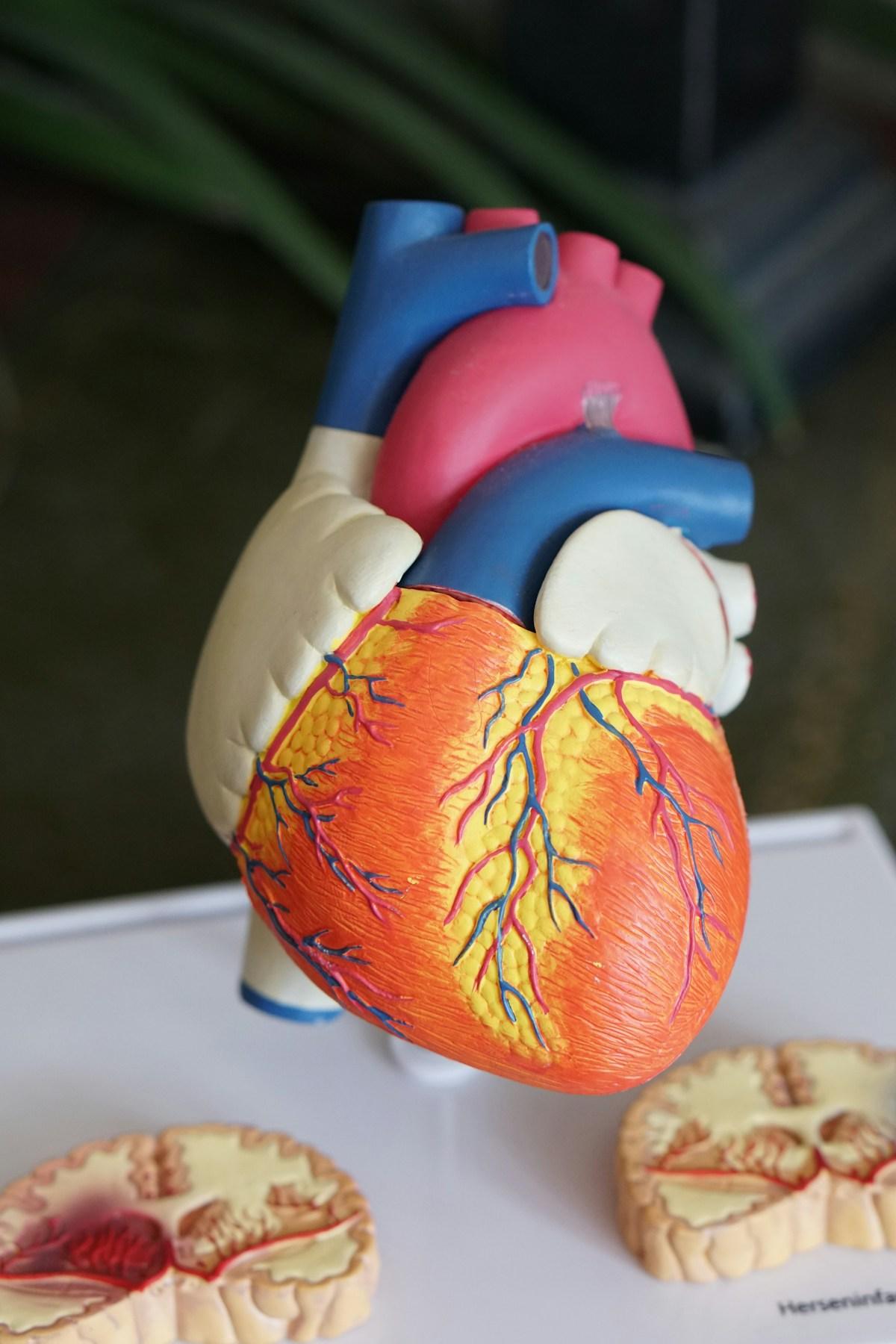
- Thorax: heart chambers and valves, lungs and pleura, mediastinum, major vessels (aorta, vena cava)
- Abdomen: GI tract organs, liver, kidneys, peritoneal cavity organisation
- Head and neck: cranial nerves (at least names and numbers), major neck triangles, eye and ear basic anatomy
The best pre-reading resource is Snell's Clinical Anatomy by Regions — read the introductory sections of each region. Do not try to memorise details; focus on understanding spatial relationships. Watch 3D anatomy videos on platforms like Kenhub or Visible Body to build visual understanding.
Human Physiology
Physiology at the medical school level goes far beyond what Class 12 biology covers. Indian students should strengthen their understanding of:
- Cardiovascular physiology: cardiac cycle, ECG basics, blood pressure regulation, Frank-Starling law
- Respiratory physiology: gas exchange, ventilation-perfusion matching, oxygen dissociation curve
- Renal physiology: nephron structure and function, GFR, tubular reabsorption, acid-base balance
- Neurophysiology: action potentials, synaptic transmission, motor and sensory pathways
- Endocrine system: hypothalamic-pituitary axis, thyroid regulation, insulin and glucose homeostasis
Guyton's Textbook of Medical Physiology is the standard reference. For pre-reading, focus on the introductory chapters of each system. Costanzo's Physiology is a more approachable alternative with excellent diagrams.
Biochemistry
Medical biochemistry is dramatically different from Class 12 chemistry. The focus shifts entirely to metabolic pathways, enzyme kinetics, molecular biology, and clinical correlations. Key areas to pre-study include:
- Amino acids and proteins: classification, peptide bonds, protein structure levels
- Enzyme kinetics: Michaelis-Menten equation, enzyme inhibition types
- Carbohydrate metabolism: glycolysis, TCA cycle, electron transport chain, gluconeogenesis
- Lipid metabolism: fatty acid oxidation, ketogenesis, cholesterol synthesis basics
- Molecular biology: DNA replication, transcription, translation, gene expression regulation
Harper's Illustrated Biochemistry is the standard text. For pre-reading, Lippincott's Illustrated Reviews: Biochemistry offers a more visual and accessible introduction.
How Foreign Medical Curricula Differ from Indian Expectations
European Medical Schools
European medical schools (Romania, Czech Republic, Hungary, Poland, Germany) typically begin with anatomy dissection in the first or second week of classes. Students are expected to identify structures on cadavers within the first month. The pace is fast, and examinations — often oral — test deep understanding, not rote memorisation.
European schools also integrate histology (microscopic anatomy) with gross anatomy from the start. Indian students often struggle with histology because it is barely covered in Class 12. Pre-studying basic tissue types (epithelial, connective, muscle, nervous) and learning to identify them under a microscope is extremely helpful.
Russian and CIS Medical Schools
Medical schools in Russia, Kazakhstan, Uzbekistan, and other CIS countries follow the Soviet-era medical curriculum, which places heavy emphasis on anatomy and physiology in years 1-2. The teaching style is traditional — extensive lectures and practical sessions. Russian medical schools often test with both written and oral formats. The histology and embryology requirements are particularly demanding.
Philippines and Caribbean Medical Schools
These schools typically follow a US-inspired curriculum with more integration between basic sciences and clinical skills from the early years. Problem-based learning (PBL) is common, where students work through clinical cases to learn anatomy and physiology in context. Indian students find this approach different from the lecture-heavy teaching they experienced in school.
Pre-Medical Preparation Resources
| Subject | Recommended Textbook | Online Resource | Time Needed |
|---|---|---|---|
| Anatomy | Snell's Clinical Anatomy | Kenhub, Visible Body, Anatomy Zone (YouTube) | 3-4 months |
| Physiology | Costanzo's Physiology | Ninja Nerd (YouTube), Osmosis | 2-3 months |
| Biochemistry | Lippincott's Illustrated Reviews | Lecturio, AK Lectures (YouTube) | 2-3 months |
| Histology | Junqueira's Basic Histology | Histology Guide (histologyguide.com) | 1-2 months |
| Medical Terminology | Medical Terminology for Dummies | Free courses on Coursera/edX | 1 month |
Medical Terminology: The Unspoken Prerequisite
Indian students often underestimate how important medical terminology is from day one. Terms like "proximal", "distal", "anterior", "posterior", "medial", "lateral", "superior", "inferior", "superficial", and "deep" are used in every anatomy class. Similarly, understanding prefixes (hyper-, hypo-, tachy-, brady-, poly-, oligo-) and suffixes (-itis, -osis, -ectomy, -otomy, -plasty) allows you to decode unfamiliar terms quickly.
Spend at least 2-3 weeks before departure mastering anatomical position terminology, directional terms, and common medical word roots. This investment pays dividends immediately when classes start.
Country-Specific Preparation Tips
For Students Going to Russia or CIS Countries
- Invest extra time in anatomy — Russian schools have demanding anatomy exams with practical components
- Learn basic Russian alphabet and numbers (even if the programme is in English, daily life requires some Russian)
- Familiarise yourself with the metric system for all measurements (vital signs, drug doses)
For Students Going to EU Countries (Romania, Czech Republic, Hungary, Poland)
- Focus on histology — EU schools start histology early and exam extensively
- Practice scientific writing in English — lab reports and case presentations are expected from year 1
- Review basic organic chemistry (especially functional groups and stereochemistry) as European biochemistry courses expect stronger chemistry foundations
For Students Going to Philippines or Caribbean
- Practice problem-based learning — watch case discussion videos to understand the PBL format
- Strengthen clinical reasoning skills — these programmes integrate clinical thinking early
- Review basic statistics and evidence-based medicine concepts
Building Good Study Habits Before You Leave
Medical school abroad is a marathon, not a sprint. The students who succeed are not necessarily the most brilliant but the most disciplined and consistent. Indian students can start building good habits months before departure.
- Active recall: Instead of re-reading notes, test yourself regularly. Use Anki flashcards — the medical student community has extensive pre-made Anki decks for anatomy, physiology, and biochemistry.
- Spaced repetition: Review material at increasing intervals rather than cramming. This is especially important for anatomy, where the volume of information is enormous.
- Group study: Find other Indian students heading to the same university and form online study groups before you arrive. WhatsApp and Telegram groups are excellent for this.
- Daily study schedule: Aim for 4-6 hours of focused study per day during pre-departure preparation. This simulates the study load you will face in medical school.
- Physical fitness: Medical school is physically and mentally demanding. Start a regular exercise routine before departure — even 30 minutes of walking or yoga daily makes a significant difference in managing stress.
What Your Class 12 Biology Does and Does Not Cover
It is helpful to understand exactly where Class 12 biology ends and medical school begins.
| Topic | Class 12 Level | Medical School Level |
|---|---|---|
| Heart | 4 chambers, valves, blood flow direction | Cardiac cycle timing, coronary arteries, conducting system, ECG interpretation, heart sounds, clinical correlations (MI, heart failure) |
| Kidneys | Nephron structure, urine formation basics | GFR calculation, tubular transport mechanisms, acid-base physiology, renin-angiotensin system, clinical correlations (renal failure, dialysis) |
| Nervous System | Neuron structure, reflex arc, brain regions | Ion channel physiology, synaptic transmission mechanisms, motor/sensory pathway tracing, cranial nerve examination, clinical correlations (stroke, neuropathy) |
| Genetics | Mendelian inheritance, DNA structure | Molecular biology of gene expression, epigenetics, genetic disorders, pharmacogenomics, cancer genetics |
A 3-Month Pre-Departure Study Plan
Month 1: Foundations
- Master anatomical terminology and directional terms
- Read introductory chapters of Snell's Anatomy (general anatomy, skeletal system overview)
- Review Class 12 biology with a medical lens — focus on understanding mechanisms, not memorising facts
- Start Anki flashcards for anatomy terminology
Month 2: Systems Overview
- Study upper and lower limb anatomy at an introductory level
- Read cardiovascular and respiratory physiology from Costanzo
- Begin biochemistry pre-reading: amino acids, enzyme basics, glycolysis
- Start learning basic histology: 4 tissue types, how to read microscope slides
Month 3: Integration and Practice
- Study thorax and abdomen anatomy overview
- Complete renal and neurophysiology pre-reading
- Finish biochemistry basics through TCA cycle
- Practice with past exam papers from your target university (available from senior students)
- Review and strengthen weak areas identified through self-testing
Final Advice
The goal of pre-departure preparation is not to learn everything before you arrive — that is impossible and unnecessary. The goal is to reduce the gap between what you know and what the university assumes you know. Students who arrive with a basic grasp of anatomical terminology, organ system layouts, and metabolic pathway overviews consistently report less stress, better exam performance, and greater confidence in their first semester. The 3-month investment in self-study before departure is arguably the highest-ROI time you will spend in your entire medical education journey.
Subject-Specific Preparation Strategies
Anatomy: Building a 3D Mental Map
Anatomy is the foundation of medical education, and strong anatomical knowledge before medical school provides an enormous advantage. The key challenge: anatomy requires memorizing thousands of structures, their relationships, and their clinical significance — rote memorization alone is insufficient. Effective anatomy preparation combines multiple modalities: textbook study (Gray's Anatomy for Students by Drake et al. is the gold standard for medical students — more accessible than the comprehensive Gray's Anatomy), atlas work (Netter's Atlas of Human Anatomy or Rohen's Color Atlas of Anatomy for photographic specimens), 3D visualization (Complete Anatomy app or Visible Body — these digital tools allow you to rotate, dissect, and annotate anatomical structures in 3D), and practice with clinical correlations (understanding why anatomy matters for diagnosis and surgery).
Focus your pre-medical school anatomy preparation on: the musculoskeletal system (bones, joints, muscles — the largest volume of anatomical content and the foundation for understanding movement and surgical access), neuroanatomy (brain structures, spinal cord, peripheral nerves — universally considered the most challenging anatomy topic), and cardiovascular anatomy (heart chambers, valves, great vessels, coronary circulation). These three areas constitute approximately 60-70% of anatomy examination content and provide the framework for understanding other systems.
Physiology: Understanding Mechanisms, Not Just Facts
Physiology is where Indian students with strong science backgrounds have a natural advantage — the subject is mechanism-based and mathematical, rewarding analytical thinking over pure memorization. Guyton and Hall's Textbook of Medical Physiology is the definitive resource; BRS Physiology by Linda Costanzo provides a more concise review format. Key areas to prepare: cardiovascular physiology (cardiac cycle, blood pressure regulation, hemodynamics — the single most high-yield physiology topic), renal physiology (nephron function, electrolyte balance, acid-base physiology — notoriously difficult for many students), and respiratory physiology (gas exchange, ventilation-perfusion matching, control of breathing).
Online resources for physiology preparation: Ninja Nerd Science (YouTube — excellent animated physiology lectures), Osmosis (subscription platform with spaced-repetition flashcards), and Khan Academy's MCAT preparation materials (covers all prerequisite physiology). The MCAT physiology content, while designed for US pre-med students, aligns closely with the prerequisite knowledge expected at international medical schools.
Biochemistry: The Molecular Foundation
Biochemistry connects basic sciences to clinical medicine through metabolic pathways, enzyme kinetics, molecular genetics, and nutrition. For international medical schools, prerequisite biochemistry typically covers: amino acid structure and protein chemistry, enzyme kinetics (Michaelis-Menten, allosteric regulation), carbohydrate metabolism (glycolysis, Krebs cycle, gluconeogenesis, glycogen metabolism), lipid metabolism (fatty acid synthesis and oxidation, cholesterol metabolism), and molecular biology basics (DNA replication, transcription, translation). Harper's Illustrated Biochemistry and Lippincott's Illustrated Reviews: Biochemistry are the standard references. Focus on understanding metabolic pathways conceptually — knowing why each pathway exists and what happens when it malfunctions — rather than memorizing every enzyme and intermediate.
Explore Related Resources & Tools
Free tools and expert services from Karan Gupta Consulting
Frequently Asked Questions
Is Class 12 biology enough preparation for MBBS abroad?
Which anatomy textbook should I study before MBBS abroad?
How important is biochemistry preparation before medical school?
Do I need to learn the local language before going for MBBS abroad?
What is the biggest academic challenge for Indian students in MBBS abroad?
Why Choose Karan Gupta Consulting?
- 27+ years of expertise in overseas education consulting
- 160,000+ students successfully counselled
- Personal guidance from Dr. Karan Gupta, Harvard Business School alumnus
- Licensed MBTI® and Strong® career assessment practitioner
- End-to-end support from career clarity to visa approval
SHARE THIS ARTICLE

Dr. Karan Gupta
Founder & Chief Education Consultant
Harvard Business School alumnus and India's leading career counsellor with 27+ years guiding 160,000+ students to top universities worldwide. Licensed MBTI® practitioner. Managing Director of IE University (India & South Asia).