Freshman Dorm Life Abroad: What Indian Students Should Expect in University Housing

Dr. Karan Gupta is a Harvard Business School alumnus and career counsellor with 27+ years of experience and 160,000+ students guided. His insights on Undergraduate come from decades of hands-on experience helping students achieve their goals.
Freshman Dorm Life Abroad: What Indian Students Should Expect in University Housing
Moving into a university dormitory in a foreign country is one of the most transformative experiences an Indian student will ever have. It is also one of the most anxiety-inducing. You are leaving behind the comfort of home-cooked meals, the familiarity of your own room, and the support system you have built over eighteen years. In its place, you are stepping into a shared living space with strangers from different cultures, navigating unfamiliar food systems, and learning to be independent in ways you never imagined.
This guide is designed to prepare you thoroughly for that transition. Whether you are heading to the United States, the United Kingdom, Canada, Australia, or Germany, understanding what dorm life actually looks like will help you settle in faster and make the most of your freshman year.
Understanding the Types of Dorm Rooms Available
University housing comes in several configurations, and the type you get depends on the country, the university, and sometimes the luck of the draw during room allocation. Knowing what to expect from each type helps you make informed choices during the housing application process.
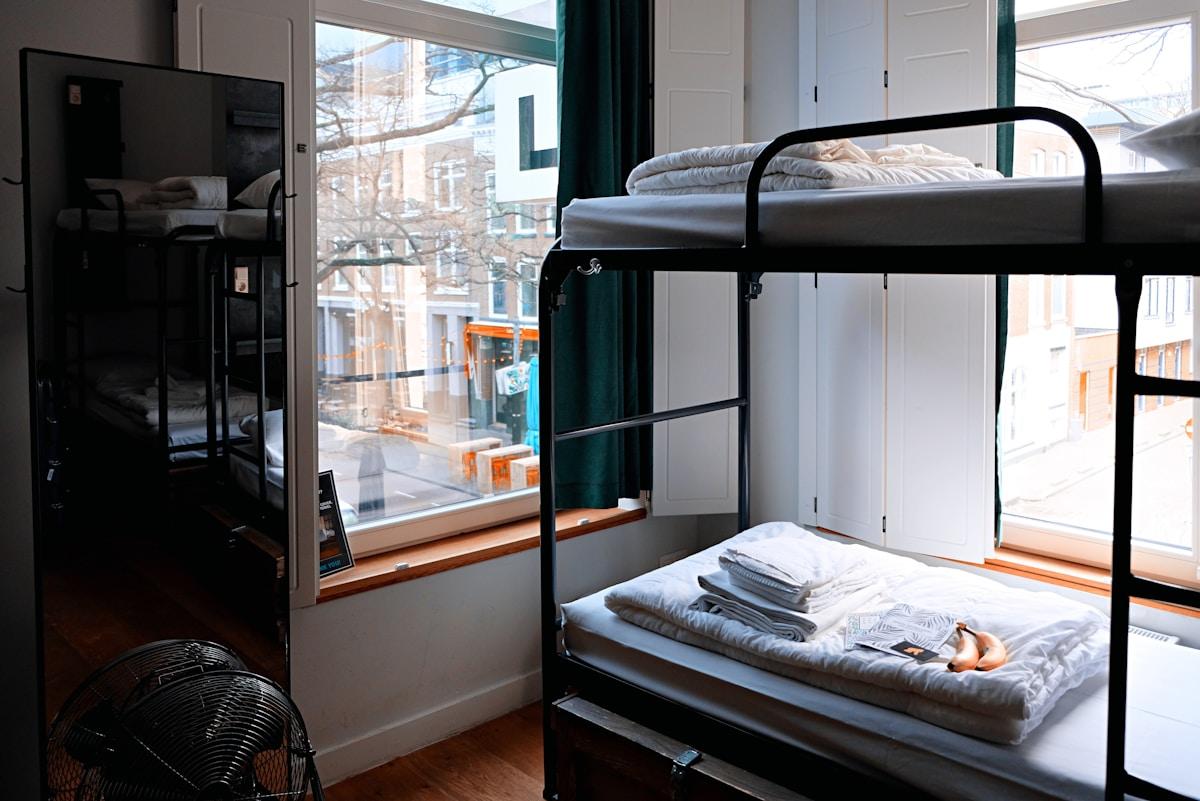
The most common arrangement in the United States is the shared double room, where two students share a single room with two beds, two desks, and two closets. This is the standard freshman experience at schools like the University of Michigan, UCLA, and NYU. You will share roughly 150 to 200 square feet with another person, which is significantly less space than most Indian students are accustomed to. The adjustment requires patience, clear communication with your roommate, and a willingness to compromise on things like sleep schedules, noise levels, and visitors.
Free Tool
Study Abroad Cost Calculator
Get a personalised cost estimate for your country and course.
Try it free →Single rooms are available at many universities but are often more expensive and sometimes reserved for upperclassmen. In the UK, however, single rooms are the norm. Universities like the University of Edinburgh, University of Manchester, and Imperial College London typically offer single en-suite rooms in halls of residence, where you have your own bedroom and bathroom but share a kitchen with a cluster of eight to twelve students. This arrangement gives you more privacy while still fostering community through shared cooking spaces.
Suite-style rooms represent a middle ground. In this setup, two to four students each have their own bedroom but share a common bathroom and sometimes a small living area. This is increasingly popular at universities like Boston University and the University of Toronto. It offers more personal space than a traditional double while encouraging social interaction through shared facilities.
Apartment-style dorms are the most independent option. These function like small apartments with a full kitchen, living room, and individual or shared bedrooms. They are more common in Australia, where universities like the University of Melbourne and University of Sydney offer purpose-built student apartments. This style suits Indian students who want to cook their own meals regularly but still live within the university housing system.
The Meal Plan System: Navigating Food as an Indian Student
For many Indian students, food is the single biggest adjustment in dorm life. The meal plan system, particularly in the US, can feel overwhelming and sometimes alienating if you are vegetarian, follow specific dietary practices, or simply crave the flavours of home.
In the United States, most freshman housing requires you to purchase a meal plan. These typically range from 10 to 21 meals per week, with declining balance dollars that can be spent at campus cafes and restaurants. A standard unlimited meal plan at a public university costs between $4,000 and $6,000 per year. Private universities in major cities can charge $7,000 or more. The dining halls usually operate buffet-style with multiple stations: a salad bar, a grill station, a pasta station, an international food station, and often a dedicated vegetarian or vegan section.
The quality and variety of vegetarian options vary enormously between universities. Schools with large Indian student populations, such as Purdue University, the University of Illinois at Urbana-Champaign, and Georgia Tech, tend to have better South Asian food options. Some even have dedicated Indian food stations with dal, rice, paneer dishes, and rotis. Smaller colleges in rural areas may have limited options, making it important to research dining facilities before committing to a university.
In the UK, meal plans are less common. Most halls of residence provide self-catered accommodation, meaning you cook your own meals in the shared kitchen. This is actually a significant advantage for Indian students who want to maintain their dietary preferences. You can buy Indian groceries from local shops, and cities like London, Birmingham, Manchester, and Leicester have extensive Indian grocery stores. A typical weekly food budget in the UK ranges from GBP 30 to GBP 50 if you cook most meals at home.
Australian universities similarly lean toward self-catered accommodation, with on-campus housing featuring shared kitchens. Canadian universities offer a mix of meal plan and self-catered options. German student housing almost always comes with kitchen access, and the Mensa (university cafeteria) offers affordable meals at EUR 2 to EUR 4 per meal, often with vegetarian options.
Regardless of the country, here are practical tips for managing food in dorm life. Learn five to seven simple recipes before you leave India. Invest in a good rice cooker if your dorm allows small appliances. Bring a basic Indian spice kit including turmeric, cumin, red chilli powder, garam masala, and mustard seeds. Connect with senior Indian students who can tell you where to find Indian grocery stores near campus. And do not underestimate the social power of cooking Indian food for your dormmates. It is one of the fastest ways to build friendships across cultures.
Roommate Culture: What Indian Students Need to Know
The concept of sharing a room with a complete stranger is not unique to studying abroad, but the cultural dynamics make it a distinctly different experience when your roommate is from another country. Understanding roommate culture and expectations is crucial for a smooth freshman year.
In the US, many universities use roommate matching questionnaires that ask about your sleep schedule, study habits, cleanliness preferences, and social tendencies. Some universities let you find your own roommate through platforms like RoomSync or Facebook groups for incoming freshmen. If you have a strong preference for a roommate from a similar cultural background, these platforms can help, but keeping an open mind about living with someone from a different background is one of the most valuable aspects of studying abroad.
Communication is the foundation of a good roommate relationship. Have an honest conversation in the first week about expectations. Discuss sleep and wake times, guests and visitors, noise and music preferences, sharing of food and belongings, and cleaning responsibilities. Many universities provide roommate agreement templates that guide this conversation. Take it seriously rather than treating it as a formality.
Cultural differences that commonly surprise Indian students include the level of personal space expected in Western cultures, different attitudes toward privacy and boundaries, the expectation that you will handle conflicts directly rather than avoiding them, and different standards for what constitutes a clean room. Indian students often come from households where personal space is more fluid, where conflicts are mediated by elders rather than addressed directly, and where the definition of tidy may differ from their roommate's expectations.
If issues arise, residence advisors (RAs) are trained to help mediate roommate conflicts. Do not let small irritations build up into major resentments. Address problems early, directly, and with a focus on finding mutually acceptable solutions. If the situation becomes truly untenable, most universities allow room changes after the first few weeks of the semester.
Dealing with Homesickness: Strategies That Actually Work
Homesickness is not a weakness. It is a natural response to being separated from everything familiar, and it affects almost every international student to some degree. The Indian students who thrive abroad are not the ones who never feel homesick. They are the ones who develop effective strategies for managing it.
The first two to three weeks are typically the hardest. The excitement of arrival fades, the reality of daily life sets in, and festivals like Diwali, Ganesh Chaturthi, or Navratri can trigger intense waves of longing for home. Acknowledge these feelings rather than suppressing them. Call your family, talk to friends who understand, and give yourself permission to miss home without treating it as a sign that you made the wrong decision.
Establishing a routine is one of the most effective antidotes to homesickness. When your days have structure, including classes, study sessions, meals, exercise, and social activities, there is less empty time for loneliness to fill. Join at least two or three clubs or organisations in your first semester. The Indian Students Association is an obvious starting point, but also join something unrelated to your cultural background: a hiking club, a debate team, a volunteer organisation, or an intramural sports league. These connections give you a broader support network and a sense of belonging that extends beyond the Indian community.
Keep familiar comfort items in your dorm room. A photograph of your family, a small item from home, your favourite Indian snacks, or even a playlist of familiar music can provide surprising comfort during difficult moments. Some students find that establishing a regular video call schedule with family, say every Sunday evening, provides a reliable anchor point in their week.
If homesickness persists beyond the first month or begins interfering with your academics, sleep, or daily functioning, seek help from your university's counselling services. These services are free, confidential, and staffed by professionals who have extensive experience working with international students. There is absolutely no shame in using them.
Housing Costs by Country: A Detailed Breakdown
Understanding the financial dimension of university housing is essential for planning your study abroad budget. Costs vary dramatically by country, city, and type of accommodation.
In the United States, on-campus housing for freshmen typically costs between $8,000 and $15,000 per academic year, which usually covers nine months. This figure includes the room but often excludes the meal plan, which adds another $4,000 to $7,000. Universities in major cities like New York, Boston, San Francisco, and Los Angeles sit at the higher end of this range. Public universities in the Midwest and South tend to be more affordable. For example, the University of Alabama charges approximately $8,400 for a double room, while New York University can exceed $19,000 for a shared room in Manhattan.
In the United Kingdom, halls of residence typically cost between GBP 4,500 and GBP 9,500 per year for a 39 to 42 week contract. London is significantly more expensive, with University College London and King's College London halls ranging from GBP 7,000 to GBP 12,000. Universities in cities like Leeds, Sheffield, and Glasgow offer halls for GBP 4,000 to GBP 6,000. Remember that UK housing contracts are often quoted as weekly rates, so multiply by the number of weeks to get the total.
Canadian university residences cost between CAD 6,000 and CAD 12,000 per academic year. The University of British Columbia in Vancouver and the University of Toronto are at the higher end, while universities in smaller cities like Waterloo or Halifax are more affordable. Most Canadian residences include a mandatory meal plan for freshmen, adding CAD 4,000 to CAD 6,000.
Australian student accommodation ranges from AUD 8,000 to AUD 16,000 per year, depending on the city and type of housing. Purpose-built student accommodation in Sydney and Melbourne is more expensive than university-managed housing in cities like Adelaide or Brisbane. Many Australian universities do not guarantee on-campus housing for all freshmen, so applying early is critical.
Germany stands out as the most affordable option. Studentenwerk (student services organisation) dormitories cost between EUR 200 and EUR 400 per month, which translates to EUR 2,400 to EUR 4,800 per year. Even in expensive cities like Munich, student housing through Studentenwerk is significantly cheaper than the private market. The catch is that demand far exceeds supply, and waiting lists can be several months long. Apply as soon as you receive your admission offer.
What to Pack for Dorm Life: The Essential List
Packing for dorm life abroad requires balancing between bringing enough to feel comfortable and not overpacking to the point where your luggage becomes unmanageable. Indian students, guided by well-meaning parents, often err on the side of packing too much. Here is a practical approach to getting it right.
Start with the essentials you cannot easily buy abroad. A universal power adapter is critical because Indian plugs do not fit sockets in the US, UK, Australia, or Europe. Bring a small selection of Indian spices and ready-to-eat meal packets to tide you over during the first week before you locate Indian grocery stores. Pack prescription medications with a doctor's letter explaining what they are and why you need them, as some medications available over the counter in India require prescriptions abroad.
For clothing, research the climate of your destination carefully. If you are heading to a cold climate for the first time, invest in a high-quality winter jacket, thermal innerwear, waterproof boots, and woollen accessories before departure. These can be expensive abroad, and Indian students who arrive unprepared for their first winter often suffer needlessly. However, do not bring your entire wardrobe. You will buy clothes abroad, and fashion choices often shift once you are immersed in a new environment.
Bedding policies vary by university. Some provide basic bedding; others expect you to bring or buy your own. Check your housing assignment letter for specifics. If you need to buy bedding, the move-in weekend is typically accompanied by sales at nearby stores and pop-up shops targeting incoming students.
For your dorm room itself, consider bringing a few photographs or small items that make the space feel personal. A small Indian flag, family photos, or a cultural artefact can make a bare dorm room feel more like home. Some students bring a small pressure cooker or rice cooker, but check your university's appliance policy first, as many dorms restrict cooking appliances in rooms for fire safety reasons.
Important documents should be kept in a waterproof folder: your passport, visa documents, I-20 or CAS letter, university admission letter, housing assignment, health insurance card, and copies of financial documents. Keep digital copies on your phone and in cloud storage as backup.
Building Community in the Dorms
Dorm life is not just about having a place to sleep. It is your primary social ecosystem during freshman year, and the relationships you build there often become some of the most important of your university experience.
Most universities organise orientation week activities specifically for residents, including floor meetings, icebreaker events, movie nights, and excursions. Participate in as many of these as possible, even if they feel awkward at first. These structured activities exist precisely because everyone is new and looking for connections. The students who skip orientation events in favour of staying in their room often struggle socially in the weeks that follow.
Keep your door open during the first few weeks, which is a universal signal in American dorm culture that you are open to conversation. Introduce yourself to everyone on your floor. Learn names and use them consistently. Small gestures like offering to share Indian snacks or inviting neighbours to try your cooking go a long way in building goodwill and friendships.
Be open to cultural exchange. You will encounter perspectives, lifestyles, and values that differ from what you grew up with. Approach these differences with curiosity rather than judgment. At the same time, do not feel pressured to abandon your own values or cultural practices. The most successful international students find a balance between adapting to their new environment and maintaining the aspects of their identity that are most important to them.
Final Thoughts on Dorm Life Abroad
Dorm life abroad is a crash course in independence, cultural awareness, and personal growth. It will challenge you in ways you do not expect and reward you in ways you cannot predict. The students who thrive are the ones who approach it with openness, patience, and a willingness to step outside their comfort zone. Prepare thoroughly, set realistic expectations, and remember that every Indian student who has gone before you felt exactly the same mix of excitement and nervousness that you are feeling now. You will find your footing, build your community, and create memories that last a lifetime.
Explore Related Resources & Tools
Free tools and expert services from Karan Gupta Consulting
TAGS
Frequently Asked Questions
What types of dorm rooms are available for freshman international students?
How can Indian students find vegetarian or veg-friendly meal plans abroad?
How much does university housing cost for Indian students by country?
What should Indian students pack for dorm life abroad?
How do Indian students cope with homesickness in university dorms?
Why Choose Karan Gupta Consulting?
- 27+ years of expertise in overseas education consulting
- 160,000+ students successfully counselled
- Personal guidance from Dr. Karan Gupta, Harvard Business School alumnus
- Licensed MBTI® and Strong® career assessment practitioner
- End-to-end support from career clarity to visa approval
SHARE THIS ARTICLE

Dr. Karan Gupta
Founder & Chief Education Consultant
Harvard Business School alumnus and India's leading career counsellor with 27+ years guiding 160,000+ students to top universities worldwide. Licensed MBTI® practitioner. Managing Director of IE University (India & South Asia).