MBBS in Kyrgyzstan for Indian Students 2026: Lowest Cost Medical Education Abroad

Dr. Karan Gupta is a Harvard Business School alumnus and career counsellor with 27+ years of experience and 160,000+ students guided. His insights on Study Abroad come from decades of hands-on experience helping students achieve their goals.
Kyrgyzstan has carved out a distinct niche in the MBBS abroad market: it is, unequivocally, one of the cheapest places on earth to get a recognized medical degree. With total six-year costs as low as ₹18-30 lakh — less than what some Indian students pay for a single year at a management quota private medical college — Kyrgyzstan makes medical education financially accessible to families who could not otherwise afford it.
But cost alone does not make a good decision. This guide from Dr. Karan Gupta's consultancy examines Kyrgyzstan's medical education system with the same thoroughness we apply to any destination — the genuine advantages, the real limitations, and the practical information you need to make an informed choice.
The Financial Case for Kyrgyzstan
The numbers are striking. Annual tuition at NMC-recognized Kyrgyz medical universities ranges from ₹1.5-3 lakh per year. Over six years, tuition totals approximately ₹9-18 lakh. Hostel accommodation costs ₹3,000-8,000 per month — university hostels are basic but functional. Food expenses average ₹4,000-8,000 per month, with Indian cooking being the most economical option. Health insurance is approximately ₹3,000-6,000 per year.
Round-trip flights between India and Bishkek cost ₹12,000-25,000 with connecting flights through Delhi, Almaty, or Istanbul. The total all-inclusive cost for six years ranges from ₹18-30 lakh, depending on the university, city, and lifestyle choices.
Free Tool
Study Abroad Cost Calculator
Get a personalised cost estimate for your country and course.
Try it free →To put this in perspective: a student at a mid-range Indian private medical college pays ₹60-90 lakh total. A management quota seat can cost ₹1-2 crore. A Kyrgyz MBBS costs roughly what one year of management quota tuition would cost. For families where finances are the binding constraint, this affordability is genuinely transformative.
NMC-Recognized Medical Universities
1. Kyrgyz State Medical Academy (KSMA), Bishkek
KSMA is the oldest and most established medical school in Kyrgyzstan, founded in 1939. It holds NMC recognition and is the most popular choice among Indian students. The six-year MD program is taught in English with Russian language integration. The university has multiple affiliated hospitals in Bishkek, providing clinical training across major specialties. Annual tuition is approximately ₹2-3 lakh. KSMA has the largest Indian student community in Kyrgyzstan, with active support networks.
2. International School of Medicine (ISM), Bishkek
ISM is a newer institution that has specifically designed its program for international students. The curriculum follows a modern, integrated approach with early clinical exposure. Facilities are newer and more modern than KSMA. Annual tuition is approximately ₹2.5-3.5 lakh. ISM has invested in simulation labs and clinical skills training, and its NMC recognition makes it a viable option for Indian students.
3. Osh State University, Osh
Located in Kyrgyzstan's second-largest city in the southern part of the country, Osh State University offers the lowest tuition among recognized institutions — approximately ₹1.5-2.5 lakh per year. Osh is smaller and more conservative than Bishkek, with fewer amenities for international students. The clinical training takes place at regional hospitals, which see fewer specialized cases than Bishkek hospitals. The Indian student community in Osh is smaller but present.
4. Jalal-Abad State University
JASU offers medical programs for international students at very competitive prices. The city of Jalal-Abad is smaller than Osh, and the medical program has a limited but growing track record with international students. Verify current NMC recognition status before considering this option.
Admission Process
Kyrgyzstan has one of the simplest admission processes among MBBS abroad destinations. Academic requirements include a minimum of 50% aggregate in Physics, Chemistry, and Biology in Class 12. There is no entrance examination — admission is based on academic merit and document verification. NEET qualification is required for NMC registration after graduation but is not evaluated by Kyrgyz universities during admission.
Required documents include Class 12 marksheets (apostilled), valid passport, medical fitness certificate, and passport photographs. The application window runs from March through August for the September intake. Processing from application to acceptance letter typically takes 2-3 weeks. Student visa processing takes 2-4 weeks through the Kyrgyz Embassy.
Curriculum and Teaching Quality
Kyrgyz medical universities offer a six-year MD program based on the Soviet medical education model, updated with some modern elements. The curriculum structure includes two years of preclinical sciences (anatomy, physiology, biochemistry), two years of paraclinical subjects (pathology, pharmacology, microbiology), and two years of clinical clerkships.
The preclinical teaching is generally adequate, with regular lectures, practical sessions, and anatomy dissection. The foundational science coverage is thorough, reflecting the Soviet tradition of rigorous basic science education. Teaching is in English for international students, with Russian language training integrated from the first year.
The clinical training, however, is where Kyrgyzstan faces its most significant limitations. Bishkek's hospitals are functional but not comparable to major teaching hospitals in Russia, the Philippines, or European countries. Equipment may be outdated, certain specialties may have limited cases, and the depth of clinical exposure can be inconsistent. Students who actively seek clinical opportunities and supplement hospital training with independent study and online clinical resources do significantly better.
Russian language proficiency becomes important during clinical years. While preclinical education is in English, clinical environments operate in Russian and Kyrgyz. Students with weak Russian skills may find themselves observing rather than participating during clinical rotations. Investing in Russian language learning from day one is strongly recommended.
Living in Kyrgyzstan
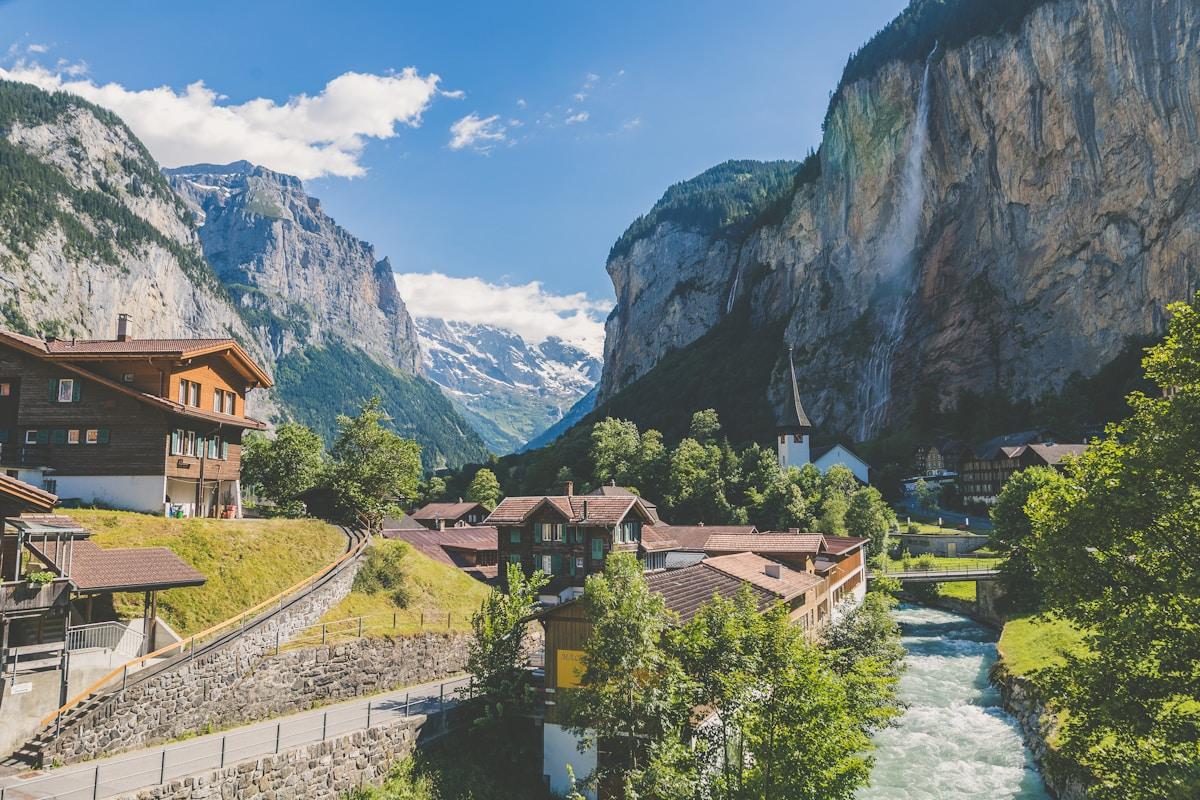
Bishkek is a compact, walkable city surrounded by stunning mountain scenery. The Tien Shan mountains provide a dramatic backdrop, and outdoor activities — hiking, skiing, horseback riding — are readily accessible and affordable. The city has a relaxed pace, with modern cafes, restaurants, and shopping centers alongside Soviet-era architecture.
The climate is continental with warm summers (up to 35°C) and cold winters (-10°C to -20°C). Winters are less extreme than Kazakhstan or northern Russia but still require proper winter clothing. The air quality in Bishkek can be poor during winter due to coal heating.
Indian food is available through Indian restaurants in Bishkek and through grocery stores that stock Indian spices and staples. Most Indian students cook at home, which is both cheaper and ensures dietary preferences are met. The Indian student community in Bishkek is substantial and well-organized, with cultural events, cricket teams, and mutual support networks.
Safety is generally good. Bishkek is a safe city with low crime rates. The Kyrgyz people are hospitable, and Indian students report being treated warmly. However, common-sense precautions should be observed, especially at night and in unfamiliar areas.
Internet connectivity is decent in Bishkek but can be unreliable in smaller cities. Mobile data is affordable. Most students use a combination of university Wi-Fi and mobile data for academic and personal communication.
NExT Exam Performance and Preparation
This is where the frank assessment becomes essential. The NExT/FMGE pass rate among Kyrgyz medical graduates has historically been below the overall IMG average. This is not a reflection of student capability but rather of the limitations in clinical training infrastructure and the challenge of preparing for an Indian licensing exam while studying in a system based on a different medical tradition.
Students who succeed from Kyrgyz universities share common traits: they start NExT preparation early (from year three), use Indian medical textbooks alongside university materials, take regular mock tests, form study groups with fellow Indian students, and treat their clinical rotations as active learning opportunities rather than passive observation.
The financial savings from studying in Kyrgyzstan can partially be redirected toward NExT coaching — a structured coaching program costing ₹50,000-2 lakh is an excellent investment that increases your pass probability significantly. Consider this as part of your total education budget rather than an afterthought.
Honest Comparison with Other Affordable Destinations
Kyrgyzstan competes directly with Kazakhstan, Bangladesh, and the Philippines in the affordable MBBS segment. Kazakhstan offers similar costs with somewhat better infrastructure in cities like Almaty. Bangladesh offers cultural and linguistic familiarity for Indian students but variable quality across institutions. The Philippines costs slightly more but provides full English-medium clinical training and an American-style curriculum.
Georgia, while slightly more expensive (₹25-45 lakh total), offers arguably better clinical training quality, European alignment, and a more comfortable living environment. For students who can stretch their budget by ₹5-15 lakh, Georgia often represents better value despite the higher price tag.
Kyrgyzstan's unbeatable advantage remains its cost. For students where the budget ceiling is genuinely ₹20-25 lakh total, Kyrgyzstan (along with some Bangladeshi options) is the only pathway to an NMC-recognized medical degree.
Post-Graduation Pathways
After completing the MD program in Kyrgyzstan, the primary pathway for Indian graduates is passing the NExT exam and registering with NMC to practice in India. Graduates can then pursue NEET-PG for postgraduate specialization or begin practice as general practitioners.
Some Kyrgyz graduates pursue alternative pathways, including PLAB for UK practice, AMC for Australian practice, or licensing exams in Middle Eastern countries. The Kyrgyz degree's NMC recognition ensures eligibility for these pathways, though the strength of your application will depend on your USMLE/PLAB/AMC scores rather than your medical school reputation.
Is Kyrgyzstan Right for You?
Kyrgyzstan is the right choice if your primary constraint is financial and ₹18-30 lakh represents the maximum your family can invest in medical education, you are self-motivated and capable of supplementing university training with independent study, you are willing to learn Russian and adapt to a Central Asian environment, and you understand that NExT success will require dedicated preparation beyond what the university provides.
It is not the right choice if you can stretch your budget to ₹35-45 lakh (Georgia or Russia would offer better clinical training), you are unwilling to invest effort in language learning and independent study, or you expect the university alone to prepare you adequately for Indian licensing exams.
For personalized assessment of whether Kyrgyzstan aligns with your academic profile, budget, and career goals, Dr. Karan Gupta's consultancy provides transparent, data-driven guidance.
Explore Related Resources & Tools
Free tools and expert services from Karan Gupta Consulting
TAGS
Frequently Asked Questions
Is MBBS from Kyrgyzstan recognized in India?
What is the total cost of MBBS in Kyrgyzstan?
What language is used for MBBS in Kyrgyzstan?
How is the NExT pass rate for Kyrgyzstan graduates?
Is Bishkek safe for Indian students?
Why Choose Karan Gupta Consulting?
- 27+ years of expertise in overseas education consulting
- 160,000+ students successfully counselled
- Personal guidance from Dr. Karan Gupta, Harvard Business School alumnus
- Licensed MBTI® and Strong® career assessment practitioner
- End-to-end support from career clarity to visa approval
SHARE THIS ARTICLE

Dr. Karan Gupta
Founder & Chief Education Consultant
Harvard Business School alumnus and India's leading career counsellor with 27+ years guiding 160,000+ students to top universities worldwide. Licensed MBTI® practitioner. Managing Director of IE University (India & South Asia).