MBBS in Georgia for Indian Students 2026: Affordable European Medical Education

Dr. Karan Gupta is a Harvard Business School alumnus and career counsellor with 27+ years of experience and 160,000+ students guided. His insights on Study Abroad come from decades of hands-on experience helping students achieve their goals.
Georgia — the small Caucasus nation nestled between Europe and Asia — has quietly become one of the smartest choices for Indian students seeking affordable, high-quality medical education abroad. With tuition fees starting at just ₹2.5 lakh per year, WHO and NMC-recognized degrees, English-medium instruction, and no entrance examination requirement, Georgian medical universities offer a compelling value proposition that is hard to beat in 2026.
At Dr. Karan Gupta's consultancy, we have seen growing interest in Georgia over the past three years, and for good reason. This guide provides everything Indian students and parents need to make an informed decision about pursuing MBBS in Georgia.
Georgia's Rise as a Medical Education Destination
Georgia's emergence as a medical education hub is not accidental. The country has made deliberate policy decisions to attract international students, investing in university infrastructure, aligning medical curricula with European standards, and streamlining visa processes. Georgian medical degrees are recognized by the WHO, NMC (India), the European Association of Medical Education, and medical councils in over 40 countries.
What makes Georgia particularly attractive compared to other affordable destinations is its geographic and cultural position. The country has European aspirations — it is an EU candidate country — and its medical education system increasingly aligns with European Bologna Process standards. Yet its costs remain at developing-country levels, creating a sweet spot of quality and affordability.
Free Tool
Study Abroad Cost Calculator
Get a personalised cost estimate for your country and course.
Try it free →The Indian student population in Georgia has grown from a few hundred in 2018 to over 8,000 in 2026. This growth reflects both genuine quality improvements in Georgian medical education and effective word-of-mouth from satisfied graduates. The Indian Embassy in Tbilisi has become increasingly active in supporting the student community, which adds a layer of institutional support.
Top Medical Universities in Georgia
1. Tbilisi State Medical University (TSMU)
TSMU is Georgia's oldest and most prestigious medical institution, founded in 1918. It is the gold standard for medical education in the country and holds recognition from the NMC, WHO, and the Educational Commission for Foreign Medical Graduates (ECFMG). The six-year MD program is taught entirely in English, with a student-to-faculty ratio that allows for personalized attention. TSMU's affiliated hospitals — including the University Clinic and several tertiary care centers in Tbilisi — provide comprehensive clinical training.
Tuition at TSMU is approximately ₹5-6 lakh per year, placing it at the higher end of Georgian medical schools but still remarkably affordable by global standards. The university has invested significantly in simulation labs, anatomy theaters, and digital learning resources over the past five years.
2. University of Georgia (UG)
Not to be confused with the American university of the same name, the University of Georgia in Tbilisi has rapidly established itself as a premier medical education institution. Its state-of-the-art campus features modern lecture halls, a well-equipped simulation center, and a dedicated anatomy lab with prosected specimens and digital imaging tools. The MD program follows a problem-based learning approach that emphasizes clinical reasoning from the first year.
Annual tuition is approximately ₹4-5.5 lakh. UG has aggressive quality improvement programs and actively seeks international accreditations. The university's clinical affiliations include Tbilisi's largest hospitals, and students begin early clinical exposure from the second year through a structured shadowing program.
3. David Tvildiani Medical University (DTMU)
DTMU, also known as the "New Vision University" medical school, is a private institution known for its modern approach to medical education. The university uses a modular, integrated curriculum that breaks down traditional subject silos — students study organ systems rather than individual subjects, which many educators consider pedagogically superior. Tuition is approximately ₹4-5 lakh per year.
4. Batumi Shota Rustaveli State University
Located in the coastal city of Batumi on the Black Sea, this university offers a more relaxed environment compared to Tbilisi. The city is smaller, safer, and more affordable. The medical program is NMC recognized and taught in English, with tuition at approximately ₹3-4 lakh per year. Clinical training takes place at Batumi Medical Center and affiliated regional hospitals. The lower cost of living in Batumi can save students ₹50,000-80,000 per year compared to Tbilisi.
5. European University (Tbilisi)
European University is one of the newer entrants in Georgian medical education but has quickly gained recognition for its modern facilities and committed faculty. The university has invested heavily in clinical simulation technology, including high-fidelity mannequins and virtual reality surgical trainers. Annual tuition is approximately ₹3.5-5 lakh. The university actively recruits experienced faculty from across Europe, bringing diverse clinical perspectives to the program.
Admission Process: Straightforward and Accessible
Georgia's admission process is refreshingly uncomplicated compared to many other countries. There is no separate entrance examination — admission is based on your Class 12 academic performance. The minimum requirement is 50% aggregate in Physics, Chemistry, and Biology (45% for reserved categories in some universities).
The required documents include Class 12 marksheets and passing certificate, a valid passport (with at least 18 months validity), medical fitness certificate, passport-sized photographs, and a completed university application form. Some universities also request a personal statement or motivation letter, though this is not universal.
Application timelines typically run from February through August for the September/October intake. The processing time from application to acceptance letter is usually 2-4 weeks. Visa processing takes an additional 2-3 weeks. Georgian student visas are relatively easy to obtain for Indian nationals — the approval rate is high, and the documentation requirements are minimal compared to European Union countries.
One important note: while Georgian universities do not require NEET for admission, Indian students must have qualified NEET to be eligible for NMC registration after completing their degree. This is a requirement from the Indian side, not the Georgian side.
Cost Breakdown: True Affordability
Georgia's cost advantage becomes even more apparent when you examine the full financial picture beyond just tuition. Tuition fees across the six-year program total approximately ₹18-36 lakh, depending on the university chosen. Accommodation costs range from ₹8,000-18,000 per month — university hostels are cheapest at ₹8,000-12,000, while private apartments near campus run ₹15,000-25,000. Many students share apartments to reduce costs.
Food expenses average ₹6,000-12,000 per month. Georgian cuisine is hearty and affordable, and Indian students find it relatively easy to adapt. Vegetarian options are available, though less varied than in India. Cooking at home is the most economical option, and Indian groceries are increasingly available in Tbilisi's international markets.
Additional annual costs include health insurance (mandatory, approximately ₹5,000-8,000 per year), textbooks and study materials (₹10,000-20,000 per year), and personal expenses (₹5,000-10,000 per month). Round-trip flights between India and Georgia cost approximately ₹20,000-35,000 with connecting flights through Dubai, Istanbul, or Doha.
The total six-year cost of an MBBS in Georgia, including everything, ranges from ₹25-45 lakh. This makes Georgia one of the three most affordable MBBS abroad destinations alongside Kyrgyzstan and Bangladesh, but with arguably better quality and infrastructure than either.
Curriculum and Teaching Methodology
Georgian medical universities follow a six-year MD program that is broadly comparable to the Indian MBBS structure but with some notable differences. The first two years cover foundational sciences: anatomy (including extensive cadaver dissection), physiology, biochemistry, histology, and medical genetics. Georgian universities generally place strong emphasis on anatomy — practical anatomy sessions are frequent and thorough.
Years three and four introduce pathology, pharmacology, microbiology, and clinical medicine. This is where the integrated curriculum at universities like DTMU shows its advantage — studying pathology alongside relevant clinical correlations creates stronger conceptual links than traditional siloed teaching.
Years five and six are dedicated to clinical clerkships. Students rotate through internal medicine, surgery, pediatrics, obstetrics and gynecology, psychiatry, neurology, dermatology, ophthalmology, ENT, and emergency medicine. Clinical rotations take place in affiliated hospitals, which in Tbilisi include large tertiary care facilities with diverse patient populations.
The clinical training quality in Georgia has improved significantly in recent years. Universities have invested in simulation centers, standardized patient programs, and structured clinical assessment formats (OSCEs). Students practice clinical skills on simulators before encountering real patients, building competence and confidence gradually.
One area where Georgian clinical training excels is in primary care and community medicine exposure. Students spend time in rural clinics and community health centers, gaining experience with healthcare delivery in resource-limited settings — an experience that directly translates to practice contexts in India.
Life in Georgia: Culture, Climate, and Community
Georgia is a country that surprises most Indian students in the best possible way. The culture is warm and hospitable — Georgians are famous for their tradition of hospitality (called "stumra"), and foreign students are generally treated with genuine kindness. The crime rate is remarkably low compared to similarly sized countries, and Tbilisi is consistently ranked among the safest capitals in Europe.
The climate varies by region. Tbilisi has warm summers (up to 35°C) and moderately cold winters (-5°C to 5°C). Snow is common in winter but not as severe as in Russia or Northern Europe. Batumi on the Black Sea coast has a milder, subtropical climate. Indian students from northern India generally adjust to the climate quickly; those from tropical southern India need a more significant adjustment.
The Indian community in Georgia is concentrated in Tbilisi, with active student associations that celebrate Indian festivals, organize cricket matches, and run cooking groups. Indian restaurants are available in Tbilisi, though options are limited compared to larger European cities. Most students establish a cooking routine within the first semester.
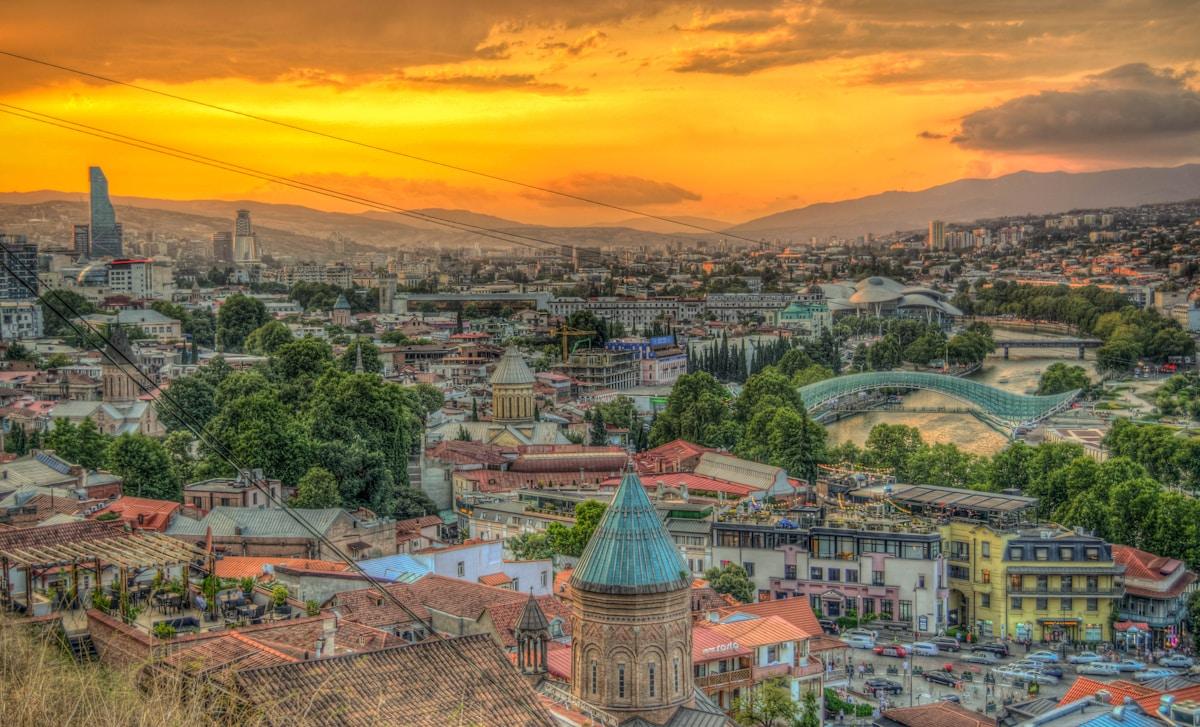
Georgia offers excellent weekend travel opportunities. The country is small enough to explore easily — the mountains, beaches, wine regions, and medieval monasteries are all within a few hours' drive. Tbilisi itself is a vibrant city with a mix of ancient and modern architecture, active nightlife, and a growing international food scene.
After Graduation: NExT Exam and Career Pathways
The post-graduation pathway for Indian students from Georgian medical universities follows the same route as all foreign medical graduates: passing the NExT (National Exit Test) to obtain a license to practice in India. The NExT replaces the older FMGE screening test and is designed to assess clinical competence across all major medical disciplines.
Georgian medical graduates have shown improving performance on the FMGE/NExT over recent years, particularly graduates from TSMU and UG. The factors contributing to better outcomes include the English-medium curriculum (which eliminates language-based comprehension gaps during the exam), the clinical focus in years five and six, and increasing availability of NExT preparation resources within the Georgian student community.
Beyond returning to India, Georgian medical graduates have options in other countries as well. The ECFMG recognition of TSMU and some other Georgian universities means graduates can pursue USMLE and apply for residency in the United States. Georgian degrees are also recognized in many Middle Eastern countries, Europe, and Southeast Asia, providing geographic flexibility in career planning.
Our strong recommendation is to begin structured NExT preparation from year three of your program. Use this time to study from standard Indian textbooks, take online mock tests, and build a study group with fellow Indian students. The clinical exposure in years five and six should be treated as active NExT preparation — every patient encounter is an opportunity to reinforce clinical knowledge.
Potential Drawbacks: What You Should Know
No destination is perfect, and intellectual honesty requires acknowledging Georgia's limitations. The country's medical education sector has grown rapidly, and not all institutions have kept pace with quality improvements. Some newer universities may have less experienced faculty, limited hospital affiliations, or inadequate library and research resources. Always verify specific university accreditations and ask for concrete data on clinical training hours and hospital affiliations.
The Georgian healthcare system itself is still developing. While Tbilisi hospitals are modern and well-equipped, facilities in smaller cities and rural areas may be less advanced. This can affect the breadth of clinical exposure available during rotations, particularly in specialized areas like cardiac surgery, transplant medicine, or advanced oncology.
Limited research opportunities compared to universities in the US, UK, or Australia mean that students interested in academic medicine or research careers may find Georgia less suitable as a foundation. The research infrastructure is improving but remains behind established research-intensive medical schools.
Post-graduation job placement support is minimal. Georgian universities focus on delivering the degree; career guidance, residency application support, and NExT preparation coaching are left to students and private consultants. Building your own career strategy — including NExT preparation, specialty selection, and networking — is essential from early in the program.
Making the Right Choice
MBBS in Georgia is an excellent choice for Indian students who want affordable, English-medium medical education with European alignment, are looking for a safe and culturally welcoming environment, are self-motivated enough to supplement university education with independent NExT preparation, and prefer a smaller, more manageable living environment over large, overwhelming cities.
It is less suitable for students who want world-class research opportunities during their undergraduate years, prefer established medical education brands with long track records (like UK or Australian universities), or are unwilling to invest in independent NExT preparation alongside their degree.
If you are considering Georgia for your MBBS and want expert guidance on university selection, application strategy, and long-term career planning, Dr. Karan Gupta's consultancy offers personalized support at every step of the journey.
Explore Related Resources & Tools
Free tools and expert services from Karan Gupta Consulting
Frequently Asked Questions
Is MBBS from Georgia recognized in India?
What is the total cost of MBBS in Georgia?
Is there an entrance exam for MBBS in Georgia?
What is the duration of MBBS in Georgia?
Is Georgia safe for Indian students?
Why Choose Karan Gupta Consulting?
- 27+ years of expertise in overseas education consulting
- 160,000+ students successfully counselled
- Personal guidance from Dr. Karan Gupta, Harvard Business School alumnus
- Licensed MBTI® and Strong® career assessment practitioner
- End-to-end support from career clarity to visa approval
SHARE THIS ARTICLE

Dr. Karan Gupta
Founder & Chief Education Consultant
Harvard Business School alumnus and India's leading career counsellor with 27+ years guiding 160,000+ students to top universities worldwide. Licensed MBTI® practitioner. Managing Director of IE University (India & South Asia).