MBBS in China for Indian Students 2026: Current Status and Alternatives

Dr. Karan Gupta is a Harvard Business School alumnus and career counsellor with 27+ years of experience and 160,000+ students guided. His insights on Study Abroad come from decades of hands-on experience helping students achieve their goals.
The Dramatic Shift in Chinese Medical Education for Indian Students
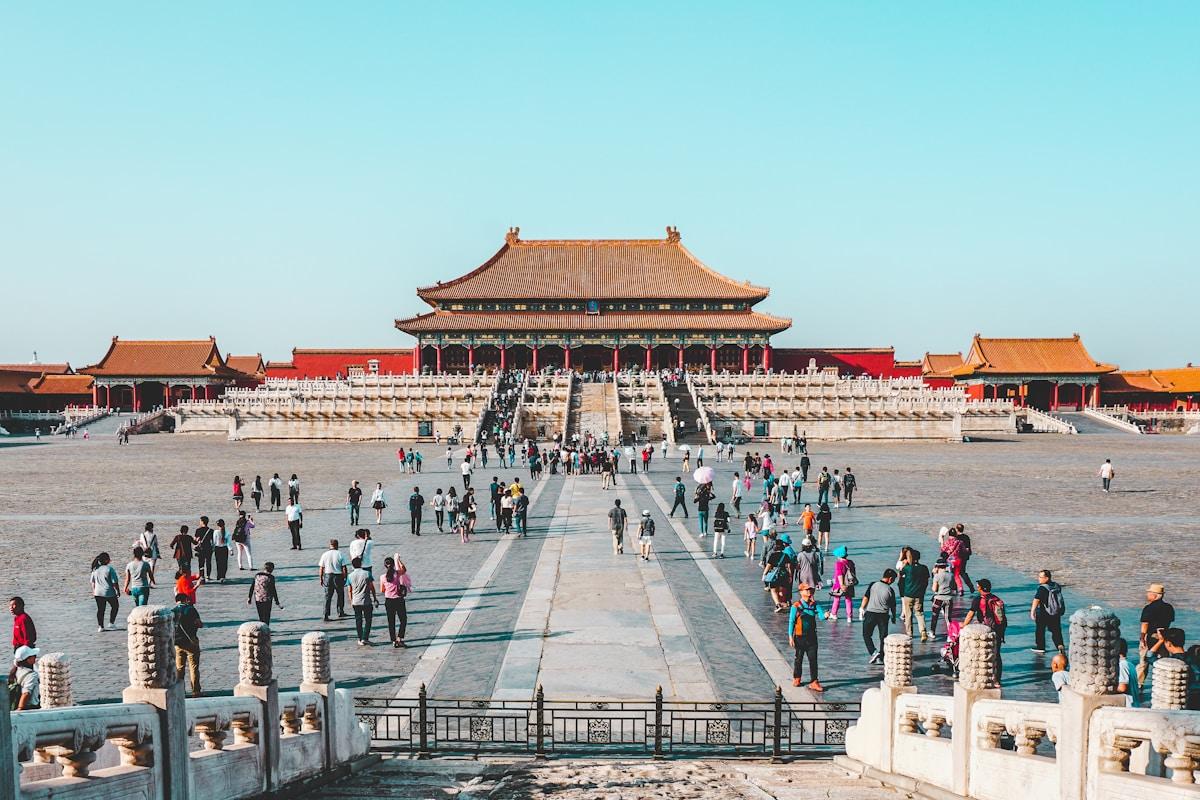
For over a decade, China was one of the most popular destinations for Indian students pursuing MBBS abroad. At its peak, an estimated 23,000-25,000 Indian students were enrolled in Chinese medical universities. The reasons were obvious: affordable fees, modern infrastructure, NMC-recognised programmes, and a relatively straightforward admission process. Then came the COVID-19 pandemic, and everything changed.
The pandemic disrupted Chinese medical education for Indian students in ways that are still being felt in 2026. Understanding what happened, where things stand now, and what alternatives exist is critical for any Indian family currently considering medical education abroad.
What Happened: The COVID-19 Impact
The Initial Disruption (2020-2021)
When China imposed strict COVID lockdowns in early 2020, Indian medical students were sent home or chose to leave. Online classes replaced in-person instruction. China's zero-COVID policy meant borders remained closed to international students far longer than any other major country. While universities in Europe, the US, and even Russia eventually reopened to international students, Chinese universities kept their doors shut.
The Prolonged Closure (2021-2023)
The prolonged border closure created a cascading crisis:
Free Tool
Free Admit Predictor
Get an honest AI assessment of your study-abroad profile in 2 minutes.
Try it free →- Clinical rotations impossible online: You cannot learn clinical medicine through a screen. Students in their clinical years lost irreplaceable hands-on training time.
- Degree validity concerns: The NMC and equivalent bodies in other countries raised questions about the validity of degrees where significant portions of clinical training were conducted online.
- Mental health toll: Students were stuck in a limbo -- unable to attend classes in person, unable to transfer to other universities easily, and watching their peers in other countries resume normal education.
- Financial burden: Families continued paying tuition and living expenses in India while receiving diminished educational value.
The Partial Reopening (2023-2024)
China gradually reopened to international students from late 2022 through 2023. However, the return was not smooth:
- Many universities required students to repeat clinical semesters that were done online
- Some programmes restructured their timelines, extending graduation dates
- The Indian government and NMC issued advisories about the situation
- A significant number of Indian students chose not to return, opting instead for transfers to other countries or restarting their education elsewhere
Current Status in 2026
Universities Are Open But the Landscape Has Changed
As of 2026, Chinese medical universities are fully open and accepting new international students. However, the landscape has fundamentally shifted:
- Reduced Indian enrollment: The number of new Indian students enrolling in Chinese medical universities has dropped significantly. Where once China attracted 5,000-7,000 new Indian medical students per year, current enrollment is estimated at 1,500-2,500.
- Increased scrutiny by NMC: The NMC has tightened its oversight of Chinese medical universities, with more rigorous verification of clinical training components.
- Competition from other destinations: Countries like Russia, Georgia, Kazakhstan, and the Philippines have aggressively recruited Indian students who might previously have chosen China.
- Reputation damage: The trust that Indian families placed in Chinese medical education has been significantly eroded. Even though the universities themselves may be excellent, the pandemic experience has left lasting concerns.
NMC Recognition Status
Several Chinese medical universities remain NMC-recognised, including:
- Peking University Health Science Center
- Fudan University Shanghai Medical College
- China Medical University (Shenyang)
- Wuhan University School of Medicine
- Zhejiang University School of Medicine
- Nanjing Medical University
- Dalian Medical University
- Jilin University Norman Bethune Health Science Center
However, recognition status should always be verified directly with the NMC before enrolling, as the list is subject to updates.
Should Indian Students Still Consider China?
Arguments in Favour
- Quality of facilities: Chinese medical universities offer excellent laboratory facilities, modern simulation centres, and well-equipped teaching hospitals. The infrastructure is often superior to comparable institutions in Russia or the Philippines.
- Research opportunities: China has invested heavily in biomedical research. Students interested in research can access well-funded labs and participate in cutting-edge projects.
- Affordable fees: Tuition at Chinese medical universities ranges from USD 3,000-8,000 per year, and living costs are moderate. The total programme cost remains competitive at INR 25-50 lakh.
- Global recognition: Chinese medical degrees are recognised in many countries, and top Chinese universities have strong international reputations.
Arguments Against
- Language barrier: This is the most significant ongoing challenge. While many universities offer English-medium programmes, clinical rotations involve Chinese-speaking patients. Students who do not learn Mandarin struggle significantly during clinical training. Mandarin is considerably more difficult for Indian students to learn compared to Russian or other languages.
- Pandemic risk perception: Fair or not, the pandemic experience has created a perception that studying in China carries additional risk. This perception influences family decisions.
- Geopolitical uncertainty: The evolving India-China geopolitical relationship creates an undercurrent of uncertainty that affects student visa processing, bilateral education agreements, and overall comfort level for Indian students.
- FMGE performance: Pass rates for FMGE among China-returned graduates have not been strong, partly due to clinical training gaps from the pandemic period. It remains to be seen whether post-pandemic cohorts will show improvement.
- Cultural isolation: Many Indian students in China report feeling more culturally isolated than their counterparts in Russia, the Philippines, or Georgia. The language barrier extends beyond the clinical setting into daily life.
The Best Alternatives for Indian Medical Students in 2026
For families who are reconsidering China or looking at alternatives from the outset, here are the strongest options in 2026:
1. Russia
Russia remains the most popular destination for Indian medical students. With established English-medium programmes, NMC-recognised universities, affordable fees (INR 25-70 lakh total), and decades of experience enrolling Indian students, Russia is a proven pathway. The Russian medical curriculum is rigorous, and clinical training, while requiring Russian language proficiency, is generally hands-on. Universities like Sechenov, Pirogov, Kazan Federal, and RUDN have strong track records.
2. Georgia
Georgia has emerged as a dark horse in medical education for Indian students. The country offers European-standard medical education at very affordable prices. Key advantages include:
- English-medium programmes throughout
- WHO and NMC-recognised universities (Tbilisi State Medical University, University of Georgia, David Tvildiani Medical University)
- European clinical standards
- Six-year programme similar to the Russian model
- Total cost of INR 20-35 lakh for the complete programme
- Safe, welcoming country with a growing Indian student community
3. Kazakhstan
Kazakhstan offers affordable medical education with NMC recognition and English-medium instruction. Universities like Kazakh National Medical University, Al-Farabi Kazakh National University, and Semey Medical University charge tuition of USD 3,000-5,000 per year. Total programme cost is among the lowest at INR 18-30 lakh.
4. Philippines
The Philippines offers a US-modelled medical curriculum entirely in English, making it ideal for students considering USMLE and US practice. The cultural compatibility and affordability are strong advantages, though the longer programme duration (5-6 years minimum) is a consideration.
5. Uzbekistan
A newer destination that is rapidly gaining popularity. Uzbekistan offers NMC-recognised medical programmes at very low costs (total INR 15-25 lakh). Universities like Tashkent Medical Academy and Samarkand State Medical University are enrolled significant numbers of Indian students. The quality of clinical training is still developing, but improving year over year.
6. European Options
For families with larger budgets, European countries like Poland, Romania, Hungary, the Czech Republic, and Lithuania offer excellent medical education with EU-standard clinical training. These programmes cost more (INR 40-80 lakh total) but provide access to European healthcare systems and clinical training standards that are among the best in the world.
What About Students Currently Stuck?
There are still Indian students who enrolled in Chinese medical universities before or during the pandemic and are dealing with the aftermath. If you are in this situation:
Completing in China
If you have returned to China and are in your final years, completing the programme is generally the best option. Ensure you are getting adequate clinical training, focus on FMGE preparation, and try to do clinical observerships in India during breaks.
Transferring
Transfer options exist but are complex. You may lose credits, have to repeat semesters, and face different curriculum structures. The most feasible transfer destinations have been Russia, Georgia, and the Philippines. Any transfer must be verified with the NMC to ensure your final degree will be recognised.
Starting Over
Some students have made the difficult decision to start over -- either by re-entering the Indian medical admission process (NEET) or enrolling fresh in another country. This is a painful decision but may be the right one if your clinical training has been severely compromised.
Making the Decision: A Framework for 2026
Here is a practical decision framework for Indian families evaluating their options in 2026:
If Budget Is the Primary Constraint
Consider Uzbekistan, Kazakhstan, or budget-tier Russian universities. Total costs of INR 15-30 lakh make these the most affordable pathways. Verify NMC recognition, focus on universities with established Indian student bodies, and plan for FMGE preparation from the third year onward.
If Quality and Career Flexibility Are Priorities
Russia (top-tier universities) or European universities offer the strongest educational outcomes. The Philippines is ideal if you are considering USMLE. These cost more but provide better clinical training and broader career pathway options.
If You Were Considering China
Evaluate whether the specific Chinese university you are considering has fully restored its clinical training programme, maintained NMC recognition, and has a track record of post-pandemic graduates clearing FMGE. If yes, China can still be a viable option. If you have any doubts, the alternatives listed above may offer lower risk for similar educational quality.
Red Flags to Watch For
- Agents who guarantee admission, jobs, or FMGE success: No legitimate agent can guarantee these outcomes.
- Universities not listed on the NMC website: If it is not on the list, your degree is worthless in India.
- Pressure to decide quickly: Legitimate universities do not pressure you into immediate decisions with fabricated deadlines.
- Very low fees that seem too good to be true: Investigate the clinical training quality. Sometimes low fees come with minimal hospital access.
- No verifiable alumni network: If you cannot find and talk to graduates, that is a significant red flag.
The Bottom Line
China's position in the Indian medical education abroad market has changed significantly since the pandemic. It remains a viable option for some students, but it is no longer the automatic first choice it once was. The alternatives have strengthened, and Indian families now have more options than ever.
Whatever destination you choose, the fundamentals remain the same: verify NMC recognition, research the university thoroughly, learn the local language for clinical work, plan for FMGE early, and go into the experience with realistic expectations. The country matters less than the effort you put into your education and the strategic planning you do for your career after graduation.
Explore Related Resources & Tools
Free tools and expert services from Karan Gupta Consulting
TAGS
Frequently Asked Questions
Is MBBS in China still a good option for Indian students in 2026?
What happened to Indian medical students in China during COVID?
What are the best alternatives to China for MBBS abroad in 2026?
Can Indian students transfer from Chinese medical universities to other countries?
Are Chinese medical degrees still recognised by NMC India?
Why Choose Karan Gupta Consulting?
- 27+ years of expertise in overseas education consulting
- 160,000+ students successfully counselled
- Personal guidance from Dr. Karan Gupta, Harvard Business School alumnus
- Licensed MBTI® and Strong® career assessment practitioner
- End-to-end support from career clarity to visa approval
SHARE THIS ARTICLE

Dr. Karan Gupta
Founder & Chief Education Consultant
Harvard Business School alumnus and India's leading career counsellor with 27+ years guiding 160,000+ students to top universities worldwide. Licensed MBTI® practitioner. Managing Director of IE University (India & South Asia).