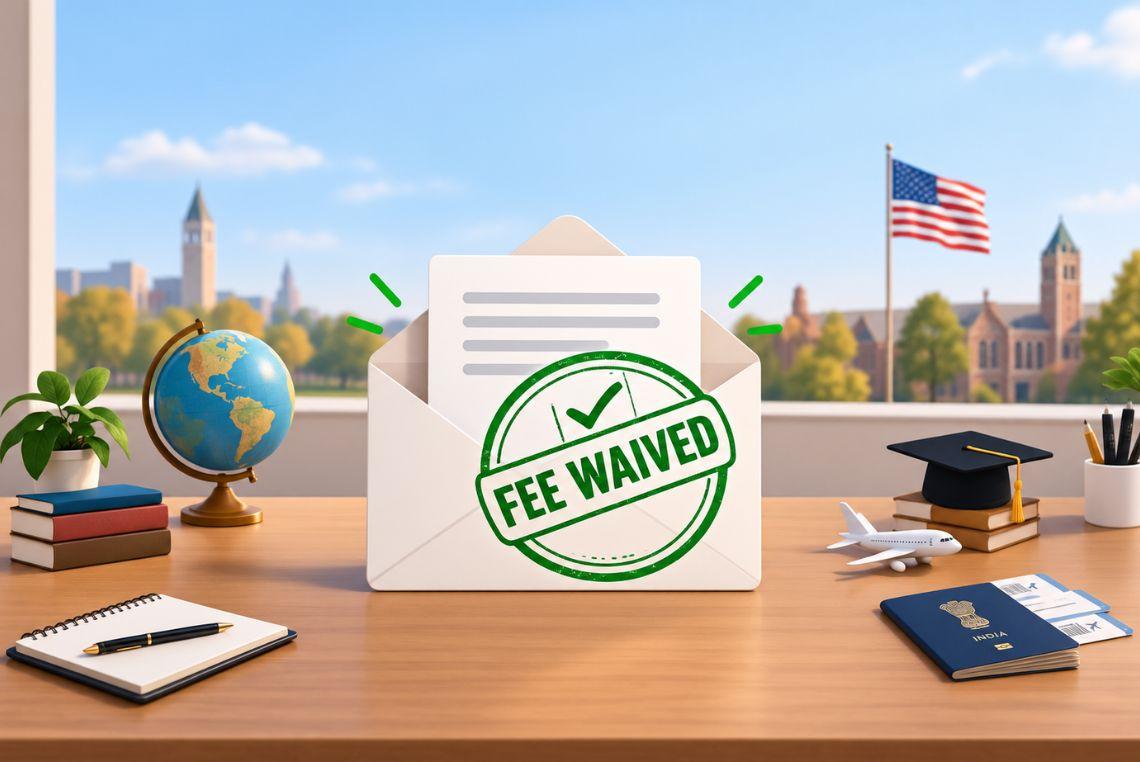
Donald Trump Help International Students

Dr. Karan Gupta is a Harvard Business School alumnus and career counsellor with 27+ years of experience and 160,000+ students guided. His insights on Study Abroad come from decades of hands-on experience helping students achieve their goals.
Navigating US Policy Shifts: A Comprehensive Guide for Indian Students Studying in the USA in 2026
Embarking on a journey to study abroad in the United States is a transformative dream for countless Indian students. The USA remains a beacon of academic excellence, research innovation, and unparalleled career opportunities. However, the landscape of US immigration and student visa policies is dynamic, profoundly influenced by the prevailing political climate and administrative priorities. Understanding these shifts, particularly those under the Trump and Biden administrations, is crucial for students planning their future in 2026.
At Karan Gupta Consulting, with Dr. Karan Gupta's 27+ years of experience, Harvard alumni insights, and a track record of guiding over 160,000 students, we understand the anxieties and aspirations that come with this decision. Our mission is to equip you with the knowledge, strategies, and personalized guidance to confidently pursue your American dream, no matter the policy headwinds. This comprehensive guide will dissect the past, present, and projected future of US policy affecting international students, focusing on F1 visas, OPT, STEM OPT extensions, and the coveted H1B lottery, all tailored for the Indian student perspective.
Historical Context: US Immigration Policy Trends Affecting International Students
To truly grasp the implications of current and future policies, it's essential to understand the historical backdrop. US immigration policy has always been a pendulum swing between periods of welcoming openness and periods of more restrictive controls, often shaped by economic conditions, national security concerns, and political ideologies. For international students, this has manifested in varying degrees of ease in obtaining visas, pursuing post-graduation work, and eventually transitioning to longer-term employment.
Pre-Trump Era: A Period of Relative Stability and Growth
Prior to the Trump administration, the general trend for international students, especially those in STEM fields, was one of gradual expansion and support. Policies like the introduction of the STEM OPT extension (initially 17 months, later 24 months) under the Obama administration, showcased a recognition of the economic value international graduates bring to the US economy. While challenges like the H1B visa lottery's oversubscription were present, the overall sentiment was largely positive towards attracting global talent. Universities actively recruited international students, and the path from F1 to OPT/STEM OPT to H1B, though competitive, felt more predictable and attainable. Visa interview processes, while rigorous, generally focused on genuine academic intent and financial capability, with less overt political scrutiny.
Free Tool
Free Profile Evaluation
Get an honest AI assessment of your study-abroad profile in 2 minutes.
Try it free →The Trump Administration's Impact on International Students
The Trump administration ushered in a significant shift in US immigration policy, characterized by an "America First" ideology. This approach translated into heightened scrutiny, increased restrictions, and an overarching narrative of limiting immigration, which inherently impacted international students at various stages of their journey.
Focus on "America First" and its Ramifications
The core tenet of "America First" directly influenced policies targeting foreign workers and, by extension, international students. The administration's rhetoric often framed foreign workers, including those on H1B visas, as competitors to American jobs. This led to a series of policy adjustments designed to make it more challenging for international graduates to secure long-term employment in the US. While students primarily hold F1 visas, the restrictions on post-graduation work (OPT, H1B) created a downstream chilling effect, making the prospect of staying back in the US after graduation less certain.
F1 Visa Scrutiny and Increased Denials
Under Trump, F1 visa applicants, particularly from countries with high rates of overstay or perceived security risks, faced enhanced vetting. Visa officers were often instructed to apply a stricter interpretation of "non-immigrant intent," making it harder for students to prove they intended to return to their home country after their studies. This resulted in a noticeable increase in F1 visa denials and a longer, more arduous interview process for many, including Indian students. The "214(b) presumption of immigrant intent" was rigorously applied, requiring students to present overwhelming evidence of ties to India and a clear plan for their return.
OPT Program Challenges and Uncertainty
The Optional Practical Training (OPT) program, a vital pathway for international students to gain practical work experience post-graduation, also faced challenges. While the program itself was not directly curtailed, the administration's "Buy American, Hire American" executive order led to increased scrutiny of employers hiring OPT students. There were concerns raised about the enforcement of regulations, the quality of training, and the potential for employers to exploit the program. This created an environment of uncertainty for students relying on OPT to launch their careers, with some employers becoming more hesitant to sponsor international talent due to perceived regulatory burdens.
H1B Visa Restrictions and Lottery Changes
The H1B visa, the primary pathway for international graduates to transition from F1/OPT to long-term work authorization, was arguably the most significantly impacted. The Trump administration implemented several measures:
- Increased Requests for Evidence (RFEs): USCIS issued an unprecedented number of RFEs for H1B petitions, challenging job specialty, employer-employee relationship, and wage levels. This made the approval process significantly more complex and expensive for employers.
- Heightened Scrutiny of IT Consulting Firms: Companies, particularly in the IT services sector which employs a large number of Indian professionals, faced intense scrutiny. This was due to concerns about "bodyshopping" and the displacement of American workers.
- Proposed Wage-Based Lottery: There were serious proposals to reform the H1B lottery system to prioritize higher-wage earners, intending to attract "the best and brightest" and reduce competition for entry-level positions. While not fully implemented during his term, the discussion itself created significant anxiety.
- Suspension of Premium Processing: At various times, premium processing for H1B visas was suspended, leading to longer processing times and further uncertainty.
These measures collectively made the H1B lottery even more competitive and less predictable for Indian students aiming for a post-graduation career in the US.
Specific Executive Orders and Proclamations
Beyond broad policy shifts, several executive orders and proclamations directly impacted international students and workers. These included travel bans from certain countries (though not directly targeting India, they created a precedent for similar restrictions), and the proclamation in June 2020 that temporarily suspended the entry of certain non-immigrants, including those on H1B, L1, and some J1 visas, citing economic recovery during the pandemic. While F1 students were generally exempted, the overall message was one of restriction and limitation on foreign talent, which undoubtedly influenced student decisions.
The Biden Administration's Approach to International Students
Upon taking office, the Biden administration signaled a clear departure from many of the Trump-era immigration policies. With a focus on restoring America's image as a welcoming nation and attracting global talent, the approach has been generally more favorable to international students and skilled workers, though not without its own set of challenges.
Reversal of Some Trump Policies and a More Welcoming Stance
President Biden's administration quickly moved to rescind several restrictive executive orders, including the "travel bans" and the proclamation suspending certain non-immigrant visas. The rhetoric shifted towards emphasizing the contributions of immigrants and international students to the US economy and society. This change in tone alone provided a significant psychological boost for prospective international students, indicating a more predictable and supportive environment.
F1 Visa Processing and Renewed Intent
Under Biden, the Department of State has aimed to streamline visa processing and reduce backlogs, which were exacerbated by the pandemic and prior administrative policies. While operational challenges persist (like limited interview slots in certain consulates), the intent is to facilitate legitimate travel for students. Visa officers are expected to apply a more balanced interpretation of "non-immigrant intent," focusing on genuine academic pursuit rather than an overly skeptical view of potential immigration. Consular posts have prioritized student visa appointments, recognizing the importance of international students to US universities. However, demonstrating strong ties to India and a clear academic/career plan remains paramount for Indian students.
OPT and STEM OPT Support and Potential Enhancements
The Biden administration has explicitly supported programs like OPT and STEM OPT, recognizing their role in retaining highly skilled talent. In January 2022, DHS announced an expansion of the STEM OPT program by adding 22 new fields of study, broadening the eligibility for a 24-month extension. This move was a clear indication of the administration's commitment to attracting and retaining STEM graduates. There's a renewed emphasis on ensuring that these programs function effectively to benefit both students and the US economy, rather than being seen as loopholes. This positive stance makes the OPT and STEM OPT pathways more robust and reliable for Indian students seeking post-graduation work experience.
H1B Visa Reforms and Lottery Considerations
While fundamental changes to the H1B cap require legislative action from Congress, the Biden administration has taken steps to optimize the existing system. This includes:
- Rescinding the Wage-Based Lottery Rule: The Trump-era proposed rule to prioritize H1B petitions based on wage levels was withdrawn. The current lottery system remains a random selection process, which, while competitive, offers an equal chance to all eligible applicants regardless of initial proposed salary.
- Increased Transparency and Efficiency: Efforts have been made to improve the efficiency of USCIS operations, although the sheer volume of H1B petitions means the lottery will remain highly competitive.
- Focus on High-Skilled Immigration: The administration has often reiterated the importance of high-skilled immigration for US economic competitiveness, suggesting a willingness to explore broader reforms if Congress acts.
For Indian students, this means the H1B lottery will continue to be a significant hurdle, but the administrative environment is less overtly hostile, and efforts are made to ensure a fair process within the current legal framework.
Focus on Attracting Talent and Global Competitiveness
Overall, the Biden administration's approach has been centered on repositioning the US as a global leader in innovation and attracting the world's best and brightest. This involves not only welcoming international students but also creating pathways for them to contribute to the US economy post-graduation. This strategic outlook is beneficial for Indian students, as it aligns with their aspirations of gaining world-class education and launching international careers.
Looking Ahead to 2026: F1 Visa Trends for Indian Students
As we project towards 2026, understanding the likely trends in F1 visa processing is paramount for Indian students. While political shifts can always introduce new dynamics, certain core principles and recent administrative directions provide a strong basis for prediction.
F1 Interview Process & Demonstrating Non-Immigrant Intent
By 2026, the F1 visa interview process will likely continue its trend of rigorous, yet fair, scrutiny. The emphasis will remain on clearly demonstrating non-immigrant intent. This means applicants must convince the consular officer that their primary purpose for entering the US is to pursue education and that they intend to return to India upon completion of their studies. For Indian students, who often face a higher presumption of immigrant intent due to common aspirations for US permanent residency, this requires meticulous preparation.
- Strong Ties to India: Be prepared to articulate strong familial, financial, and professional ties that will compel your return. This could include family property, business interests, or caregiving responsibilities.
- Clear Academic and Career Goals: Articulate how your chosen program directly aligns with your future career aspirations in India. Demonstrate a well-researched understanding of job prospects in your field back home.
- University Selection: Be able to explain why you chose a particular university and program, showcasing genuine academic interest rather than merely a desire to enter the US.
Consular officers are becoming increasingly adept at identifying inconsistencies in applications and interviews. Honesty, clarity, and well-reseated answers will be your best allies. Karan Gupta Consulting specializes in preparing students for these critical interviews, refining narratives and building confidence.
Document Requirements and Verification
The requirement for comprehensive documentation will intensify. Students must ensure all financial documents (bank statements, loan approvals, sponsor affidavits), academic transcripts, test scores, and the I-20 form are accurate, complete, and readily verifiable. There may be an increased focus on the legitimacy of financial sponsors and the source of funds. Any discrepancies can lead to delays or denials. Digital verification systems may become more prevalent, requiring students to be fully transparent and prepared.
Potential for New Visa Categories (Speculative but Relevant)
While less likely to be fully implemented by 2026 without significant legislative action, there's an ongoing discussion in policy circles about potential new visa categories or reforms to existing ones. This could include a "startup visa" for entrepreneurs or streamlined pathways for advanced STEM degree holders. While highly speculative, students should remain aware of such discussions, as even minor administrative adjustments could affect their long-term prospects. However, for 2026, students should plan based on the existing F1, OPT, and H1B frameworks.
Here's a table summarizing key F1 Visa Interview Tips for 2026:
| Category | Key Tip for Indian Students in 2026 | Why it's Important |
|---|---|---|
| Non-Immigrant Intent | Clearly articulate strong ties to India (family, property, job prospects). | Counteracts the presumption of immigrant intent, a primary reason for denial. |
| Financial Proof | Ensure readily verifiable funds covering at least the first year of study. Be clear about sponsors. | Demonstrates you won't become a public charge; financial stability is key. |
| Academic Intent | Explain your choice of university, program, and how it aligns with your career back home. | Shows genuine academic purpose, not just a desire to enter the US. |
| Interview Demeanor | Be confident, honest, and concise. Maintain eye contact. | First impressions matter; reflects preparedness and sincerity. |
| Preparedness | Organize all original documents, including I-20, passport, academic records. | Smooth interview process; avoids delays and shows responsibility. |
OPT Program Evolution & STEM OPT Extension in 2026
The Optional Practical Training (OPT) program and its extension for STEM graduates are cornerstones of the US international student experience. For Indian students, these programs are often the first vital step from academic life into professional employment in the US. Understanding their current state and likely evolution by 2026 is critical.
Current Regulations Review: OPT and STEM OPT
Currently, OPT allows F1 students to work in a field directly related to their major area of study. Post-completion OPT is generally available for 12 months. For students with a bachelor's, master's, or doctoral degree in an eligible STEM field, an additional 24-month STEM OPT extension is available, bringing the total to 36 months of work authorization. Key requirements include:
- Eligibility: Must be in valid F1 status, completed one academic year, and the job must be directly related to the major.
- Employer E-Verify: STEM OPT employers must be enrolled in and utilize the E-Verify program.
- Training Plan (Form I-983): STEM OPT students and their employers must complete a formal training plan outlining learning objectives and oversight.
- Unemployment Limits: Strict limits on unemployment days apply (90 days for 12-month OPT, additional 60 days for STEM OPT).
These regulations are robust and have largely been reinforced rather than relaxed or restricted under the current administration, indicating their stability for 2026.
Potential Changes and Enhancements by 2026
While major legislative overhauls are unlikely by 2026 without bipartisan agreement, administrative enhancements to OPT and STEM OPT are possible. Given the Biden administration's focus on attracting and retaining STEM talent, potential changes could include:
- Further Expansion of STEM Fields: The list of eligible STEM fields could continue to grow, encompassing emerging technologies and interdisciplinary studies.
- Clarification of Employer Responsibilities: More detailed guidance for employers regarding training plans and oversight to ensure the quality of practical training.
- Streamlined Application Processes: USCIS may continue to digitize and improve the processing efficiency for OPT and STEM OPT applications.
These potential enhancements would generally benefit Indian students by expanding opportunities and making the application process smoother.
Value of STEM OPT for Indian Students
The STEM OPT extension is incredibly valuable for Indian students for several reasons:
- Extended Work Experience: It provides an additional two years to gain crucial professional experience in the US, enhancing resumes and skill sets.
- Increased H1B Chances: The longer duration offers more attempts at the H1B visa lottery (typically three years of eligibility if OPT is used continuously), significantly improving the odds of selection.
- Career Advancement: Three years of experience can lead to more senior roles and higher salaries, making students more competitive both in the US and if they decide to return to India.
- Networking Opportunities: Extended time allows for deeper professional networking, which can be invaluable for future career paths.
For Indian students considering STEM fields, the 24-month STEM OPT extension is a primary motivator and a strong strategic advantage, making programs in computer science, engineering, data science, and related fields particularly attractive.
Comparing OPT and STEM OPT Benefits:
| Feature | Standard 12-Month OPT | 24-Month STEM OPT Extension |
|---|---|---|
| Eligibility | Any major, completed academic year. | Eligible STEM degree, completed academic year, standard OPT used. |
| Duration | 12 months total. | Additional 24 months (total 36 months including standard OPT). |
| Employment Field | Directly related to major. | Directly related to STEM major. |
| Employer Requirement | No E-Verify mandate. | Employer must be E-Verify enrolled. |
| Training Plan (I-983) | Not required. | Required, outlining learning goals. |
| Unemployment Limit | 90 days total. | Additional 60 days (total 150 days across 36 months). |
| H1B Lottery Attempts | Typically 1 chance (during the 12 months). | Potentially 3 chances (across 36 months). |
H1B Visa Lottery Dynamics for 2026
The H1B visa remains the holy grail for many international students wishing to work long-term in the US. However, its dynamics are complex, primarily driven by high demand, especially from India, and a restrictive annual cap. Understanding the lottery system and potential trends for 2026 is vital for Indian students.
Historical Overview of the H1B Lottery
The H1B visa has an annual cap of 85,000 visas, with 20,000 reserved for those with a US master's degree or higher (the "master's cap"). Demand has consistently far outstripped supply, particularly since the early 2010s. In recent years, the number of registrations has skyrocketed, reaching over 780,000 for the FY2024 lottery, leading to selection rates as low as 14%. The system typically involves an electronic registration process in March, followed by a lottery selection. Only selected registrants can then file a full H1B petition.
Impact of High Demand from India
Indian nationals consistently account for the overwhelming majority of H1B petitions. This intense competition means that while an Indian student might be highly qualified, their chances of being selected in the lottery are significantly low due to sheer volume. This reality compels Indian students to consider various strategies, including focusing on STEM fields for more attempts through STEM OPT, seeking employment with cap-exempt organizations, or exploring alternative visa pathways.
Potential Reforms and Political Influence
By 2026, the H1B landscape could see some changes, though these would likely stem from administrative interpretations rather than congressional action. Congress has consistently failed to pass comprehensive immigration reform, including an increase in the H1B cap, due to political deadlock. However, the administration could:
- Prioritize Certain Skills: While the wage-based lottery was rescinded, future administrations could propose or subtly influence the lottery to favor specific high-demand skills (e.g., AI, cybersecurity), though this would require regulatory changes.
- Address Multi-Registrations: The USCIS has already taken steps to crack down on multiple registrations by the same beneficiary, leading to investigations and potential invalidation of selections. This effort is likely to continue and strengthen by 2026, aiming to create a fairer lottery.
- Increased Enforcement: Expect continued scrutiny on H1B employers to ensure compliance with labor laws and wage requirements.
The outcome of the 2026 US presidential election will significantly influence the H1B policy direction in 2026. A more restrictive administration might reintroduce proposals similar to the wage-based lottery, while a more liberal one might push for cap increases or broader reforms. Students should monitor these developments closely.
Strategies for Indian Students Facing the H1B Lottery
Given the high competition, Indian students need robust strategies:
- Pursue STEM Degrees: Maximize your chances by leveraging the 24-month STEM OPT extension, allowing up to three lottery attempts.
- Target Cap-Exempt Employers: Universities, non-profit research organizations, and government entities are often exempt from the H1B cap. Securing employment with such institutions can bypass the lottery entirely.
- Develop Niche Skills: Specializing in high-demand, critical skill areas can make you a more attractive candidate for employers willing to navigate the H1B process.
- Networking and Mentorship: Build strong professional networks. Referrals and mentorship can open doors to employers more committed to sponsoring H1B visas.
- Consult Experts: Karan Gupta Consulting provides tailored advice on navigating the H1B process, helping students choose programs and career paths that optimize their chances.
Projected H1B Lottery Key Dates (for reference, actual dates vary annually):
| Event | Approximate Timeline (for FY 2026) | Importance for Students |
|---|---|---|
| H1B Registration Period | Early March 2026 | Employers register prospective H1B beneficiaries electronically. |
| Lottery Selection Notification | Late March 2026 | USCIS notifies employers if their registrants were selected. |
| Petition Filing Window | April - June 2026 | Selected employers file full H1B petitions. |
| H1B Start Date | October 1, 2026 | Approved H1B workers can begin employment. |
Note: Students on STEM OPT could participate in multiple lotteries before their OPT expires, increasing their odds.
What Indian Students Planning to Study in the USA Need to Know for 2026
The journey to studying in the USA in 2026 is one that requires foresight, strategic planning, and an understanding of the multifaceted requirements. For Indian students, who form one of the largest contingents of international students in the US, these considerations are particularly pertinent.
Importance of Early Planning and Research
Beginning your planning early is not just advantageous; it's essential. The application cycles for US universities, visa processing times, and financial aid deadlines all demand significant lead time. For 2026, students should ideally start their research and application process 18-24 months in advance. This allows ample time for:
- Test Preparation: GMAT/GRE, TOEFL/IELTS scores are mandatory.
- University Selection: Researching programs, faculty, campus culture, and post-graduation outcomes.
- Application Essay and Recommendations: Crafting compelling personal statements and securing strong letters of recommendation.
- Financial Planning: Arranging funds and securing educational loans.
Early planning mitigates stress, allows for better decision-making, and provides a buffer for unexpected delays.
Choosing the Right Program and University
The choice of program and university extends beyond academic reputation. For Indian students eyeing post-graduation work opportunities, strategic considerations include:
- STEM Designation: Prioritizing STEM-designated programs is crucial for accessing the 24-month STEM OPT extension, which significantly improves H1B prospects.
- Location and Industry Hubs: Opting for universities located near major industry hubs relevant to your field (e.g., Silicon Valley for tech, Boston for biotech) can provide better internship and job opportunities.
- Career Services: Research the university's career services department, its track record in placing international students, and its connections with employers that sponsor H1B visas.
- Alumni Network: A strong alumni network, especially one with a significant presence of Indian professionals, can be invaluable for networking and job search.
Karan Gupta Consulting assists students in identifying best-fit programs that align with both academic goals and long-term career aspirations in the US.
Financial Preparedness and Scholarships
The cost of education in the USA is substantial. Students must demonstrate sufficient funds to cover tuition, living expenses, and health insurance for at least the first year of their program. This often requires a combination of personal savings, family contributions, and educational loans.
- Proof of Funds: Bank statements, loan sanction letters, and affidavits of support from sponsors are required for the I-20 and visa application.
- Scholarship Applications: Actively seek scholarships, both university-specific and external. While full scholarships are rare, even partial aid can significantly reduce the financial burden. Explore scholarships opportunities with us.
- Cost of Living: Research the cost of living in your chosen city or state, as this can vary widely.
Financial planning is a cornerstone of a successful study abroad journey.
Understanding Visa Requirements and Interview Preparation
The F1 visa application process, including the DS-160 form, SEVIS fee payment, and the visa interview, must be meticulously handled. As discussed, demonstrating non-immigrant intent is critical for Indian students. Mock interviews and guidance from experienced consultants like those at Karan Gupta Consulting can significantly boost confidence and readiness.
Cultural Adaptation and Support Systems
Beyond academics and visas, preparing for cultural adaptation is important. The US academic and social environment can be very different from India. Understanding cultural norms, being open to new experiences, and actively seeking out university support services (international student offices, counseling, academic advising) can ease the transition. Building a network of friends, both international and American, is crucial for a fulfilling experience.
Key Considerations for Indian Applicants for 2026:
| Consideration Area | Specific Action for Indian Students | Impact on US Study |
|---|---|---|
| Academic Profile | Aim for high GRE/GMAT and TOEFL/IELTS scores. Strong academic record. | Increases university admission chances, especially for top programs. |
| Program Choice | Prioritize STEM fields for longer OPT eligibility. Research career outcomes. | Directly impacts post-graduation work opportunities (STEM OPT, H1B). |
| Financial Planning | Secure verifiable funds, explore loans and scholarships early. | Essential for I-20, visa approval, and a stress-free experience. |
| Visa Preparation | Practice F1 interview, gather all documentation for non-immigrant intent. | Crucial for successful visa approval and avoiding denials. |
| Career Strategy | Understand H1B challenges, explore cap-exempt options, network diligently. | Prepares for post-graduation job search and long-term stay options. |
| Cultural Adjustment | Be open to new experiences, utilize university support services. | Ensures a smoother transition and a richer overall experience. |
Best Strategies for Success in a Dynamic Environment
Navigating the complex and ever-changing US policy landscape requires more than just knowing the rules; it demands a strategic mindset and proactive planning. For Indian students aiming for success in 2026 and beyond, a multi-pronged approach is essential.
Academic Excellence and Specialization
Your academic performance is your most potent tool. Excelling in your chosen field, especially in STEM disciplines, not only opens doors to top universities but also makes you a highly attractive candidate to employers. Pursuing specializations within your field that are in high demand (e.g., AI/ML, data analytics, cybersecurity within computer science) can give you a significant edge in the job market, increasing your chances of securing OPT employment and eventual H1B sponsorship. Strong academic records also reflect dedication and capability, qualities employers seek.
Networking and Professional Development
In the US job market, networking is often as important as academic qualifications. Start building your professional network from day one. Attend career fairs, industry conferences, and university events. Connect with alumni and professionals in your field on platforms like LinkedIn. Seek internships proactively, as they are crucial for gaining practical experience and often lead to full-time job offers. Developing soft skills such as communication, teamwork, and cultural adaptability will also set you apart. These opportunities are readily available if you are proactive about your study abroad experience.
Leveraging OPT/STEM OPT to its Fullest
As discussed, OPT and especially STEM OPT are invaluable bridges to long-term career prospects. Utilize this time strategically:
- Seek Quality Employment: Focus on roles that provide meaningful experience and skill development, even if the initial salary isn't high. This experience is critical for future H1B applications.
- Maintain Compliance: Strictly adhere to all USCIS regulations regarding reporting changes in employment, addresses, and unemployment limits. Any non-compliance can jeopardize your visa status.
- Plan for H1B: Work with your employer to understand their H1B sponsorship policies and timelines. Many companies have specific criteria for sponsoring international employees.
Exploring Green Card Pathways (Briefly)
While the focus is often on F1, OPT, and H1B, it's worth being aware of longer-term immigration pathways. For highly skilled individuals, employer-sponsored Green Cards (EB-2/EB-3 categories) are an option, but these involve long processing times, especially for Indian nationals due to per-country quotas. Some individuals also explore extraordinary ability visas (EB-1) or investment visas, though these are typically for a very niche group. Understanding these distant possibilities can help shape long-term career and life planning but should not be the immediate focus for students.
Karan Gupta Consulting's Role in Your Success
In this complex and competitive environment, personalized expert guidance is indispensable. Dr. Karan Gupta, with over 27 years of experience, provides a strategic advantage for Indian students:
- Personalized University Selection: We help you identify universities and programs that not only match your academic aspirations but also align with STEM OPT and H1B prospects.
- Visa Interview Preparation: Our mock interviews and detailed guidance prepare you to confidently demonstrate non-immigrant intent and navigate challenging questions.
- Career Pathway Planning: We advise on choosing majors and internships that enhance your employability and long-term stay options in the US.
- Scholarship and Financial Aid Guidance: We help you explore avenues to fund your education, minimizing financial stress. Click here to learn more about scholarships.
- Ongoing Support: From application to visa, and even post-arrival, our team provides continuous support, ensuring you're never alone in your journey.
Your dream of studying in the USA is within reach with the right strategy and support. Start your journey with Karan Gupta Consulting today.
For a comprehensive overview of our services and how we can assist you, visit our Study Abroad page.
Stay-Back Options and Long-Term Prospects
For many Indian students, the motivation to study in the US extends beyond gaining a world-class education; it includes the aspiration to work and potentially build a career in the country. While the H1B visa is the most common bridge, it's not the only stay-back option. Understanding the full spectrum of possibilities is key for long-term planning.
Beyond H1B: EB-2/EB-3 Green Card Pathways
The H1B visa is a non-immigrant, temporary work visa. For permanent residency, most international students transition to an employment-based Green Card, typically through the EB-2 (Professionals Holding Advanced Degrees or Persons of Exceptional Ability) or EB-3 (Skilled Workers, Professionals, and Other Workers) categories. Both require employer sponsorship and involve a multi-step process:
- PERM Labor Certification: The employer must demonstrate that there are no qualified US workers for the position.
- I-140 Immigrant Petition: Filed by the employer.
- I-485 Adjustment of Status or Consular Processing: The final step to obtain the Green Card.
A significant challenge for Indian nationals is the severe backlog in the EB-2 and EB-3 categories due to per-country quotas. This means the waiting period for a Green Card for Indian applicants can stretch for many years, sometimes a decade or more. While the process is viable, it requires extreme patience and a long-term commitment from both the individual and the sponsoring employer.
Entrepreneurship Visas and Startup Pathways
For students with innovative ideas and an entrepreneurial spirit, there are limited but growing pathways:
- O-1 Visa (Individuals with Extraordinary Ability or Achievement): This non-immigrant visa is for individuals who have demonstrated extraordinary ability in the sciences, arts, education, business, or athletics. While highly selective, a successful startup founder could potentially qualify.
- E-2 Treaty Investor Visa: This is for nationals of countries with whom the US maintains a treaty of commerce and navigation. While India is not currently an E-2 treaty country, students with dual nationality from an E-2 treaty country might be eligible.
- International Entrepreneur Rule (IER) / "Startup Visa": While the IER was rescinded by the Trump administration, the Biden administration has expressed interest in supporting entrepreneurship. There is ongoing discussion, and a revival or new legislative action for a dedicated startup visa remains a possibility, though not guaranteed by 2026.
These paths are complex and typically require substantial investment or a truly exceptional profile, making them less common for fresh graduates but valuable for those with a strong entrepreneurial drive.
Spousal Visas (F2, H4, etc.)
For those who marry a US citizen or a Green Card holder, or another non-immigrant visa holder, spousal visas offer another avenue to stay in the US. For instance, an H1B visa holder's spouse can apply for an H4 visa, and if the H1B holder has an approved I-140, the H4 spouse may be eligible for work authorization (H4 EAD), providing an additional stay-back option for families.
The Importance of Legal Counsel
Given the complexities, nuances, and frequently changing nature of US immigration law, engaging experienced immigration attorneys is paramount for any long-term stay-back strategy. While Karan Gupta Consulting provides expert educational and career guidance, a qualified immigration lawyer is essential for all legal processes related to visas, Green Cards, and compliance.
Ultimately, while obtaining permanent residency in the US as an international student from India is challenging, it is not impossible. It requires consistent effort, strong academic and professional performance, careful planning, and often, a degree of patience and resilience. Understanding these options early allows students to make informed decisions about their education and career trajectory.
Conclusion
The journey for Indian students aiming to study in the USA in 2026 is undoubtedly influenced by the evolving policy landscape, shaped by the contrasting approaches of the Trump and Biden administrations. From the initial F1 visa application to the pursuit of OPT, STEM OPT, and the highly coveted H1B, each stage presents its own set of challenges and opportunities.
While the Trump era introduced a period of heightened scrutiny and restriction, the Biden administration has pivoted towards a more welcoming stance, particularly for STEM talent. However, the underlying competitiveness for visas and employment remains, demanding strategic planning and proactive engagement from students.
For Indian students, success in this dynamic environment hinges on academic excellence, strategic program selection, meticulous preparation for visa interviews, leveraging post-graduation work permits effectively, and building strong professional networks. The dream of a US education and career is well within reach, but it requires a clear understanding of the rules and careful navigation of the system.
At Karan Gupta Consulting, with Dr. Karan Gupta's unparalleled experience and Harvard-level insights, we are dedicated to demystifying this complex process. We empower you with the knowledge, resources, and personalized strategies needed to confidently pursue your academic and professional aspirations in the United States. Your success is our mission.
Get started on your US study abroad journey with us today!
Frequently Asked Questions (FAQs)
Q1: How will the 2026 US presidential election impact my plans to study in the USA in 2026?
A1: The outcome of the 2026 presidential election will significantly influence US immigration policy in 2026 and beyond. A Republican administration might lean towards more restrictive policies, similar to the Trump era, potentially increasing F1 visa scrutiny and H1B challenges. A Democratic administration would likely continue the current trend of supporting international students and skilled workers, focusing on attracting talent. Students should monitor election results and be prepared to adapt their strategies based on the winning administration's priorities.
Q2: Is it still worth pursuing a STEM degree in the US given the H1B visa challenges?
A2: Absolutely. Pursuing a STEM degree remains one of the best strategies for Indian students aspiring to work in the US. The 24-month STEM OPT extension provides 36 months of work authorization (including initial OPT), allowing for multiple attempts at the H1B lottery. Furthermore, STEM fields are consistently in high demand in the US job market, making graduates highly employable, even if they ultimately choose to return to India or pursue opportunities elsewhere. The skills and experience gained are globally valuable.
Q3: What are the most common reasons for F1 visa denials for Indian students, and how can I avoid them?
A3: The most common reason for F1 visa denials for Indian students is the inability to satisfactorily demonstrate "non-immigrant intent" – meaning convincing the consular officer that you intend to return to India after completing your studies. Other reasons include insufficient funds, poor interview performance, or inconsistencies in the application. To avoid denial, prepare meticulously: clearly articulate strong ties to India (family, property, career prospects), provide robust financial proof, thoroughly research your chosen program and university, and practice your interview answers to be confident and concise.
Q4: How can Karan Gupta Consulting help me navigate these policy changes and secure admission for 2026?
A4: Karan Gupta Consulting offers comprehensive guidance tailored to the dynamic US policy environment. Our services include personalized university and program selection (focusing on STEM options and career outcomes), meticulous application review, expert visa interview preparation to address non-immigrant intent concerns, and strategic planning for OPT, STEM OPT, and H1B. With Dr. Karan Gupta's extensive experience and insights, we equip you with the best strategies to maximize your chances of success from admission to post-graduation opportunities.
Q5: Beyond the H1B visa, what are the realistic long-term stay-back options for Indian students in the US by 2026?
A5: While the H1B is the primary immediate post-OPT work visa, realistic long-term options for Indian students by 2026 largely revolve around employer-sponsored Green Cards (EB-2/EB-3 categories). However, these face significant backlogs for Indian nationals, often entailing many years of waiting. Other less common options include marriage to a US citizen/Green Card holder, or highly specialized visas like the O-1 for extraordinary ability. Entrepreneurship visas might emerge but are not yet well-established. It's crucial to understand that permanent residency pathways are complex and typically require sustained employer sponsorship and considerable patience.
Explore Related Resources & Tools
Free tools and expert services from Karan Gupta Consulting
Why Choose Karan Gupta Consulting?
- 27+ years of expertise in overseas education consulting
- 160,000+ students successfully counselled
- Personal guidance from Dr. Karan Gupta, Harvard Business School alumnus
- Licensed MBTI® and Strong® career assessment practitioner
- End-to-end support from career clarity to visa approval
SHARE THIS ARTICLE

Dr. Karan Gupta
Founder & Chief Education Consultant
Harvard Business School alumnus and India's leading career counsellor with 27+ years guiding 160,000+ students to top universities worldwide. Licensed MBTI® practitioner. Managing Director of IE University (India & South Asia).