Dr. Karan Gupta speaks to key influencers discussing India and other study abroad destinations
 Dr. Karan Gupta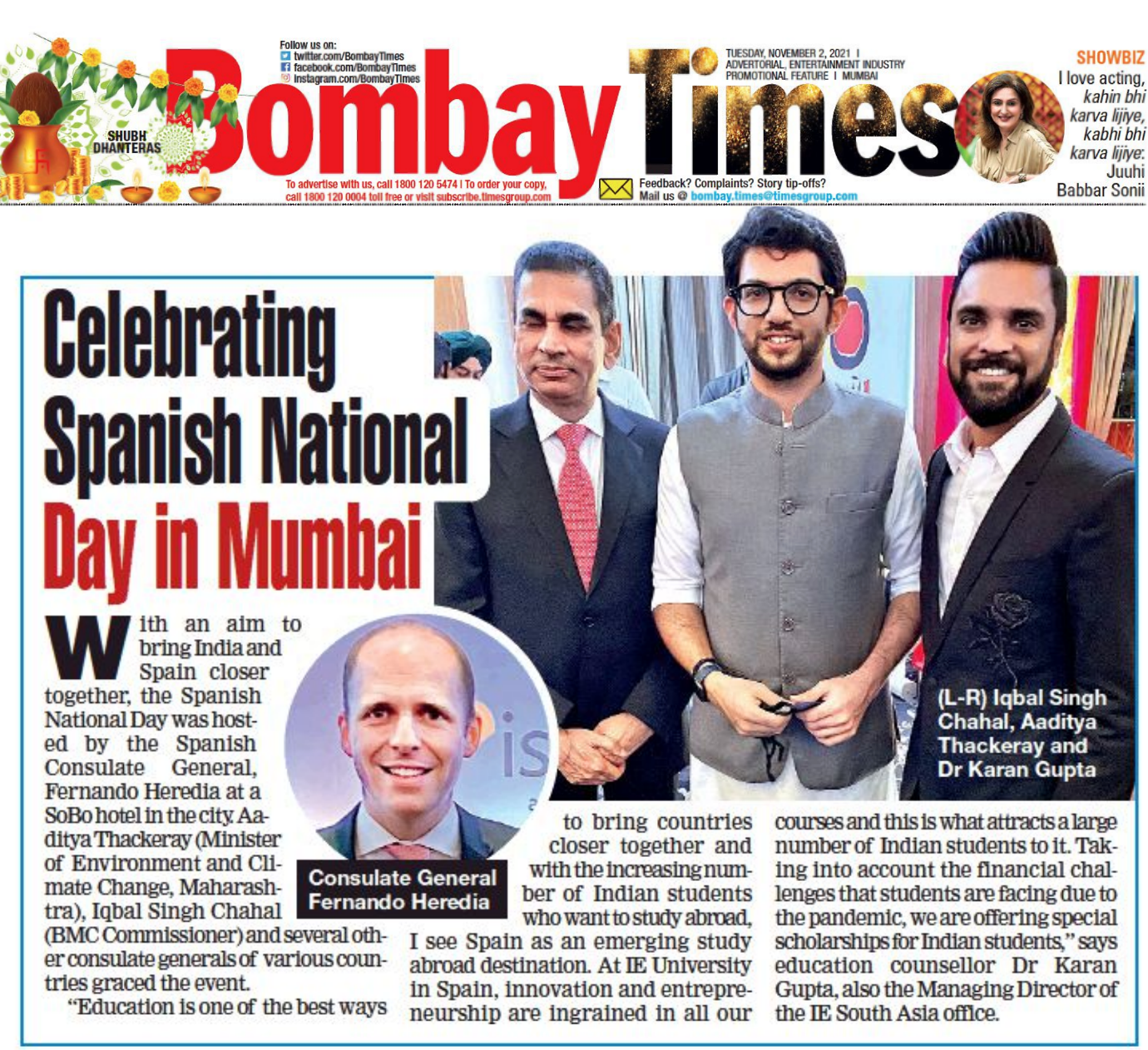
Dr. Karan Gupta speaks to key influencers discussing India and other study abroad destinations

Dr. Karan Gupta's Perspective
Harvard Alumnus · 27 Years · 160,000+ Students
In a recent interaction with key influencers, I had the chance to delve into a subject that's both close to my heart and critical to many families across India: the dynamics of studying abroad versus staying in the country. This media appearance, highlighted in the Bombay Times, underscored a trend I've witnessed over my 27-year career—an increasing craving among Indian students for a global educational experience, juxtaposed with growing opportunities within India itself. This juxtaposition doesn't present a simple choice but rather a nuanced decision-making process that requires careful consideration of multiple factors like long-term goals, personal growth, and financial implications.
Reflecting on my conversation with these influencers, I couldn't help but think about the myriad of students I've guided over the years. Take, for instance, the case of Ananya, a bright Commerce student who aspired to study Economics at a leading UK university. With scholarship considerations and a desire to experience a multicultural environment, her family was ready to invest in her overseas education. But they faced the challenge of contrasting it with the burgeoning opportunities in India, where new-age programs in institutions like Ashoka University and IISc offer degrees that are competitive on a global scale.
What I've seen is that the decision to study abroad isn't merely about acquiring a degree—it's often about the holistic experience, the exposure to a variety of cultural perspectives, and the development of a truly global outlook. On the flip side, staying in India means being close to family, potentially lower educational costs, and the chance to build a professional network early in a burgeoning economy.
From my perspective, what Indian students should do is conduct thorough research on potential destinations. It's crucial to evaluate international opportunities not just on the basis of the popularity of the university but through a lens of career aspirations and employability. Students like Ananya have excelled abroad not because they simply went overseas, but because they chose institutions that fit their academic and personal growth aspirations.
Simultaneously, it's vital to recognize the apparent growth and refinement of Indian educational institutions. With commendable faculty, increased emphasis on research, and collaboration with international entities, many Indian universities now provide platforms that rival those offered abroad. A student aiming for technology and innovation, for example, might find scintillating projects at IITs that can hold their own in the global arena.
In this landscape filled with both promise and confusion, conversations with parents have also shifted. At times, parents express concerns about the safety of sending their children abroad, especially in a post-pandemic world. I reassure them with statistics and real cases of students thriving in international settings, all while emphasizing the emergence of robust, safe learning environments in Indian institutions. Last year, I worked with a student, Raj, who was initially hesitant about leaving for his undergraduate education in Canada due to such worries. His parents and I had long conversations about his passion for AI and the unparalleled resources available at specific Canadian universities as compared to what was currently accessible in India. Raj eventually decided to go, and through consistent communication, his family remained involved, nurturing both his budding career and the foundation of trust and understanding.
So, what actionable steps should students and their families consider in this multifaceted decision? Firstly, I advise a detailed self-assessment—a critical look at both personal and academic goals. Identifying key priorities such as career paths, learning environments, and lifestyle preferences can illuminate the path forward. Students should also engage in discussions with mentors, educators, and past students who have been through the process, extracting both lessons and inspiring takeaways from their stories.
Secondly, the exploration of financial planning is an inevitable step. Both Indian and international education avenues come with their own sets of financial considerations. Scholarships, bursaries, and financial aid are plentiful but require meticulous planning and timely application. Moreover, students should compare the Return on Investment (ROI) of education in different countries and institutions, aligning this with their career goals and personal circumstances.
Lastly, and perhaps most importantly, fostering an open dialogue within the family, addressing concerns, aspirations, and fears, can create a supportive decision-making environment. The decision to study abroad or to stay should be a shared journey, one where both students and parents feel heard and understood.
In closing, what emerged from my meeting with influencers and what continues to shape my counsel to students and parents is the understanding that every family's journey is unique. There is no one-size-fits-all solution in the realm of education—it's a mosaic of personal preferences, career goals, and financial realities. Looking ahead, the dynamic global and local educational landscapes promise continual evolution, opening doors for those who are prepared and informed. My hope is to continue guiding students like Ananya and Raj as they step into their futures, equipped not just with knowledge, but with the confidence of making empowered choices that lead them toward fulfilling careers and enriched lives.
Need Personalized Guidance?
Dr. Karan Gupta has been featured in leading media outlets for his expertise. Book a consultation to get the same trusted advice for your education journey.