Yale University
New Haven, CT
Yale is rigorous academics meets close-knit community. Known for its distinctive residential college system, exceptional strength in humanities, law, and social sciences, and a culture that values intellectual depth over superficial achievement. For Indian students who want Ivy League academics with a genuine campus community, Yale is hard to match.
~4-5%
Acceptance Rate
Top 10
QS World Ranking
14
Residential Colleges
70+
Students Guided
Tuition & Costs
- Undergraduate: ~$64,700/year
- Master's: ~$47,000-$64,000/year
- MBA: ~$120,000+ total (Yale SOM, 2-year)
- Living costs: ~$1,700-$2,200/month
- Total annual budget: ~$85,000-$90,000/year
- Study in USA | Cost Calculator
Scholarships & Funding
- UG: Need-based aid (generous — meets 100% demonstrated need)
- Graduate: Funded positions in many programs
- MBA: Yale SOM merit fellowships
- Explore all scholarships

Dr. Karan Gupta's Strategic View
Why Yale University Is a Strong Choice
The Residential College System
Undergraduate students are assigned to one of 14 residential colleges — smaller communities within the university, each with its own traditions, dining halls, courtyards, and identity. Think of them as your home base: where you eat, socialize, study, and build lifelong friendships. This gives Yale a much more intimate feel than larger Ivies. Students don't just attend Yale — they belong to a college within Yale.
Strong Liberal Arts Foundation
Yale emphasizes critical thinking, writing, discussion, and intellectual exploration. Students are encouraged to explore broadly before declaring a major — Yale calls them “majors,” not “concentrations.” A physics student might take a philosophy seminar. An economics major might study drama. This breadth produces graduates who can think across boundaries — which is precisely what employers and graduate schools value.
Leadership & Public Impact Culture
Yale has produced US presidents, Supreme Court justices, diplomats, Pulitzer Prize winners, and leaders across every sector. The culture emphasizes purpose beyond personal success — service, impact, and contribution. The Jackson School of Global Affairs, Yale Law School, and the School of the Environment all reflect this orientation. If you want to lead and make a difference, Yale's culture nurtures that instinct.
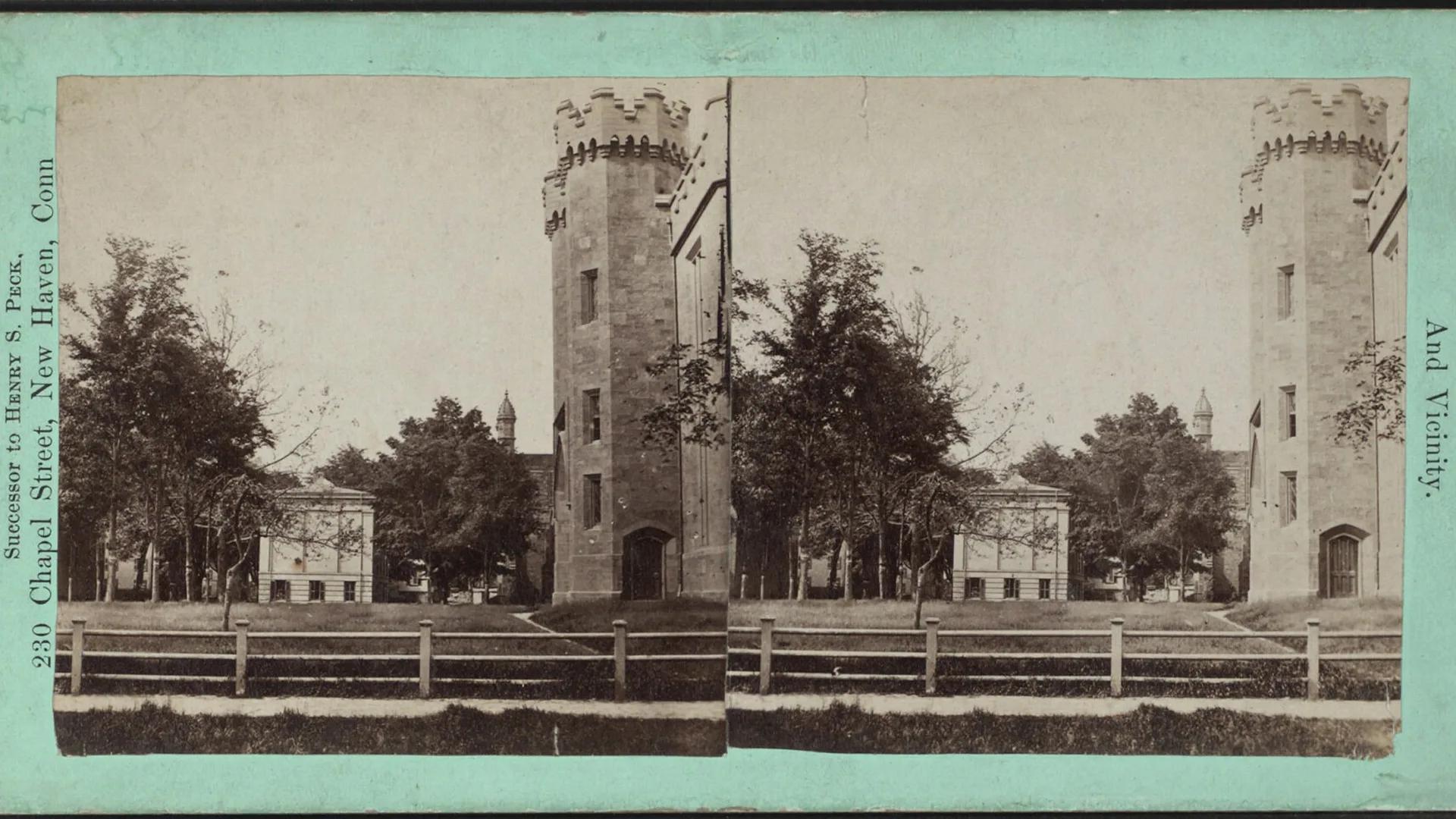
Yale's New Haven Campus
Yale's campus in New Haven, Connecticut, is an architectural masterpiece blending Gothic, Georgian, and modern styles. The 14 residential colleges — each a self-contained community with dining hall, library, courtyard, and resident faculty — form the social heart of Yale life.
Gothic Architecture
Sterling Memorial Library and Harkness Tower define Yale's iconic skyline
14 Residential Colleges
Each with its own Dean, dining hall, traditions, and close-knit community
Beinecke Rare Book Library
Iconic translucent marble library housing a Gutenberg Bible and other treasures
Yale Repertory Theatre
Professional theatre connected to the nation's top drama school
New Haven Culture
Vibrant food scene, museums, and cultural life in a walkable college town
Programs at Yale University
Yale Law School
Among the most selective law schools globally. Produces Supreme Court clerks, federal judges, human rights lawyers, and policy leaders. The ultimate credential in legal academia.
Economics & Political Science
Strong research departments with significant academic influence. Produces leaders in academia, policy, finance, and journalism.
School of the Environment
Globally respected for environmental science, sustainability, and policy. One of the first dedicated environmental schools at any university.
Jackson School of Global Affairs
Yale's newest school, focused on international leadership, diplomacy, and global policy. Strong connections to the UN and international institutions.
Yale School of Drama
Has produced many influential figures in theater, film, and television. The MFA program is highly regarded — Meryl Streep is an alumna.
Yale SOM (MBA)
Mission-driven MBA with integrated curriculum. Strong in consulting, strategy, social impact, and cross-sector leadership. Unique access to all of Yale's graduate schools.
Yale offers 80+ majors across Yale College, plus professional degrees through its 14 schools including Law, Medicine, Management, Drama, Art, Architecture, Music, and Divinity. The distributional requirements ensure breadth, and shopping period lets students try courses before committing.
Admission Requirements
Yale's acceptance rate is approximately 4.3%. Admissions are need-blind for all applicants including international students. Yale uses a holistic review process that values intellectual curiosity, community contribution, and 'something extra' — a distinctive quality that sets each applicant apart.
Yale's admissions team looks for students who will be 'citizens of their residential college.' Show how you'll contribute to community life — not just your academic achievements but how you engage with people and ideas outside the classroom.
Master's Requirements
- Strong undergraduate academic performance
- Clear SOP explaining research or professional direction
- 2-3 recommendation letters
- CV/resume with relevant experience
- Writing samples for some programs
MBA Requirements
- Meaningful work experience (typically 3-7 years)
- Leadership potential with evidence of impact
- Purpose-driven career goals — “business AND society”
- Evidence of collaboration and community contribution
- SOM values mission-driven applicants over purely status-driven ones
Interview Preparation
What to expect and how to prepare for your Yale University interview
Format
One-on-one, blind interview with resume only
Duration
30 minutes
Interviewers
Second-year students, recent alumni, or Admissions Committee members
Interview Style
Behavioral, conversational, question-and-answer format
What Yale University Looks For
Sample Interview Questions
Walk me through your resume. Tell me about the key decisions and transitions you've made.
Don't recite your resume. Instead, tell the story of your career progression. Why each move? What did you learn? This is your chance to frame your own narrative.
What is your post-MBA goal, and how does it connect to your background?
Your goal should feel like a natural next step from your background and interests, not a random pivot. Connect it to something you're passionate about.
Why do you want an MBA, and why now?
Timing matters. Are you at a natural inflection point in your career? What specific skills or network would an MBA give you that you can't get otherwise? Be honest.
Why Yale SOM specifically?
Avoid generic answers. Reference specific Yale strengths: its leadership curriculum, social impact orientation, or specific clubs/programs. Show you've done homework.
Tell me about a time you faced a significant challenge and how you handled it.
Use the CAR method: Context, Action, Result. Focus on your thinking process and what you learned, not just the happy ending.
How would your colleagues describe you?
Give an honest answer. What do people actually come to you for? What would they say is your superpower and your blind spot?
Tell me about a time you worked with someone very different from you. What did you learn?
Show genuine openness to different perspectives. Describe a real situation where differences created value, not just tolerance.
Describe a time when you had to make a decision without complete information.
This assesses your judgment and comfort with ambiguity. Show your decision-making process, not just the outcome.
What about the Yale SOM community excites you?
Talk about the people and culture, not just academics. What kind of peers do you want to learn from?
What is an area where you want to grow, and how will Yale help you develop there?
Be honest about a real gap, but frame it as a growth opportunity. Show that Yale's curriculum or community specifically addresses this.
How will you contribute to the Yale SOM community?
Don't just list clubs. Think about what unique perspective, skill, or energy you'll bring to your cohort.
What does [your submitted quote] mean to you, and how does it guide your work?
This is your chance to reveal something authentic about yourself. Be genuine and personal in your answer.
Preparation Tips
- Your quote assignment is your secret weapon—use it to reveal something authentic about yourself
- Practice your resume walkthrough so thoroughly you can discuss it conversationally, not from memory
- Have 4-5 compelling stories ready (leadership, failure, diversity, ambiguity, teamwork)
- Show Yale you've done specific homework: mention professors, programs, and clubs, not generalities
- Be honest about what you don't know and what you hope to learn at Yale
- Treat the interview like a conversation, not an interrogation—ask questions, show genuine interest
- If interviewed by a student, ask them authentic questions about their experience; they'll remember
Common Mistakes
- Submitting a generic or overly famous quote that doesn't reveal anything personal
- Not preparing enough for the resume walkthrough—fumbling over your own background
- Generic 'why Yale' answers that could apply to any top MBA program
- Claiming leadership experiences you didn't actually drive; interviewers can tell
- Not asking thoughtful questions back—a good interview is a two-way conversation
- Over-preparing to the point of sounding robotic or rehearsed

Dr. Karan Gupta's Interview Advice
Final Expert Advice from Dr. Karan Gupta
Yale SOM interviews are about authenticity and thoughtfulness. The admissions team wants to understand how you think, not how well you can perform. This means you should spend less time memorizing answers and more time understanding your own story, your values, and your genuine interest in Yale's specific approach to business education.
The pre-interview quote is a gift—use it to show something that doesn't appear elsewhere in your application. If you've spent time thinking about what matters to you professionally, that reflection will come through naturally in conversation.
Remember: your interviewer (especially if they're a current student) is also assessing whether they'd want to study alongside you for two years. Be the kind of peer you'd want in your cohort. That combination of intellectual curiosity, genuine interest in others, and orientation toward impact is what makes Yale tick.
What Type of Student Gets In?
Intellectually curious with broad interests across multiple disciplines
Community-oriented and eager to contribute to residential college life
Creative and expressive — drawn to arts, writing, or performance
Articulate communicator who enjoys discussion and debate
Socially aware with interest in public service or social impact
Independent thinker who values depth of thought over surface achievements
Applicants often undersell their personality and community involvement. Yale cares deeply about who you are as a person and how you'll contribute to college life — not just your academic stats. The residential college system means they're choosing future neighbors, not just students.
Costs & ROI
Yale meets 100% of demonstrated financial need for all students, including international students. Families earning under $75,000 with typical assets pay nothing. Over 53% of students receive need-based aid, and the average grant exceeds $60,000 per year.
| Level | Tuition |
|---|---|
| Undergraduate | ~$64,700/year |
| Master's | ~$47,000-$64,000/year |
| MBA | ~$120,000+ total (Yale SOM, 2-year) |
| Living costs | ~$1,700-$2,200/month |
| Total annual budget | ~$85,000-$90,000/year |
Salary Ranges
Career & Industry
McKinsey & Company
One of Yale's top recruiters, particularly from economics and political science.
Goldman Sachs
Major finance recruiter for Yale graduates.
Teach For America
Yale consistently sends one of the highest number of graduates to TFA.
Yale-New Haven Hospital
Connecticut's largest hospital, closely integrated with Yale Medical School.
Bridgewater Associates
World's largest hedge fund, based in Connecticut, recruits from Yale's quantitative programs.
Yale's alumni network is especially influential in law, government, and academia. The USA's OPT/STEM OPT gives graduates up to 3 years of post-study work authorization.
Application Timeline
12-18 Months Before
- Research Yale's residential colleges and unique programs
- Begin standardized test prep — aim for 1530+ SAT or 34+ ACT
- Develop genuine extracurricular depth and leadership
8-12 Months Before
- Take standardized tests
- Request strong recommendation letters
- Visit campus or attend Yale virtual events
4-8 Months Before
- Write Common App essay and Yale supplemental essays
- The 'Why Yale' essay should reference specific programs, colleges, and culture
- Prepare thoughtful short answer responses
Application Deadlines
- Single-Choice Early Action: November 1
- Regular Decision: January 2
- Financial aid deadline: March 1 (CSS Profile + FAFSA/ISFAA)
After Submission
- SCEA decisions: mid-December
- Regular decisions: late March/early April
- Bulldog Days (admitted student visit): April
Pre-Departure
- Apply for F-1 visa with I-20
- Receive residential college assignment in summer
- Attend First-Year Orientation in late August
Yale University vs Peers
Yale vs Harvard
Yale University: Harvard has a stronger global brand and more professional schools. Yale offers a more intimate residential experience and is generally considered stronger in humanities, arts, and law. Harvard leans toward global leadership breadth; Yale leans toward intellectual depth and community.
Other:
Yale vs Princeton
Yale University: Both are residential, academically intense Ivies. Princeton focuses more on research and has no professional schools (no law, business, or medical school). Yale has a broader graduate ecosystem. Princeton's engineering is stronger; Yale's humanities and law are stronger.
Other:
Yale SOM vs Harvard HBS vs LBS
Yale University: Yale SOM is mission-driven (“business AND society”). HBS is the ultimate MBA brand for general management. LBS is strongest for European finance. SOM is ideal for candidates who want business training with a social impact lens.
Other:
Yale University Is Right For...
- Students passionate about arts, humanities, drama, or creative writing
- Those who value a tight-knit residential college community within a research university
- Future lawyers — Yale Law School is consistently ranked #1
- Students seeking a liberal arts education with flexibility to explore widely
- Those who want strong public service and social impact opportunities
Yale University Is Not Right For...
- Students primarily focused on STEM or engineering (MIT, Stanford, and Caltech are stronger)
- Those seeking a big-city metropolitan campus experience
- Students who want direct Silicon Valley tech industry access
- Those who prefer warm weather (New Haven winters are cold)
- Students who prioritize career-oriented professional training over liberal arts breadth
Our Students at Yale University
Arkadeep Bandyopadhyay
Yale University
“Yale was always my dream and KGC made the application process strategic and manageable. The essay guidance was exceptional — they helped me find my authentic voice.”
Yash Goyal
Yale University
“Getting into Yale required a very different approach from other Ivies. KGC understood that Yale values intellectual curiosity and community contribution above all.”
Priyanka Shah
Yale University
“Dr. Karan Gupta's approach to Yale's supplemental essays was transformative. He helped me show genuine intellectual passion, not just achievement.”
Reyansh Jain
Yale University
“Yale SOM was my target for its mission-driven MBA approach. KGC's strategic positioning of my social impact work was key to getting in.”
Watch: Study Abroad Insights

Dr. Karan Gupta's Advice
Yale is often misunderstood as just another Ivy League university. It tends to favor applicants who are fundamentally different from the typical “achievement-oriented” profile that works at other schools.
Dr. Karan Gupta is a Harvard Business School alumnus with 27+ years of experience. Book a consultation to discuss your Yale strategy.
- Yale values intellectual depth and reflection. They want to see genuine curiosity — what do you read, explore, and think about when nobody is grading you? The supplemental essays should reveal how your mind works, not just what you've accomplished.
- Community and collaboration matter deeply. Yale's residential college system is central to its identity. They want students who will contribute to that community — not just achieve individually. Show evidence of lifting others.
- Purpose beyond personal success. Yale's culture emphasizes service, impact, and contribution. Whether you're applying to Yale College, Yale SOM, or Yale Law, showing that you want to use your education to make a difference strengthens your application significantly.
- For SOM MBA specifically: “Educating leaders for business AND society” isn't a slogan — it's a filter. If your goals are purely about money or prestige, Yale SOM is not the right fit. If you want to use business skills to create broader impact, SOM is one of the best MBA programs in the world for that.
FAQs: Yale University for Indian Students
Is Yale harder to get into than Harvard or Stanford?
Does Yale accept CBSE or ISC students?
Do Yale Masters programs require GRE?
Is GMAT required for Yale MBA (SOM)?
Is Yale better for humanities than STEM?
What makes Yale SOM different from other MBA programs?
Related Articles
The ₹0 List: Free Opportunities That Actually Strengthen a Student’s Profile
The best summer opportunities are not always expensive. Discover selective ₹0 programs that can demonstrate genuine student achievement.
Demonstrated Interest in US College Admissions: What Students Need to Know
Demonstrated interest can strengthen US college applications, but only when students know which universities value it and engage genuinely.
IMO Olympiad Explained: The Official Pathway in India
Two exams in India are called IMO. Only one is the official pathway to India's International Mathematical Olympiad team.
Explore More
Related Guides & Resources
Want to Study at Yale University?
Get expert guidance from Dr. Karan Gupta: Harvard alumnus, 27+ years of global admissions experience guiding 160,000+ students worldwide.