How to Ace Your Oxbridge Interview: What Really Matters

Dr. Karan Gupta is a Harvard Business School alumnus and career counsellor with 27+ years of experience and 160,000+ students guided. His insights on Study Abroad come from decades of hands-on experience helping students achieve their goals.
Every year, students panic about their Oxford and Cambridge interviews. They obsess over how much content they know, how many textbooks they've read, or whether they've memorised the "right" facts.
But Oxbridge isn't trying to test your memory.
They're testing your mind.
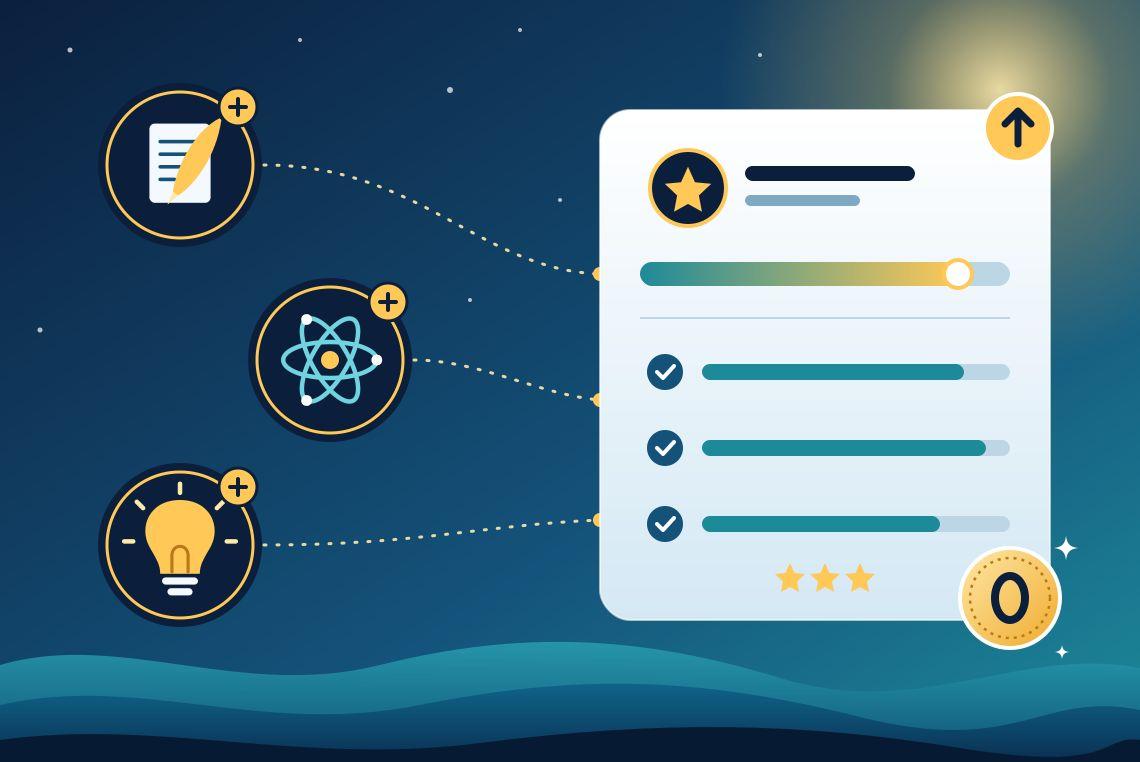
What Oxbridge Interviews Actually Evaluate
1. Thinking Process — Not Final Answers
Tutors want to see how you think, not just what you know.
Free Tool
AI Interview Prep
Practise real admission-interview questions with AI feedback.
Try it free →They give you unfamiliar problems deliberately — to watch your brain at work.
2. Intellectual Curiosity
Do you ask good questions? Do you push back thoughtfully? Do you explore ideas — or shut down when you're uncertain?
3. Coachability
How do you respond to hints? Do you adapt when challenged? Can you learn in real-time?
4. Subject Fit
Are you genuinely passionate about your subject — or just interested in getting in?
What Most Students Get Wrong
Mistake 1: Memorising Content Instead of Practising Thinking
You can't prepare for Oxbridge by reading more textbooks. You prepare by practising problem-solving under pressure.
Mistake 2: Being Defensive When Challenged
Tutors push back on your answers — not to trick you, but to test how you engage with challenge. Stay open.
Mistake 3: Not Showing Curiosity
If you only answer what's asked — without exploring further — you miss the point.
How to Prepare Effectively
1. Practise Thinking Out Loud
Oxbridge tutors care about process. Get used to verbalising your reasoning.
2. Do Mock Interviews
Find someone who can challenge you — a teacher, a tutor, or a friend who knows your subject.
3. Read Beyond Your Syllabus
Interviewers often ask about ideas outside the curriculum. Broader reading signals intellectual curiosity.
4. Stay Calm Under Pressure
Pausing to think is fine. Silence is better than panic.
FAQs
How long are Oxbridge interviews?
Typically 20–30 minutes per interview.
What questions do they ask?
Usually subject-specific problems — designed to make you think.
Can I prepare answers in advance?
Not really. Preparation means training your thinking, not memorising answers.
What if I get an answer wrong?
It's okay. Tutors care more about how you recover and adapt.
Final Word
Oxbridge interviews are not about knowing everything.
They're about showing how you think.
If you can stay curious, stay calm, and think clearly under pressure — you're ready.
Explore Related Resources & Tools
Free tools and expert services from Karan Gupta Consulting
Why Choose Karan Gupta Consulting?
- 27+ years of expertise in overseas education consulting
- 160,000+ students successfully counselled
- Personal guidance from Dr. Karan Gupta, Harvard Business School alumnus
- Licensed MBTI® and Strong® career assessment practitioner
- End-to-end support from career clarity to visa approval
SHARE THIS ARTICLE

Dr. Karan Gupta
Founder & Chief Education Consultant
Harvard Business School alumnus and India's leading career counsellor with 27+ years guiding 160,000+ students to top universities worldwide. Licensed MBTI® practitioner. Managing Director of IE University (India & South Asia).