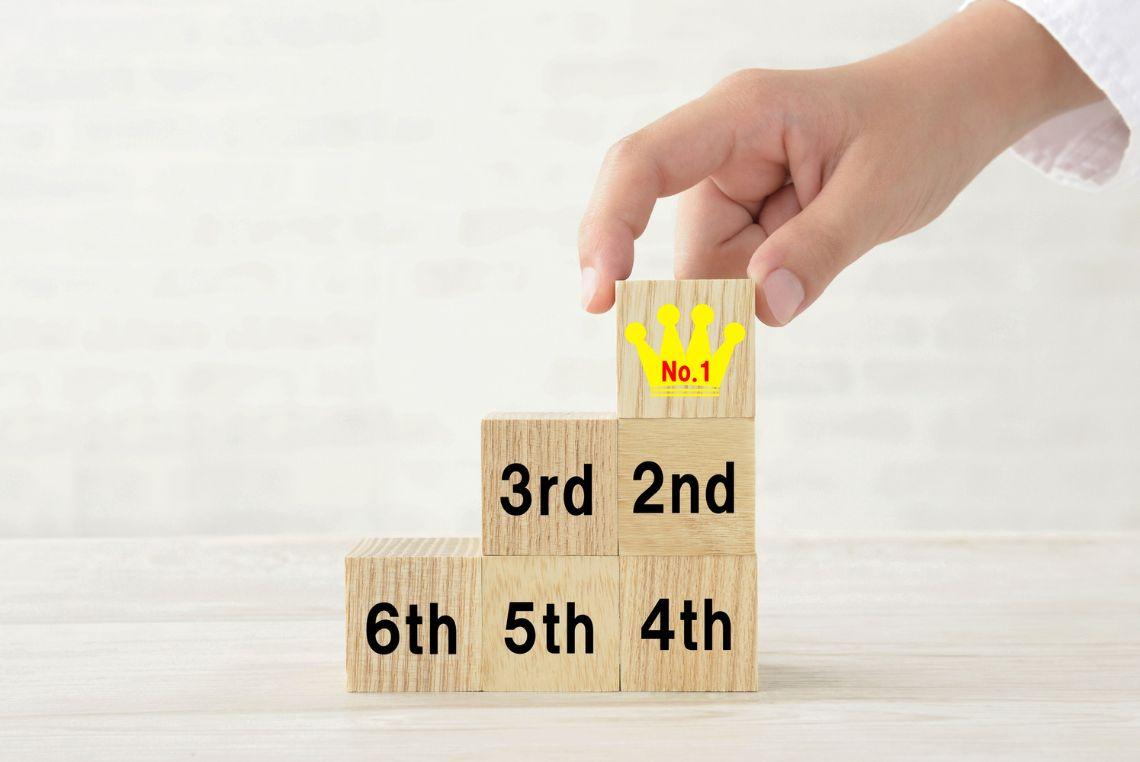
Official 2026 College Rankings Are Out Based on U.S. News — Here’s What They Actually Mean for You

Dr. Karan Gupta is a Harvard Business School alumnus and career counsellor with 27+ years of experience and 160,000+ students guided. His insights on Undergraduate come from decades of hands-on experience helping students achieve their goals.
Every year, the release of the U.S. News & World Report college rankings triggers the same reaction.
Students panic. Parents compare. WhatsApp groups explode. Acceptance letters suddenly feel “more” or “less” valuable.
Now, with the official 2026 college rankings out based on U.S. News, the cycle has started again.
But before you start ranking yourself based on a list, let’s pause and talk honestly.
Free Tool
University Predictor
Find out which universities you can realistically get into.
Try it free →Because rankings are not useless—but they are frequently misunderstood.
This article will break down:
What the 2026 U.S. News college rankings actually measure
What they do not tell you (and never will)
How students, parents, and working professionals should use rankings intelligently
Why do two students at the same college end up with completely different outcomes
How to make better admissions decisions beyond the rankings
If you’re applying to US colleges—or advising someone who is—this context matters more than the rank number itself.
What Are the 2026 U.S. News College Rankings?
The U.S. News college rankings are an annual evaluation of American universities based on a standardised methodology developed by U.S. News & World Report.
For 2026, the rankings continue to focus on institution-level performance, not individual student experience.
At a high level, the rankings aim to answer this question:
How well does a college deliver measurable academic and graduation outcomes compared to other US colleges?
They are designed to compare institutions, not to predict individual success.
That distinction matters.
How U.S. News Ranks US Colleges in 2026
Key Factors Used in the 2026 Rankings
The 2026 methodology places weight on several core areas:
1. Academic Reputation
Derived from peer assessments by presidents, provosts, and admissions leaders at other universities.
This reflects:
Long-term brand credibility
Research output
Faculty recognition
It does not reflect classroom teaching quality for undergraduates.
2. Faculty Resources
This includes:
Class sizes
Faculty salaries
Percentage of professors with terminal degrees
Student–faculty ratio
Colleges that spend more on instruction tend to score higher—this favours well-funded private institutions and elite public universities.
3. Graduation and Retention Outcomes
U.S. News tracks:
First-year retention rates
Six-year graduation rates
Performance compared to predicted graduation outcomes
This is one of the most meaningful components, but it still operates at an aggregate level.
4. Financial Resources per Student
How much a college spends per student on:
Instruction
Academic support
Student services
Higher spending ≠ better experience for every student, but it does signal institutional capacity.
5. Student Selectivity (Reduced Weight, Still Present)
While standardised testing has been de-emphasised, selectivity still plays a role through:
Acceptance rates
High school performance
This keeps elite colleges clustered at the top.
What the 2026 College Rankings Are Actually Good For
Let’s be clear: rankings are not meaningless.
Used correctly, they can provide valuable macro-level insights.
Rankings Help You Understand:
1. Academic Reputation at a High Level
A consistently high-ranked college usually has:
Strong research output
Recognized faculty
Well-established academic departments
This can matter for:
Graduate school admissions
Research-heavy careers
International recognition
2. Faculty and Institutional Resources
Rankings reveal which US colleges:
Invest heavily in teaching infrastructure
Maintain lower class sizes
Support faculty development
This affects the availability of opportunity—even if it doesn’t guarantee access.
3. Graduation Outcomes and Stability
Colleges that consistently graduate students on time tend to have:
Better advising systems
Academic safety nets
Institutional accountability
That’s useful information, especially for parents.
4. Broad Comparisons Across US Colleges
Rankings are effective for:
Comparing national universities vs liberal arts colleges
Understanding how public flagships differ from private institutions
Creating an initial shortlist
Think of rankings as a map, not a destination.
What the 2026 U.S. News Rankings Do Not Tell You
This is where most applicants get it wrong.
Rankings Do NOT Tell You:
1. Whether You’ll Be Happy There
Happiness depends on:
Campus culture
Social environment
Teaching style
Support systems
None of this appears in rankings.
2. How Supported You’ll Feel Academically or Emotionally
Two students in the same classroom can experience:
Completely different faculty engagement
Very different advising outcomes
Unequal access to mentorship
Rankings don’t capture this.
3. How Much Debt Will You Graduate With
A higher-ranked college does not automatically mean:
Better financial aid
Lower debt
Higher ROI for your major
Net cost matters more than rank.
4. Whether the School Fits Your Goals
Rankings don’t account for:
Your intended major
Career outcomes by department
Internship pipelines
Industry connections
A #40-ranked college with a top engineering co-op program may outperform a #10-ranked school for you.
Why Rankings Create False Pressure
When rankings drop, students start asking the wrong questions:
“Is my college still good enough?”
“Should I reapply next year?”
“Is a #25 school worse than a #15 school?”
This thinking assumes:
Rankings are precise (they’re not)
Differences are meaningful (often marginal)
Outcomes are uniform (they never are)
In reality, rankings compress very different institutions into a single number.
Same College, Completely Different Outcomes: Why This Happens
Two students can attend the same US college—and graduate into wildly different futures.
Why?
1. Major Choice
Outcomes vary drastically by department.
Examples:
Computer Science vs General Studies
Economics vs Biology
Design vs Mechanical Engineering
Rankings are institution-wide, not major-specific.
2. Internships and Experiential Learning
Students who actively pursue:
Internships
Research assistantships
On-campus jobs
Industry projects
Graduate with stronger resumes—regardless of rank.
3. Support Systems
Mentors matter.
Students who build relationships with:
Professors
Career advisors
Alumni
Consistently outperform peers who don’t—at the same college.
4. How Opportunities Are Used
Elite colleges offer access, not guarantees.
Success depends on:
Initiative
Self-awareness
Strategic decision-making
Rankings don’t measure effort.
How Students Should Use the 2026 College Rankings Smartly
If you’re applying now, here’s the right framework.
Step 1: Use Rankings as a Starting Point
Create a broad list, not a final one.
Rankings help you discover:
Colleges you hadn’t considered
Strong public universities
Liberal arts colleges with high outcomes
Step 2: Ask Better Questions
Instead of “Is this college ranked high?”, ask:
Where do students in my major end up working?
What percentage get internships by second year?
How accessible are professors?
What support exists for international students or first-generation applicants?
Step 3: Evaluate Fit, Not Just Prestige
Look at:
Campus size
Teaching style
Urban vs suburban setting
Academic pressure
Peer culture
Fit determines performance more than brand.
Step 4: Compare ROI, Not Rank
Especially for parents and working professionals advising students:
Compare net cost
Salary outcomes by major
Alumni networks in target industries
A lower-ranked college with strong outcomes can be the smarter investment.
Guidance for Parents Reading the 2026 Rankings
Parents often see rankings as risk management tools.
That’s understandable—but incomplete.
Better questions to ask:
Will my child be supported academically and emotionally?
Does this college graduate arrive on time?
Are career outcomes transparent?
Is the debt justified by realistic outcomes?
Rankings don’t replace due diligence.
Guidance for Working Professionals and Career Switchers
If you’re considering further education:
Rankings matter less than program outcomes
Industry alignment beats institutional rank
Alumni networks in your field matter more than overall prestige
Professional success depends on relevance, not reputation alone.
FAQs
Are the 2026 U.S. News college rankings reliable?
They are reliable for institution-level comparisons, but not for predicting individual student success.
Should I choose a college based only on rankings?
No. Rankings should be one data point among many, including fit, cost, major strength, and outcomes.
Do employers care about U.S. News rankings?
Most employers care more about skills, internships, and experience than precise ranking positions.
Why do rankings change every year?
Methodology updates, data revisions, and small metric shifts can significantly alter positions—even when colleges themselves haven’t changed much.
Are top-ranked US colleges always better for international students?
Not necessarily. Support systems, visa guidance, career services, and alumni networks matter more.
Final Thought: Rankings Are a Tool, Not a Verdict
The 2026 U.S. News college rankings offer perspective—not prophecy.
They can help you understand:
Academic reputation
Institutional resources
Broad graduation outcomes
But they cannot tell you:
Where you’ll grow
Where you’ll thrive
Where you’ll succeed
College success is fit plus effort over time.
If you’re navigating admissions right now, use rankings wisely—then zoom out and ask better questions.
That’s how smart decisions are made.
160 Character Excerpt:
Official 2026 U.S. News college rankings are out. Here’s what they really measure, what they miss, and how to use them wisely when choosing a college.
Explore Related Resources & Tools
Free tools and expert services from Karan Gupta Consulting
Why Choose Karan Gupta Consulting?
- 27+ years of expertise in overseas education consulting
- 160,000+ students successfully counselled
- Personal guidance from Dr. Karan Gupta, Harvard Business School alumnus
- Licensed MBTI® and Strong® career assessment practitioner
- End-to-end support from career clarity to visa approval
SHARE THIS ARTICLE

Dr. Karan Gupta
Founder & Chief Education Consultant
Harvard Business School alumnus and India's leading career counsellor with 27+ years guiding 160,000+ students to top universities worldwide. Licensed MBTI® practitioner. Managing Director of IE University (India & South Asia).